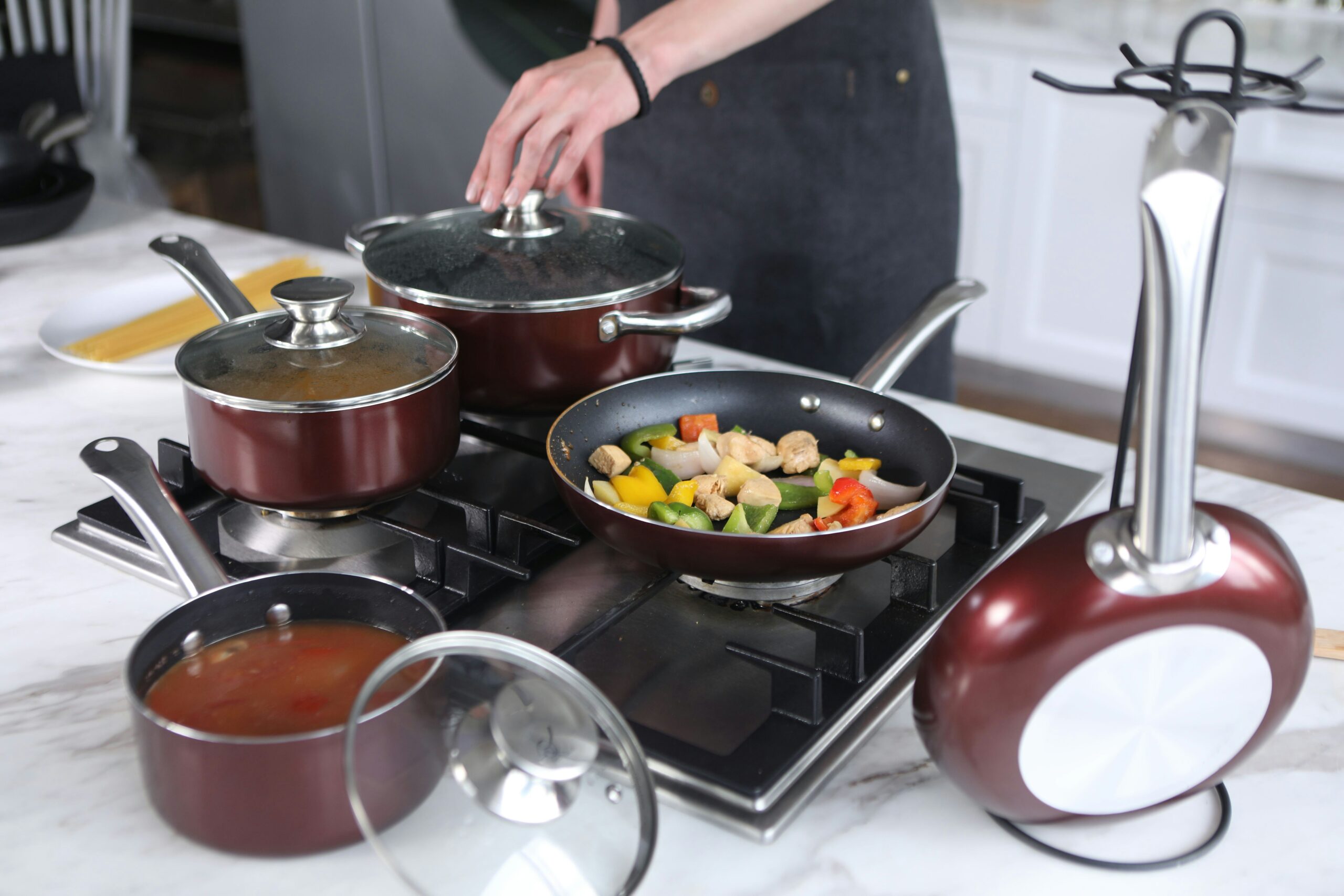
Transforming your favorite recipes into healthier versions doesn’t mean you’ll be eating bland, boring food. The secret lies in understanding smart substitutions, cooking techniques, and flavor-building strategies that actually enhance taste while cutting unnecessary calories, fats, and processed ingredients.
Why Most “Healthy” Recipes Fall Flat?
The biggest mistake people make when trying to cook healthier is removing fat, salt, and sugar without replacing the flavor and satisfaction these ingredients provide. Fat carries flavor, salt enhances it, and sugar balances acidity and bitterness. Simply eliminating them leaves you with disappointing meals you won’t want to eat again.
The solution is learning which substitutions work and which don’t, plus mastering techniques that build deep flavor without relying on excessive amounts of butter, oil, or sodium.
Smart Ingredient Swaps That Actually Work
Dairy and Fat Replacements
Greek yogurt is your secret weapon for creamy dishes. Use it in place of sour cream, mayonnaise, or heavy cream in most recipes. It provides protein, probiotics, and that rich texture you’re craving with significantly fewer calories.
For baking, unsweetened applesauce can replace up to half the oil or butter in most recipes. This works especially well in muffins, quick breads, and brownies. The pectin in applesauce provides moisture and helps bind ingredients together.
Mashed avocado substitutes beautifully for butter in baking at a 1:1 ratio. It adds healthy monounsaturated fats and creates incredibly moist baked goods with a subtle, pleasant flavor that doesn’t overpower chocolate or spices.
Flour and Grain Alternatives
White flour isn’t inherently evil, but swapping half of it for whole wheat pastry flour adds fiber and nutrients without making your baked goods dense or heavy. Whole wheat pastry flour is finely ground, so it behaves more like all-purpose flour than regular whole wheat.
Cauliflower rice has earned its popularity for good reason. It cuts carbs dramatically while adding vegetables to your meal. The trick is cooking it properly—sauté it in a hot pan with minimal oil until slightly golden, not steamed until mushy.
Spiralized vegetables create satisfying “noodles” from zucchini, sweet potatoes, or butternut squash. The key is not overcooking them. A quick sauté for 2-3 minutes keeps them al dente with a satisfying bite.
Sugar Reduction Strategies
You can typically reduce sugar by one-third in most recipes without noticing a difference. Your taste buds adjust quickly to less sweetness, and you’ll start appreciating the natural flavors of other ingredients more.
Dates provide natural sweetness plus fiber. Blend them into smoothies, energy balls, or use date paste as a substitute for refined sugar in many recipes. Eight dates blended with warm water create a thick paste that works in most applications.
Vanilla extract, cinnamon, nutmeg, and cardamom all create the perception of sweetness without adding sugar. Double the vanilla in your recipe and add warm spices to trick your brain into thinking something is sweeter than it actually is.
Cooking Techniques That Maximize Flavor
Building Depth Without Excessive Fat
Start with aromatics. Onions, garlic, ginger, celery, and carrots form the flavor base of countless dishes. Sauté them in a small amount of oil until caramelized and sweet—this creates complex flavors that carry through the entire dish.
Roasting vegetables concentrates their natural sugars and creates caramelization. Toss them with just enough oil to coat lightly, spread them in a single layer, and roast at 425°F until golden brown with crispy edges.
Dry-toasting spices in a pan for 30-60 seconds before adding other ingredients releases their essential oils and intensifies their flavor dramatically. This works with cumin, coriander, fennel seeds, and most whole spices.
The Power of Acid and Umami
A squeeze of lemon or a splash of vinegar at the end of cooking brightens flavors and reduces the need for salt. Acid balances richness and makes other flavors pop on your palate.
Umami-rich ingredients create savory depth that satisfies without extra calories. Mushrooms, tomato paste, soy sauce, miso, nutritional yeast, and anchovies all pack a serious umami punch. Even a small amount transforms a dish from flat to complex.
Smart Oil Usage
You don’t need to eliminate oil. Use it strategically where it matters most. A drizzle of high-quality olive oil on finished vegetables or soup adds tremendous flavor and helps your body absorb fat-soluble vitamins.
Invest in an oil mister or spray bottle. You’ll use 90% less oil when coating pans or vegetables compared to pouring it directly. This single tool can save hundreds of calories per meal.
Protein Preparation for Maximum Taste
Meat and Poultry
Marinades add flavor without calories. Combine acid (citrus juice or vinegar), aromatics (garlic, herbs), and a small amount of oil. The acid tenderizes while the aromatics penetrate the meat.
Remove skin from chicken after cooking rather than before. The skin protects the meat from drying out during cooking, keeping it juicy. Discard it before eating, and you’ve saved significant fat and calories.
Ground turkey or chicken often tastes bland because it’s so lean. Add finely diced mushrooms to the mix—they provide moisture, meaty texture, and umami that make lean ground poultry taste rich and satisfying.
Plant-Based Proteins
Properly season your beans and legumes while they cook, not after. Add aromatics, bay leaves, and spices to the cooking liquid. They’ll absorb flavors and taste delicious without needing heavy sauces later.
Press and marinate tofu before cooking. Pressing removes excess water, allowing marinades to penetrate. Then bake, pan-fry, or air-fry until golden and crispy on the outside.
Recipe Modification Strategy
Start by identifying the recipe’s purpose. Is the butter in your pasta dish for flavor or creaminess? Is the sugar in your sauce for sweetness or caramelization? Understanding why an ingredient exists helps you find appropriate substitutions.
Make one change at a time when modifying beloved recipes. Changing everything simultaneously makes it impossible to know what works and what doesn’t. Test single substitutions until you’ve transformed the recipe completely.
Expect a learning curve. Your first attempt at a healthier version might not be perfect. Keep notes on what works and what needs adjustment. Most recipes need 2-3 tries to nail the right balance.
Flavor Boosters That Add No Calories
Fresh herbs transform ordinary dishes into restaurant-quality meals. Add hardy herbs like rosemary, thyme, and oregano early in cooking. Stir in delicate herbs like basil, cilantro, and parsley just before serving.
Citrus zest packs more flavor than juice with zero calories. The oils in the colored part of the peel are intensely aromatic. Grate lemon, lime, or orange zest directly into dishes for bright, fresh flavor.
Quality salt makes a difference. Using flaky sea salt or kosher salt as a finishing touch means you can use less overall while getting more impact. The larger crystals provide satisfying texture and concentrated bursts of saltiness.
Hot sauce, mustard, and horseradish add excitement with almost no calories. These condiments stimulate your taste buds and make you feel satisfied with smaller portions of rich foods.
Common Mistakes to Avoid
Don’t try to make everything fat-free. Your body needs dietary fat to function, absorb vitamins, and feel satisfied. Focus on using healthy fats in appropriate amounts rather than eliminating them.
Avoid artificial sweeteners in home cooking. They don’t behave like sugar in recipes and often leave an unpleasant aftertaste. If you’re reducing sugar, actually reduce it rather than replacing it with chemical substitutes.
Stop overcooking vegetables. Mushy, gray vegetables taste terrible and make healthy eating feel like punishment. Cook vegetables until just tender with some bite remaining. They should be vibrant in color and appealing in texture.
Putting It All Together
The healthiest approach to cooking involves real, whole ingredients prepared in ways that maximize their natural flavors. This means more time chopping vegetables and toasting spices, but less time feeling deprived or unsatisfied.
Stock your pantry with flavor-building essentials: quality olive oil, various vinegars, dried herbs and spices, miso paste, tomato paste, anchovies, and hot sauce. These ingredients let you create depth and complexity in any dish.
Practice mise en place—having all ingredients prepped before you start cooking. This prevents the temptation to reach for processed shortcuts when you’re hungry and impatient.
Taste as you cook and adjust seasonings gradually. Developing your palate helps you understand how flavors balance and build, making you a more intuitive cook who can make any recipe healthier while keeping it delicious.