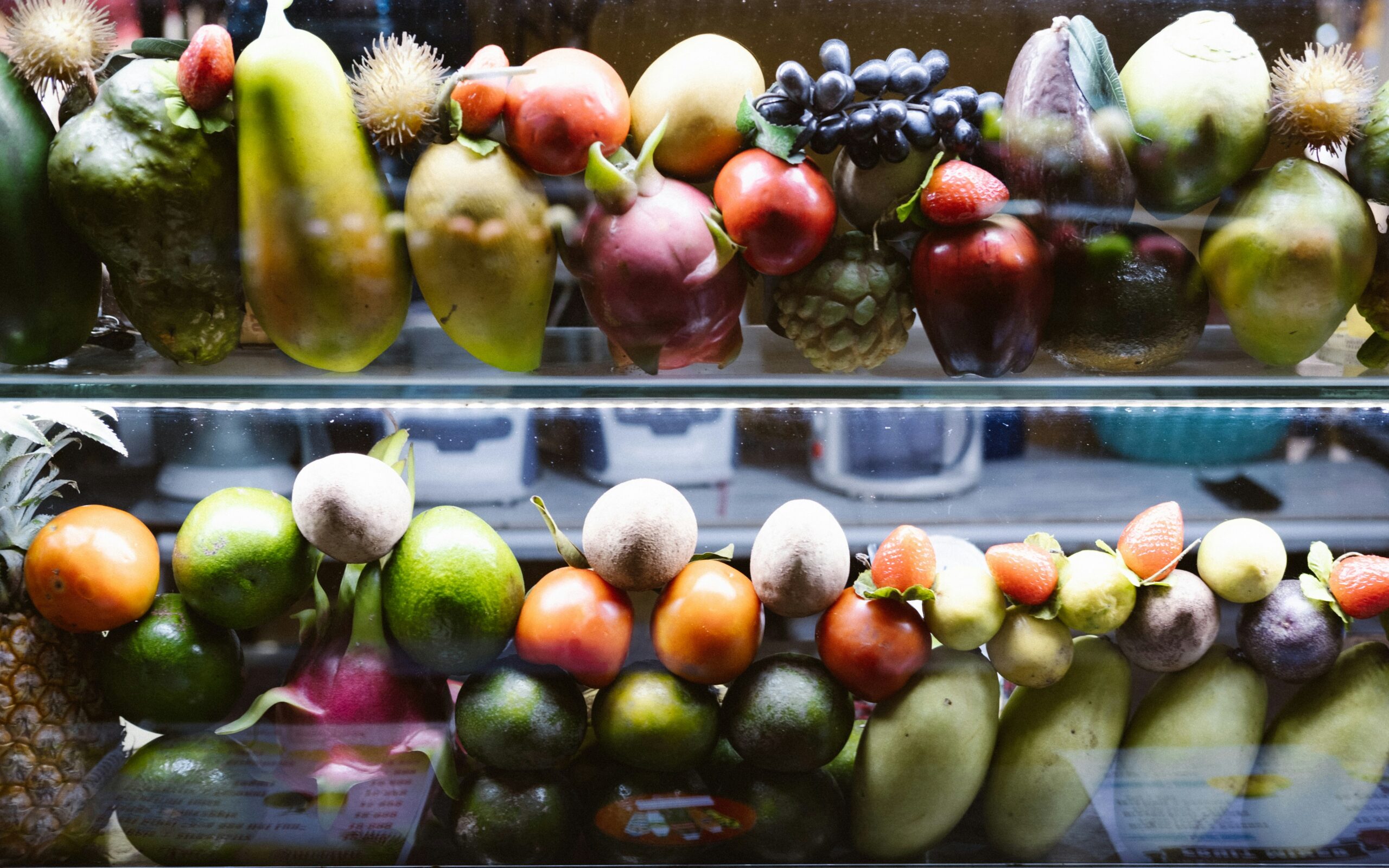
Your refrigerator’s crisper drawer isn’t doing what you think it’s doing. Most of us toss all our produce into the fridge and hope for the best, only to find mushy tomatoes, wilted lettuce, and moldy berries a few days later.
The average American household throws away roughly $1,500 worth of food every year, and produce accounts for a massive chunk of that waste. But here’s the thing—most of this waste is completely preventable once you understand how different fruits and vegetables actually want to be stored.
Why Does Your Produce Spoil So Fast?
Fruits and vegetables are still alive after harvest. They’re breathing, releasing gases, and responding to their environment. When you store them incorrectly, you’re basically suffocating them or speeding up their decay process.
Ethylene gas is the main culprit. Some produce items release this natural ripening hormone, which causes nearby fruits and vegetables to ripen (and rot) faster. Bananas are ethylene bombs; leave them next to your apples, and everything goes south quickly.
Temperature and humidity matter just as much. Tropical fruits hate the cold. Leafy greens need moisture. Root vegetables want it cool and dry. Get these factors wrong, and you’re watching your money turn to mush.
The Counter vs. Fridge Decision
This is where most people mess up. Not everything belongs in the refrigerator.
Keep these on your counter:
Tomatoes lose their flavor and turn mealy in the fridge. Store them stem-side down at room temperature. Once they’re fully ripe, you can refrigerate them if needed, but eat them within a couple of days.
Potatoes, onions, and garlic need cool, dark, dry storage—but not refrigerator cold. A pantry or cupboard works perfectly. Never store potatoes and onions together; they make each other spoil faster.
Bananas should stay on the counter. If they’re ripening too fast, separate them from the bunch. Want to slow down ripening? Wrap the stems in plastic wrap.
Avocados ripen on the counter. Once they’re ripe (they’ll give slightly when squeezed), move them to the fridge to pause the process.
Stone fruits like peaches, plums, and nectarines need to ripen on the counter first. They’ll never get sweeter in the fridge.
These need refrigeration:
Berries are fragile. Don’t wash them until you’re ready to eat them—moisture promotes mold. Store them in a single layer if possible.
Leafy greens and herbs (except basil) belong in the fridge. Wash and dry them thoroughly, then store them wrapped in paper towels inside a container or bag.
Broccoli, cauliflower, Brussels sprouts, and other cruciferous vegetables need the cold. Keep them in the crisper drawer in perforated bags.
Carrots, celery, and radishes stay crisp in the fridge. Remove any greens first—they suck moisture from the roots.
Grapes, cherries, and citrus fruits last longer when refrigerated.
The Ethylene Problem (And How to Solve It)
Some produce items are ethylene producers, and others are extremely sensitive to it. Keeping them separate is non-negotiable if you want your food to last.
High ethylene producers: Apples, apricots, avocados, bananas, cantaloupe, kiwis, peaches, pears, plums, and tomatoes.
Ethylene-sensitive items: Berries, broccoli, Brussels sprouts, cabbage, carrots, cauliflower, cucumbers, eggplant, lettuce, peppers, and squash.
Store these two groups away from each other. If you’re ripening something intentionally (like a hard avocado), stick it in a paper bag with a banana. The concentrated ethylene gas will speed things up.
Smart Refrigerator Organization
Your fridge has different temperature zones, and using them correctly extends produce life significantly.
The back of the fridge is the coldest. Store delicate items like berries here, but not so far back that they freeze.
The door is the warmest spot. Never store milk here (despite what the fridge designers think), but it’s fine for condiments and items that don’t need extreme cold.
Crisper drawers have humidity controls for a reason. One drawer should be high-humidity for leafy greens and herbs. The other should be low-humidity for fruits and vegetables that like airflow.
Specific Storage Strategies That Actually Work
Asparagus: Treat it like flowers. Trim the ends, stand the spears upright in a glass with an inch of water, and loosely cover with a plastic bag. Refrigerate.
Basil: Never refrigerate. Keep it on the counter in a glass of water like a bouquet.
Bell peppers: Store unwashed in the crisper drawer. They’ll last 1-2 weeks.
Berries: The vinegar bath trick works. Mix 1 part white vinegar with 3 parts water, soak berries for a few minutes, rinse thoroughly, and dry completely before refrigerating. This kills mold spores.
Celery: Wrap tightly in aluminum foil and refrigerate. It’ll stay crisp for weeks.
Corn: Leave it in the husks and refrigerate. The sugars start converting to starch immediately after harvest, so eat it quickly.
Cucumbers: They’re cold-sensitive but don’t last long at room temperature. Store them in the warmest part of your fridge (the door or top shelf) and eat within 3-4 days.
Ginger: Store unpeeled in the freezer. Grate it while frozen—it’s actually easier.
Green onions: Regrow them. Place the white roots in a glass of water on a sunny windowsill. Change the water every few days.
Lemons and limes: They last weeks longer in the fridge than on the counter. Store them in a sealed bag.
Lettuce: Wash, dry completely, wrap in paper towels, and store in a container. Change the paper towels when they get damp.
Mushrooms: Keep them in a paper bag in the fridge, never plastic. Don’t wash them until you’re ready to cook.
Zucchini and summer squash: Store in a perforated plastic bag in the crisper. They get slimy fast, so check them often.
What About Pre-Cut Produce?
Those convenience packs are already compromised. The cutting process damages cell walls and speeds up deterioration. If you’re buying pre-cut produce, plan to use it within 2-3 days maximum.
Making your own pre-cut produce is smarter. Chop vegetables on Sunday for the week, store them in airtight containers with damp paper towels, and you’ll save money while keeping things fresh.
Freezing as a Storage Strategy
Your freezer is an underused tool for preventing produce waste. Most fruits freeze beautifully. Wash, dry, and spread them on a baking sheet to freeze individually before transferring to bags. This prevents clumping.
Vegetables need blanching first—briefly boiling, then plunging into ice water. This stops enzyme activity that causes freezer burn and quality loss.
Bell peppers, onions, and mushrooms can be chopped and frozen raw. They’ll be softer when thawed, but work perfectly in cooked dishes.
Overripe bananas? Peel and freeze them for smoothies.
Signs Your Storage System Is Working
Your produce should last at least this long with proper storage:
- Leafy greens: 5-7 days.
- Berries: 5-7 days.
- Citrus fruits: 2-4 weeks.
- Apples: 3-4 weeks (refrigerated).
- Carrots: 3-4 weeks.
- Potatoes: Several weeks.
- Onions: 1-2 months.
If you’re not hitting these numbers, adjust your storage methods. Pay attention to what’s spoiling first and troubleshoot from there.
The Real Cost of Getting This Right
Let’s do the math. If you’re currently throwing away $100 worth of produce monthly, that’s $1,200 yearly. Proper storage requires zero special equipment—just knowledge and slight habit changes.
Even cutting your waste in half saves $600 annually. That’s a vacation, an emergency fund boost, or simply less stress about money going into the trash.
The bigger win is actually eating the produce you buy. More vegetables in your diet, less guilt about waste, and meals that actually use the ingredients you shopped for.
Common Mistakes to Stop Making Today
Washing everything immediately after shopping seems helpful, but actually promotes rot. Moisture is the enemy. Only wash produce right before you eat it.
Leaving produce in plastic grocery bags suffocates it. Those bags trap moisture and block airflow. Transfer everything to proper storage as soon as you get home.
Ignoring the “first in, first out” rule guarantees waste. Put new produce behind older items, so you use the older stuff first.
Storing everything together ignores ethylene sensitivity and creates a rot domino effect.
The Bottom Line
Proper produce storage isn’t complicated—it just requires breaking some bad habits and understanding basic biology. Fruits and vegetables are living things with specific needs. Meet those needs, and they’ll reward you by lasting longer and tasting better.
Start with one change. That could be separating your bananas from everything else, or finally using your crisper drawers correctly. Build from there.