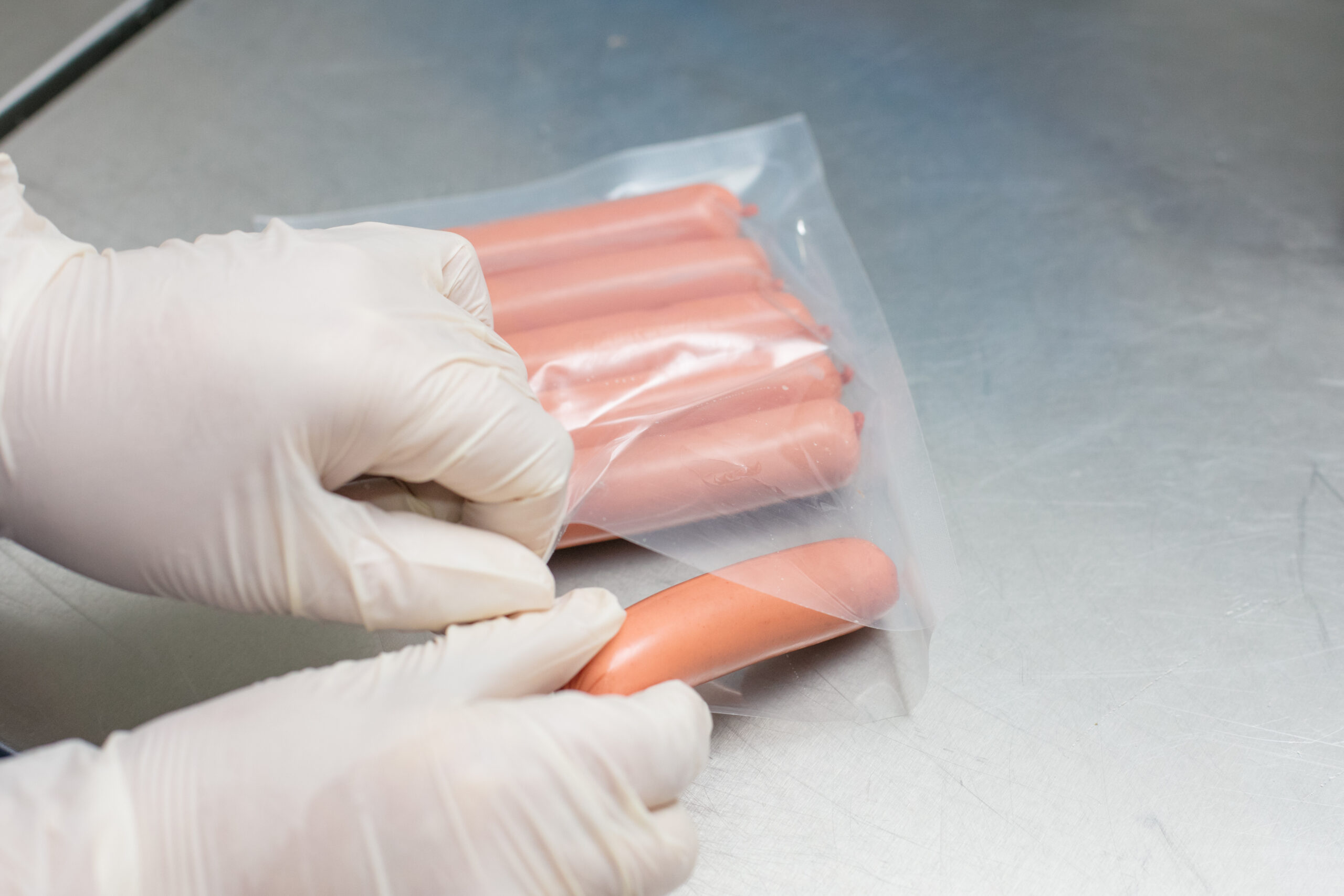
Food waste costs the average American household around $1,500 annually. That’s money literally rotting in your refrigerator. A vacuum sealer can cut that waste significantly while extending the life of your groceries by 3-5 times compared to traditional storage methods.
But does investing in a vacuum sealer actually pay off? Let’s break down the real numbers and find the best options for your needs.
The Financial Reality of Vacuum Sealing
A quality vacuum sealer costs between $80-$300. That seems steep until you calculate how much food you’re currently throwing away.
Consider this scenario: A family of four typically wastes about 30% of the food they buy. If you spend $800 monthly on groceries, you’re tossing roughly $240 worth of food each month. By vacuum sealing and properly storing your food, you can reduce waste to under 10%.
That’s a monthly savings of $160. Your vacuum sealer pays for itself in less than two months.
The math gets even better when you factor in bulk buying opportunities. Wholesale clubs offer significant discounts, but only if you can store large quantities without spoilage. Vacuum sealing makes this practical.
Where Vacuum Sealers Actually Save Money?
Meat and Protein
Fresh meat lasts 1-2 days in the fridge and 4-6 months in the freezer with traditional storage. Vacuum sealed? It stays fresh for 2-3 weeks refrigerated and 2-3 years frozen—no more gray, freezer-burned steaks.
Buying meat on sale and vacuum sealing it for later use creates massive savings. When chicken breast drops to $1.99 per pound instead of the usual $4.99, you can stock up without worry.
Produce and Vegetables
Lettuce wilts in days. Vacuum sealed, it lasts 2 weeks. Berries typically mold within a week but stay fresh for 2-3 weeks when properly sealed. Fresh herbs that usually turn to slime in 3-4 days remain usable for 2-3 weeks.
The difference is oxidation. Vacuum sealing removes air, dramatically slowing the decay process.
Prepared Meals
Meal prepping saves time and money, but only if your food stays fresh. Vacuum-sealed portions maintain quality for weeks in the fridge or months in the freezer. This transforms Sunday meal prep from a 3-day solution into a month-long strategy.
Pantry Staples
Coffee, nuts, flour, and spices all deteriorate when exposed to air. Vacuum sealing extends their shelf life significantly. Your expensive specialty coffee stays fresh for months instead of going stale in weeks.
Best Vacuum Sealers for Different Needs
Budget Champion: FoodSaver V2244
Price: $80-$100.
This entry-level model handles basic sealing tasks efficiently. It’s not the fastest or most powerful, but it gets the job done for occasional users.
Best for: Small households, people new to vacuum sealing, light users who seal 2-3 times per week.
Limitations: Manual operation only, slower sealing speed, can’t handle liquids well.
Mid-Range Winner: Nesco VS-12
Price: $130-$160.
This model offers automatic bag detection and dual vacuum speeds. The stronger pump handles moist foods better than budget options, and it works with both branded and generic bags.
Best for: Regular users, families who meal prep, and anyone sealing various food types, including slightly moist items.
Key advantage: Uses standard bags instead of proprietary ones, saving money long-term. The bags cost about 40% less than name-brand alternatives.
Premium Pick: Anova Precision Pro
Price: $250-$300.
This commercial-grade sealer features pulse vacuum control for delicate items, double sealing for extra security, and handles liquids without drama. The powerful motor seals faster and more consistently than cheaper models.
Best for: Serious home cooks, hunters who process their own game, bulk buyers, and anyone who uses their sealer daily.
Worth noting: Built like a tank. Budget models last 2-3 years with regular use. This one should last 10+ years.
Chamber Sealer Option: Avid Armor USV20
Price: $400-$500.
Chamber sealers work differently. Instead of sucking air from bags, they remove air from an entire chamber. This allows sealing liquids, soups, and marinades without mess.
Best for: Advanced users, people who preserve large quantities, and anyone who wants to seal liquids frequently.
Reality check: This is overkill for most households. Only consider if you’re sealing 20+ items weekly or need liquid sealing capability.
The Hidden Costs Nobody Mentions
Bags aren’t free. Budget for bag costs when calculating ROI.
Standard vacuum bags cost $0.25-$0.50 each for common sizes. Heavy users spend $15-$30 monthly on bags. This still leaves you ahead financially, but it’s worth factoring in.
Generic bags work fine with most sealers. You don’t need name-brand bags despite what manufacturers claim. Test generic options that cost 40-60% less. Most perform identically.
Reusable bags and containers exist, but have limitations. They’re great for dry goods and short-term storage, but aren’t suitable for freezer storage or long-term preservation.
What Makes a Vacuum Sealer Worth Buying?
- Strong vacuum pressure matters more than features. Weak suction leaves air pockets that defeat the purpose. Look for models with at least -0.8 bar vacuum pressure.
- Reliable sealing prevents leaks. Double seal bars or reinforced seals reduce failure rates. Nothing’s worse than discovering your frozen food isn’t actually sealed.
- Versatility with different foods increases usefulness. Can it handle moist items without choking? Does it have pulse control for delicate foods? These features determine whether your sealer becomes essential or sits in a cabinet.
Common Mistakes That Kill ROI
Vacuum sealing everything sounds smart, but it isn’t. Some foods don’t benefit from vacuum sealing or can be damaged by it.
- Don’t vacuum seal: Soft breads (they’ll be crushed), fresh mushrooms (they’ll turn mushy), soft cheeses (they’ll be compressed), garlic (it can develop botulism in anaerobic environments).
- Do seal: Hard cheeses, cured meats, coffee, nuts, flour, dried goods, most raw meats, prepared meals, sous vide ingredients.
Improper sealing technique wastes bags. Leave 3-4 inches of space between food and seal line. This allows resealing the same bag multiple times by cutting above the old seal.
Not labeling and dating items creates confusion. Your future self won’t remember what that frozen brown thing is or when you sealed it. Permanent markers are your friend.
Maximizing Your Investment
Buy in bulk strategically. Focus on non-perishables and items you definitely use. A great deal on something that sits in your freezer for years isn’t actually saving money.
Coordinate with sales cycles. When your preferred protein goes on deep discount, buy a month’s supply and seal it. This approach alone can cut your protein costs by 30-40%.
Seal meal components separately for flexibility. Instead of sealing complete meals, seal proteins, vegetables, and starches separately. This allows mixing and matching while maintaining freshness.
The Bottom Line
A vacuum sealer pays for itself within 2-4 months for most households. The investment makes financial sense if you regularly buy fresh foods and have been throwing away spoiled items.
For occasional users who rarely waste food, the ROI is weaker. You might break even in a year rather than a few months.
The sweet spot is households that already try to buy in bulk or meal prep but struggle with food going bad. A vacuum sealer transforms these money-saving strategies from frustrating to functional.
Start with a mid-range model like the Nesco VS-12. It offers enough power and features to handle most needs without the premium price tag. If you discover you love vacuum sealing and use it constantly, upgrade later. If it meets your needs perfectly, you’ve saved money by not overbuying initially.