Root cellars have kept food fresh for centuries without electricity. These underground storage spaces use the earth’s natural temperature to preserve vegetables, fruits, and other foods throughout winter and beyond. If you’re looking to reduce your energy bills and keep produce fresh for months, understanding how root cellars work is your first step.
Why Underground Storage Works?
The Earth maintains a consistent temperature about 6-8 feet below the surface. This temperature hovers between 50-55°F year-round in most climates. That’s cold enough to slow down spoilage but warm enough to prevent freezing. Your basement wall or a hillside can become a natural refrigerator that costs nothing to run.
Traditional farmers knew this secret. They stored potatoes, carrots, apples, and cabbage well into spring using nothing but dirt and proper ventilation. You can do the same thing today with either a dedicated structure or a converted basement corner.
The Science Behind Natural Cooling
Underground spaces stay cool because soil is an excellent insulator. When summer heat bakes the surface, temperatures 6 feet down barely budge. The same principle works in winter. While the surface freezes, the deep earth remains stable.
Humidity plays an equally important role. Most root crops need 85-95% humidity to prevent shriveling. Underground spaces naturally maintain higher humidity levels than heated homes. This combination of cool temperatures and moisture creates perfect storage conditions.
Types of Root Cellars You Can Build
Traditional Outdoor Root Cellar
This classic design involves digging into a hillside or creating a mound over a buried structure. You’ll need adequate drainage and proper ventilation pipes. The entrance typically faces north to minimize sun exposure. Construction requires more work up front but offers the best temperature control.
Basement Root Cellar
Converting a basement corner is the easiest option for existing homes. Choose an exterior wall, preferably on the north side. Wall off a section with insulated barriers. Add ventilation to the outside, and you’ve got functional cold storage. This works best in unheated basements where temperatures stay naturally cool.
Buried Container Method
An old freezer, concrete culvert, or purpose-built container can work when buried properly. Dig below the frost line, ensure proper drainage underneath, and add ventilation pipes. This approach costs less than traditional construction and works well for smaller harvests.
Garbage Can Root Cellar
For apartment dwellers or those with limited space, a buried garbage can offers basic root storage. Dig a hole, place the can at an angle, add straw or leaves for insulation, and cover with a waterproof lid. This simple setup handles a bushel of produce easily.
Essential Design Elements
Ventilation Systems
Air circulation prevents mold and controls both temperature and humidity. You need two pipes: one near the floor for cool air intake and one near the ceiling for warm air exhaust. The intake pipe should extend just above ground level. The exhaust pipe needs to rise at least 2 feet higher to create natural airflow.
Use 4-inch PVC pipes for small cellars and 6-inch pipes for larger spaces. Add screens to keep rodents out. You’ll adjust airflow using simple dampers made from wood or metal slides.
Insulation Requirements
Walls and ceilings need proper insulation to maintain stable temperatures. Earth itself provides insulation, but exposed areas need attention. Use rigid foam boards on concrete walls. The ceiling requires the most insulation since heat rises. Six inches of fiberglass or equivalent works for most climates.
Don’t insulate the floor. You want that connection to the earth’s stable temperature. A dirt floor actually helps maintain humidity levels.
Drainage Solutions
Water is the enemy of any underground structure. Grade the area around your cellar so water flows away. Inside, create a gravel floor or install drainage channels. French drains around the perimeter prevent groundwater seepage. Even a small amount of standing water will ruin your stored food and create structural problems.
Door and Entry Design
Your door needs weatherstripping and should open outward. This design prevents warm air from rushing in when opened. A small vestibule or double-door system works even better, creating an airlock effect. Some builders add a second insulated door inside the main entrance for extra temperature protection.
What to Store and How Long It Lasts?
Root crops form the backbone of cellar storage. Potatoes last 5-8 months when kept dark and slightly humid. Carrots, beets, and turnips last equally long when buried in damp sand or sawdust. Winter squash and pumpkins need drier conditions, but still appreciate the cool temperature.
Apples store for 3-6 months, depending on variety. Keep them separate from other produce since they release ethylene gas that speeds ripening. Cabbage heads last 3-4 months when wrapped in newspaper. Onions and garlic need good air circulation and lower humidity, so hang them in mesh bags.
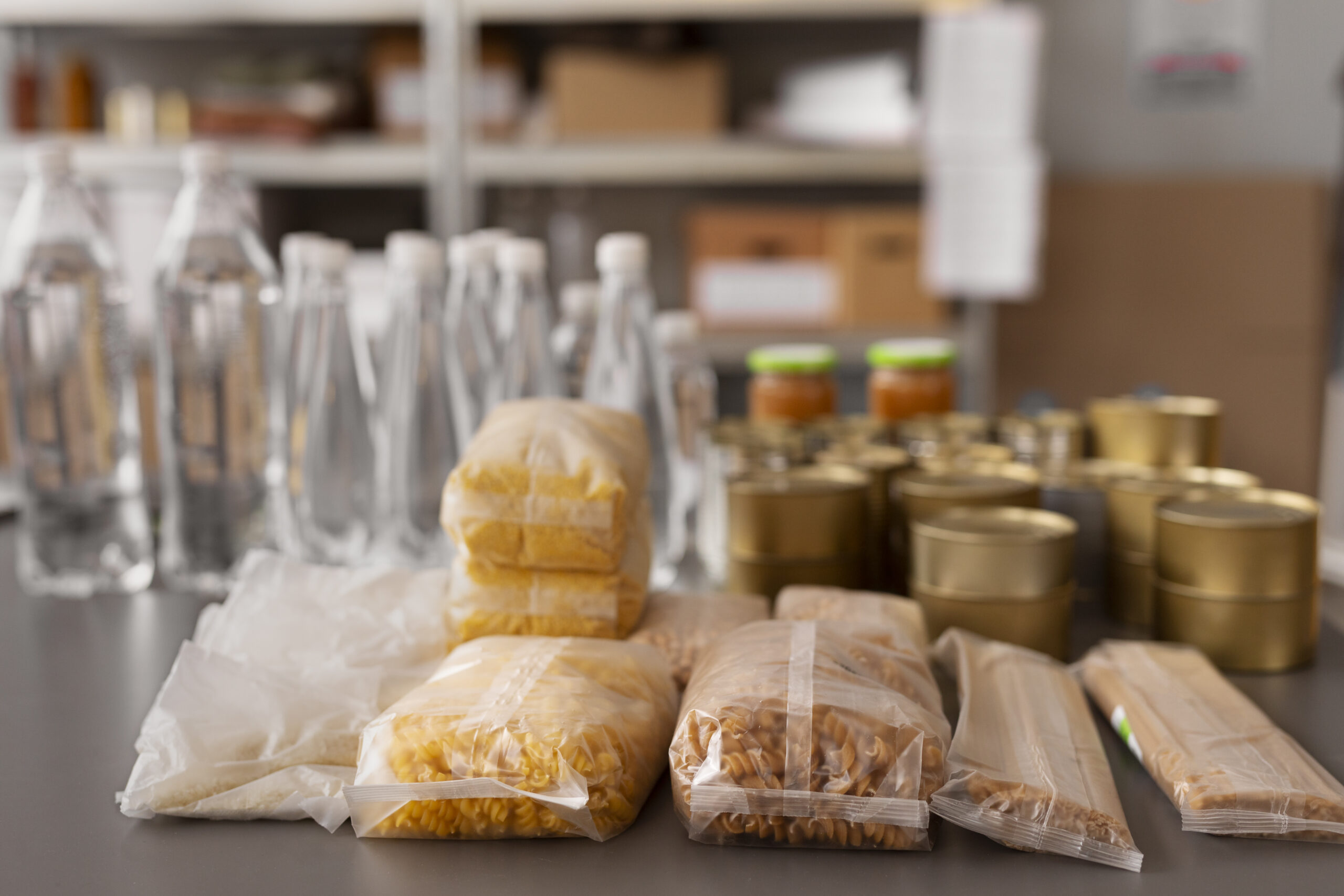
Canned goods stay cooler and last longer in root cellars. Homemade preserves, pickles, and canned vegetables find a perfect home here. Even store-bought canned foods benefit from stable, cool temperatures.
Temperature and Humidity Zones
Different foods need different conditions. Create zones within your cellar for optimal storage:
- Cold and Very Humid (32-40°F, 90-95% humidity): Carrots, beets, turnips, celery, cabbage.
- Cold and Humid (32-40°F, 80-90% humidity): Potatoes, apples, pears.
- Cool and Dry (40-50°F, 60-70% humidity): Onions, garlic, dried beans, pumpkins.
- Warm and Dry (50-60°F, 60-70% humidity): Sweet potatoes, winter squash.
Use shelving to create these zones. Upper shelves run warmer and drier. Lower shelves and floor areas stay coolest and most humid.
Monitoring and Maintenance
Check your cellar weekly during storage season. A min-max thermometer tracks temperature fluctuations. A hygrometer measures humidity levels. Both tools cost under $20 and provide valuable data.
Remove any spoiled produce immediately. One rotten apple really does spoil the bunch. Mold spreads quickly in confined, humid spaces. Regular inspection catches problems before they spread.
Adjust ventilation based on outside temperatures—close vents during extreme cold to prevent freezing. Open them wider during warm spells to maintain coolness. This active management makes the difference between good and great storage results.
Clean your cellar completely each spring. Remove all remaining produce, sweep thoroughly, and air it out. This prevents disease and pest problems from carrying over to the next season.
Common Problems and Solutions
Condensation on walls signals poor ventilation or too much humidity. Increase air circulation and consider adding a small fan during humid weather. If the produce freezes, you need more insulation or should close vents during cold snaps.
Musty odors indicate inadequate air exchange. Check that both vent pipes remain clear. Animals sometimes nest in pipes or block them with debris. Strong vegetable odors mean something is rotting. Find and remove the culprit immediately.
Rodents can devastate stored food. Hardware cloth over vents stops most invaders. Keep the cellar clean and remove any gnawed produce quickly. Consider traps rather than poison, which creates dead rodent problems inside your food storage.
Building Costs and Returns
A basic basement conversion runs $200-500 in materials. This includes lumber, insulation, ventilation pipes, and a door. An outdoor root cellar costs $1,000-3,000, depending on size and materials. These investments pay back quickly when you consider the cost of winter produce at stores.
A modest 8×8-foot cellar stores 30-40 bushels of produce. That’s several hundred pounds of vegetables and fruits. At grocery store prices, you’re looking at $500-1,000 worth of food preservation. The cellar pays for itself in 1-2 seasons while continuing to serve for decades.
Getting Started This Season
Start small if you’re new to root cellaring. Convert a basement corner or try the buried garbage can method. Store just potatoes and carrots in your first year. Learn how your specific setup performs before expanding.
Harvest crops at the right time for storage. Wait until after the first light frost for many root vegetables. This converts starches to sugars and improves flavor. Handle produce gently to avoid bruises that become rot spots.
Cure crops properly before storage. Potatoes need 10-14 days at 50-60°F to toughen their skins. Winter squash needs 2-3 weeks in similar conditions. Proper curing dramatically extends storage life.