You spend two hours scrubbing your kitchen until it sparkles. Three days later, it looks like you never cleaned at all. Sound familiar?
The problem isn’t your cleaning skills. It’s that you’re deep cleaning when you should be maintaining.
Here’s the truth: a truly clean kitchen doesn’t come from marathon cleaning sessions. It comes from a system that prevents mess from building up in the first place.
Why Your Kitchen Gets Dirty So Fast?
Most people clean reactively. You wait until the counters are sticky, the sink is full, and the stovetop has last week’s dinner crusted on it. Then you attack everything at once.
This approach guarantees you’ll be cleaning again soon. Grease spreads. Crumbs multiply. Spills seep into crevices.
The alternative is a maintenance system. Instead of letting dirt accumulate, you stop it before it settles. This takes less time, less effort, and actually works.
The 10-Minute Daily Reset
This is your foundation. Every evening, spend ten minutes on these tasks:
Wipe down all counters with warm, soapy water. Don’t just move crumbs around. Actually, lift them into your hand or a cloth first, then wipe.
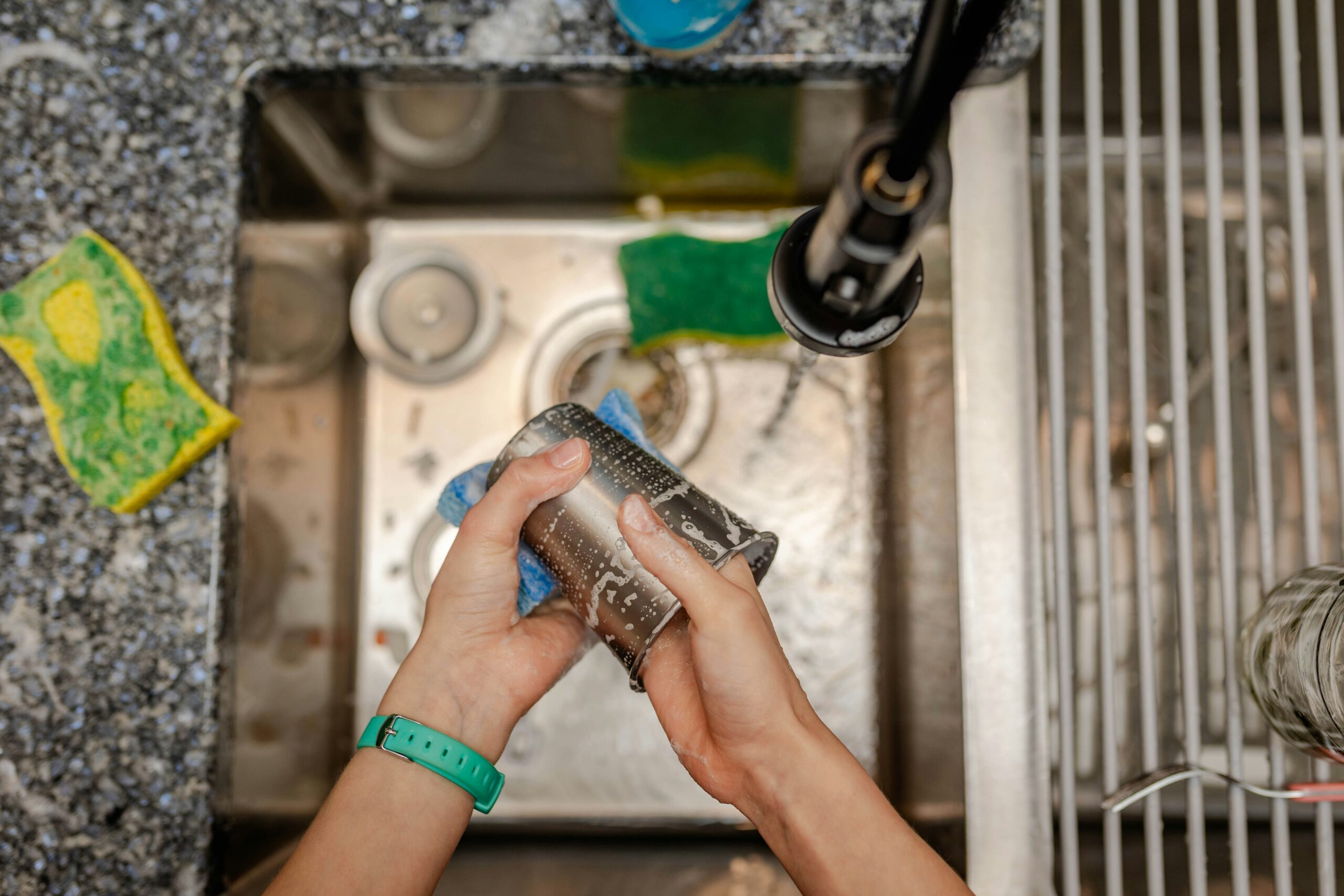
Clean the sink thoroughly. Scrub the basin, wipe the faucet, and dry everything with a cloth. A wet sink attracts grime and encourages bacterial growth.
Put away everything on the counters. Your counter isn’t storage. If it doesn’t get used daily, it goes in a cabinet.
Sweep the floor. Hit the high-traffic zones at a a minimum. Crumbs on the floor become sticky spots when moisture hits them.
Run or load the dishwasher. Never go to bed with dirty dishes in the sink. They’re harder to clean once food dries, and they smell by morning.
This routine prevents 80% of kitchen mess. You’re not deep cleaning. You’re maintaining a baseline of clean.
Clean While You Cook
Waiting until after dinner to clean means you’re cleaning dried, stuck-on food. That’s the hard way.
Start with an empty dishwasher and a clean sink. This gives you somewhere to put dirty dishes immediately.
While food cooks, wash the prep dishes. Waiting for water to boil? That’s two minutes to wash the cutting board and knife.
Wipe spills when they happen. A fresh spill takes five seconds to clean. A dried spill takes five minutes and elbow grease.
Put ingredients away as you finish with them. This prevents counter clutter and means less cleanup at the end.
By the time you sit down to eat, your kitchen should be 90% clean. You’ll only have dinner dishes left.
Weekly Deep Tasks (15 Minutes Each)
Your daily reset handles surface-level maintenance. Once a week, add one of these deeper tasks:
- Monday: Microwave and small appliances. Steam-clean your microwave by heating a bowl of water with lemon for three minutes. Wipe appliances you used that week.
- Tuesday: Stovetop and backsplash. Remove burner grates, soak if needed. Scrub the stovetop thoroughly. Spray and wipe the backsplash.
- Wednesday: Refrigerator check. Toss expired food. Wipe any spills. Organize so you can see what you have.
- Thursday: Cabinet fronts and handles. These collect cooking grease you don’t notice. Wipe them down with degreaser or dish soap.
- Friday: Floor mopping. You’ve been sweeping daily, so this is maintenance mopping, not excavation.
- Saturday: Trash and recycling area. Clean bins, wipe down the area, take everything out, even if bags aren’t full.
- Sunday: Sink deep clean. Scrub the drain, clean the disposal, shine the faucet.
Each task takes 15 minutes because you’re maintaining, not rescuing. This is what keeps your kitchen from needing those exhausting monthly deep cleans.
The Problem Zones That Wreck Everything
Certain areas destroy your clean kitchen faster than others. Address these specifically:
The area next to the stove collects oil splatter every time you cook. Keep the degreasing spray under the sink. After cooking anything in oil, spray and wipe this zone. Takes 30 seconds and prevents buildup.
The trash can perimeter gets disgusting because bags leak and mis-throws happen. Put a small mat under your trash can. Shake it out daily. This one change prevents so much gross floor cleaning.
The dish drying area becomes a bacterial farm if it stays wet. After the dishes dry, put them away and wipe the drying mat or rack. Dry the counter underneath. Moisture plus food particles equals smell.
Behind the faucet, there is trapped for water, soap scum, and grime. Wipe it every time you do dishes. Use an old toothbrush for the tight spaces.
What Actually Needs Deep Cleaning (And When)?
Some things can’t be maintained daily. Here’s the real schedule:
Oven: Every three months, or when you see smoke during preheating. Don’t wait for carbon buildup.
Range hood and filter: Monthly if you cook with oil frequently. Quarterly, if you don’t. Grease fires start here.
Inside cabinets and drawers: Twice a year. Crumbs and spills migrate here even in clean kitchens.
Behind and under appliances: Annually. Pull out your fridge and stove once a year. Yes, it’s gross. That’s why you need to do it.
Light fixtures and ceiling fan: Every six months. Dust and grease float up.
Baseboards and corners: Quarterly. They collect dust and cooking residue.
Schedule these in your calendar. Otherwise, you’ll forget until they’re disgusting.
The Tools That Make Maintenance Possible
You don’t need fancy products. You need the right basics accessible.
Keep a microfiber cloth at the sink. This is your most-used tool. It wipes counters, appliances, and spills. Wash it daily.
Dish soap and water clean almost everything. Don’t buy specialized products for every surface.
A good scrub brush for dishes prevents you from avoiding crusty pans. When pans are easy to clean, you actually clean them.
A handheld vacuum or dustpan and brush at eye level. If you have to dig for your sweeping tools, you won’t sweep.
All-purpose degreaser under the sink. Cooking creates grease. You need something stronger than soap for stovetops and backsplashes.
Bar Keeper’s Friend for your sink. Nothing else makes stainless steel actually shine.
Making the System Stick
Systems fail when they’re complicated. Here’s how to make maintenance automatic:
- Attach cleaning to existing habits. After you make coffee, wipe the counter. After dinner, clean the kitchen. You’re already in the routine of these activities.
- Set a timer for the 10-minute reset. You’ll move faster and won’t get distracted by other tasks.
- Keep cleaning supplies where you use them. If the spray is under the sink and you’re at the stove, you won’t spray the backsplash.
- Make it easier to clean than not to. Put a dish in the dishwasher instead of the sink. The effort is identical, but one maintains cleanliness.
- Never leave the kitchen messier than you found it. This single rule prevents backsliding.
When Life Interrupts the System?
You’ll have weeks where the system breaks down: sick kids, work deadlines, life chaos. Your kitchen will get messy.
Don’t try to catch up all at once. That’s overwhelming, and you’ll quit.
Instead, do the 10-minute reset tonight. That’s it. Tomorrow, add one weekly task: the next day, another. Within a week, you’re back on track.
The system works because it’s flexible. Missing a few days doesn’t ruin everything. You’re maintaining, not achieving perfection.
The Real Payoff
After a month of this system, you’ll notice something strange. Your kitchen is always basically clean. Not just “clean for your house” but actually clean.
You can cook without clearing space first. Friends can drop by without you panicking. You spend less time cleaning overall because you’re preventing mess instead of fighting it.
That’s the goal. A kitchen that stays clean because you’re maintaining it, not because you just spent three hours scrubbing.
Start tonight with the 10-minute reset. Tomorrow, clean while you cook. Next week, add the weekly tasks. This isn’t complicated, but it is consistent.