
Crust that crackles, a soft open crumb that sighs as you tear it, and a warm yeasty aroma are exactly what this easy bread recipe delivers, even for beginners. This no-knead, no-fail method favors time and texture for reliable results without complicated technique.
The crust forms from high heat and steam, while long, slow fermentation keeps the interior tender. Expect a slightly tangy, well-baked flavor with crisp edges and a pillowy center every time.
Your Five-Ingredient Bread Foundation
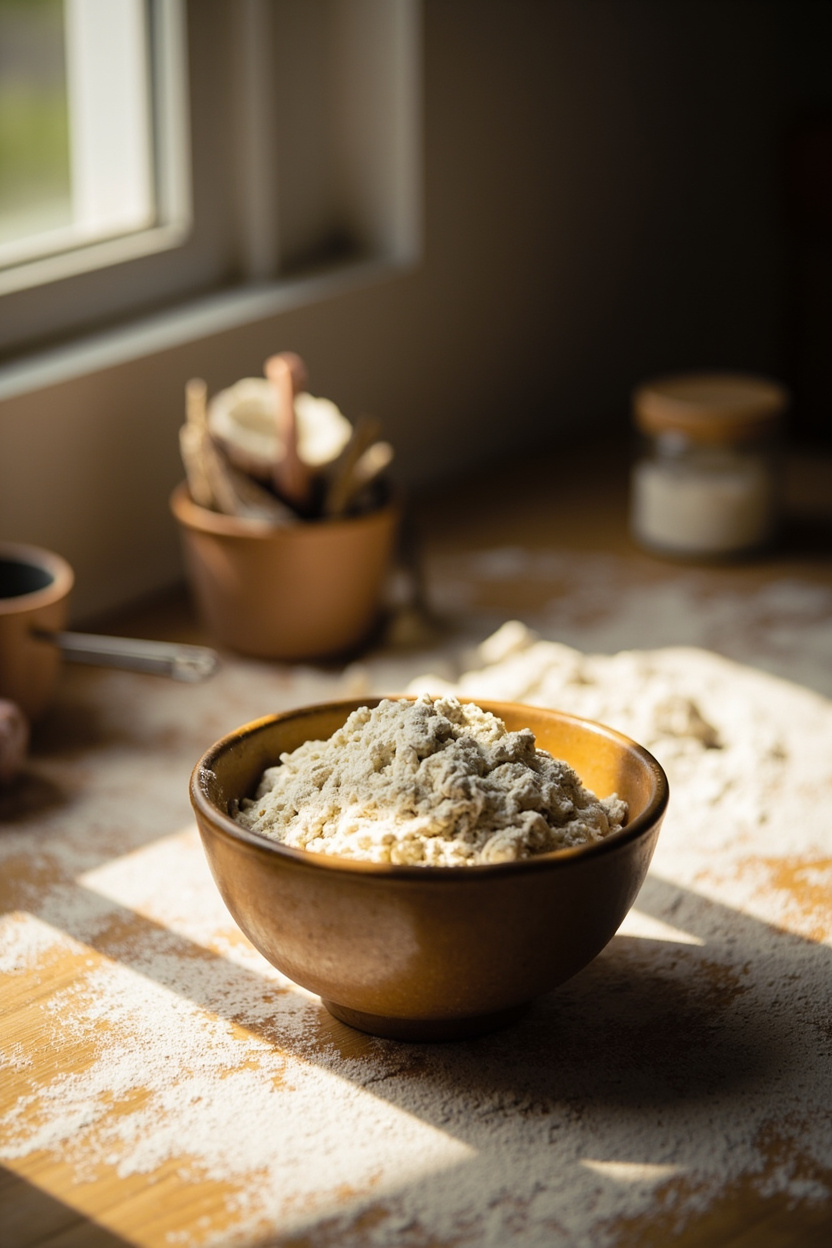
- 500 g (4 cups) bread flour – provides higher protein (gluten) for structure and chew.
- 375 g (1 5/8 cups) water, lukewarm – hydrates starches and enables enzymatic activity during fermentation.
- 10 g (2 tsp) fine sea salt – tightens gluten bonds and controls yeast metabolism for balanced flavor.
- 3 g (1 tsp) instant dry yeast – produces carbon dioxide for rise and contributes flavor compounds.
- 15 g (1 tbsp) olive oil or melted butter, optional – coats starch granules, slowing staling and adding tenderness.
Perfecting Your Kneading Rhythm
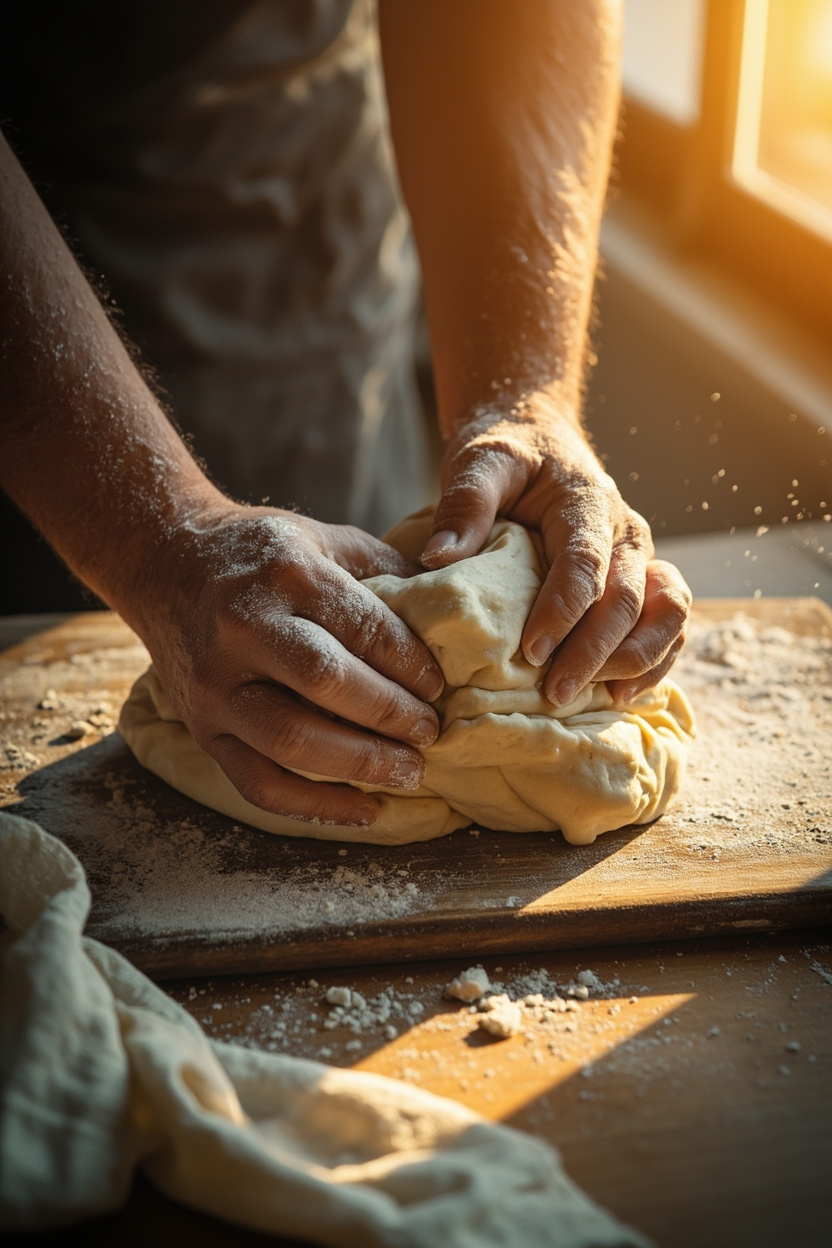
- After mixing, let the dough rest; it will shift from dry and floury to glossy and bubble-speckled. That fully hydrates the flour, replacing mechanical kneading in this method.
- When you fold the dough, use gentle, deliberate motions. The texture should go from shaggy to slightly elastic; a stretched piece should thin without tearing right away, showing gluten development.
- During the long fermentation, the aroma evolves from neutral flour to warm yeastiness with mild acidity. Those scent cues show flavor depth; if it smells overly alcoholic, it’s overproofed and needs faster baking.
- Shaping is about tension, not force. Pull the dough toward you on the work surface to build surface tension; it should feel like a taut balloon for strong oven spring and a defined shape.
- Scoring directs expansion and creates a crisp ridge. A quick, confident slash with a lame or sharp knife at a 30-degree angle makes clean bloom and avoids ragged splits.
- When baking, the covered phase traps steam so the loaf can expand. The final uncovered phase browns and caramelizes the crust to deep mahogany, signaling Maillard reactions and rich flavor.
- After baking, cooling concentrates the aroma and sets the crumb. The surface dries slightly for a crackling crust, while the interior stays tender and springy.
Pro Tips: Avoiding Easy Recipe For Making Bread Pitfalls
Overproofing
If the dough collapses or smells very sour, it has overproofed, so shorten the fermentation or move the dough to a cooler spot. You can reshape and give a brief second proof before baking.
Insufficient oven heat
If your oven or vessel isn’t hot enough, the loaf won’t spring or brown properly, so preheat the Dutch oven for at least 30 minutes and verify the temperature with an oven thermometer.
Too dry or too wet dough
If the dough resists forming bubbles, it may be underhydrated; add 10-20 g more water next time. If it spreads flat, reduce water by 10-15 g or dust in a touch more flour during shaping.
How to Store an Easy Recipe for Making Bread?
Store the cooled loaf at room temperature in a paper bag or loosely wrapped in a kitchen towel for 2 to 3 days to preserve crust texture. For longer keeping, slice and refrigerate in an airtight container up to 5 days, though refrigeration slows staling.
To freeze, slice and layer with parchment in a freezer bag for up to 3 months. Thaw at room temperature or toast slices straight from frozen for the best texture.
Health Benefits of This Easy Recipe For Making Bread
This loaf offers complex carbohydrates and moderate protein from wheat, with extra fiber if you include whole wheat flour. It’s dairy-free unless you add butter, and can be adapted to lower-sodium diets by reducing salt.
Frequently Asked Questions
How long does the easy recipe for making bread take from start to finish?
It takes about 20 minutes of hands-on time, 12 to 18 hours to ferment, and 35 to 45 minutes to bake. The long rise builds flavor with little effort.
Can I use this easy recipe for making bread with whole wheat flour?
Yes, you can substitute up to 50 percent whole wheat and increase hydration by 10-20 g since whole wheat absorbs more water. Expect a slightly denser crumb and nuttier flavor.
Is this easy recipe for making bread suitable for beginner bread bakers?
Yes, it’s beginner-friendly. The no-knead approach lowers technique barriers, so focus on timing, temperature, and visual cues like bubbles and dough volume.
Can I make this easy recipe for making bread without a Dutch oven?
Yes, bake on a preheated stone or sheet and create steam with a tray of hot water, though results can vary. A Dutch oven most consistently delivers the crispiest crust and best oven spring.