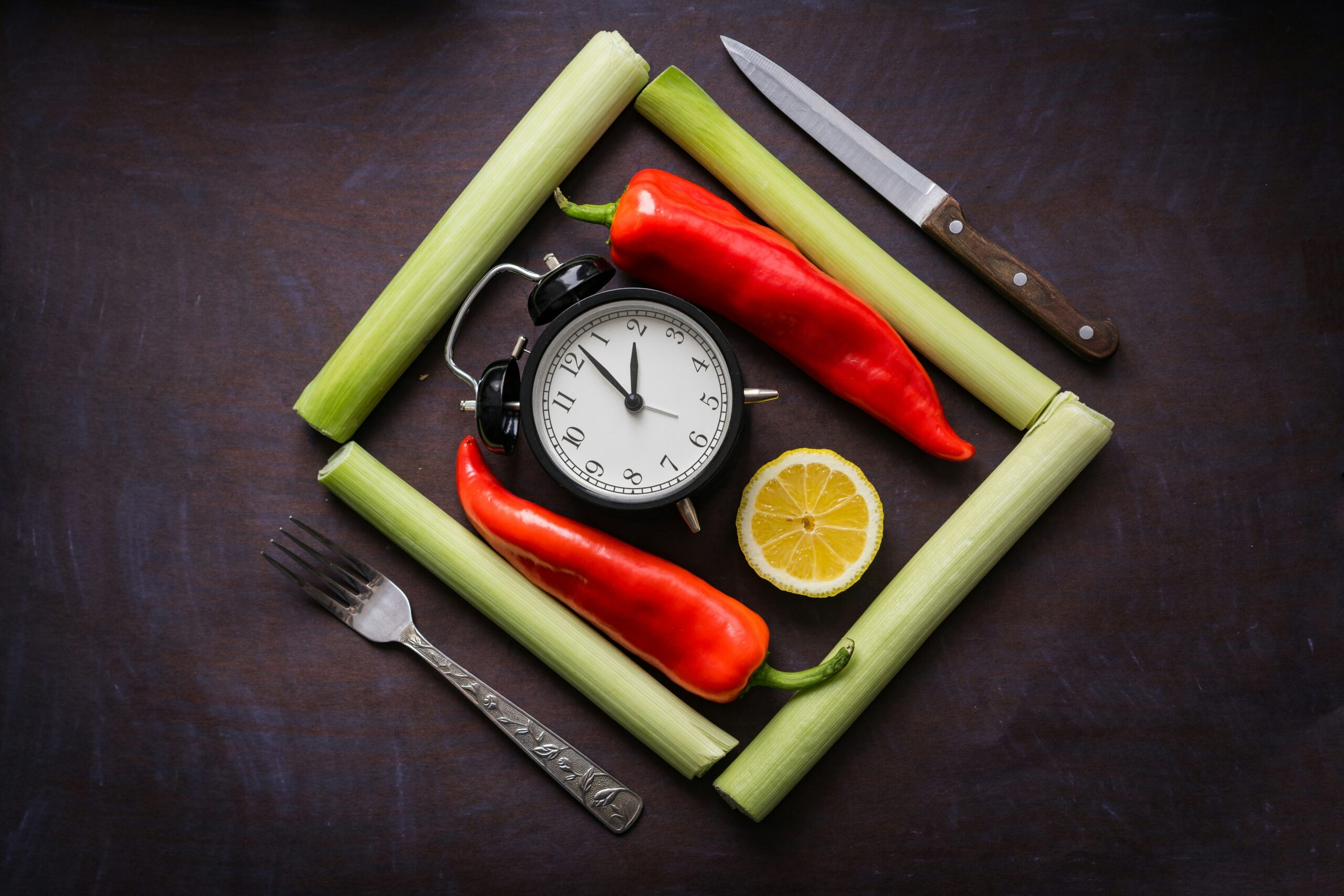
Getting dinner on the table shouldn’t feel like a second job. Most of us spend way too much time in the kitchen, not because we’re slow, but because we’re working harder instead of smarter. The good news? You can slash your meal prep time without sacrificing the quality of your food or resorting to takeout every night.
These aren’t gimmicky tricks or expensive gadgets you’ll use once and forget. These are battle-tested strategies that actual home cooks use to get meals done faster while keeping their sanity intact.
Set Up Your Kitchen Like a Pro
Walk into any restaurant kitchen, and you’ll notice everything has a place. Chefs don’t waste time hunting for tools or ingredients because efficiency is literally money to them. You can steal this approach.
Keep your most-used items within arm’s reach of your main prep area. Knives, cutting boards, mixing bowls, and measuring spoons should live near where you do most of your work. Store pots and pans near the stove, not in some cabinet across the kitchen.
Group similar items together. All baking supplies in one zone. All oils and vinegars are in another. When everything lives in a logical spot, you stop wasting those little 30-second searches that add up to 10 minutes over the course of making one meal.
Clear your counters, too. You need a workspace, not a museum of small appliances you use twice a year. If you haven’t touched that bread maker in six months, it doesn’t deserve prime real estate.
Master the Mise en Place Method
This French term means “everything in its place,” and it’s the single biggest time-saver professional cooks use. Before you turn on a single burner, you prep everything the recipe needs.
Chop all your vegetables. Measure all your spices. Open all your cans. Line everything up in small bowls or on a plate. This feels like extra work at first, but here’s what happens: you cook without interruptions, without burning things because you were busy mincing garlic, and without that panicked feeling when you realize you forgot an ingredient.
You’ll also catch mistakes before they matter. Forgot to buy ginger? You’ll know before the stir-fry is half-cooked, not during.
Prep Once, Eat Multiple Times
Spending two hours on Sunday prepping ingredients isn’t meal prep. It’s ingredient prep, and it’s smarter. Instead of cooking five complete meals, you prepare components that work across different dishes.
Roast a big sheet pan of vegetables—Grill several chicken breasts. Cook a large pot of rice or quinoa. Chop a bunch of onions. Wash and dry all your salad greens. These building blocks let you throw together different meals throughout the week without starting from scratch each time.
Monday’s roasted vegetables go in pasta. Tuesday, they’re in a grain bowl. On Wednesday, they’re a side dish with a different protein: same ingredient, different meals, zero extra chopping.
Use Your Freezer Strategically
Your freezer is more than a place to store ice cream. It’s a time machine that lets you do work now and enjoy the benefits later.
Freeze chopped onions, bell peppers, and ginger in portions. They cook just fine from frozen in most recipes. Freeze leftover tomato paste, stock, and wine in ice cube trays. One cube usually equals about two tablespoons.
Make double batches of sauces, soups, and casseroles. Freeze half. Future you will be grateful when dinner is “reheat and serve.” Label everything with the date and contents. Mystery freezer containers never get eaten.
Freeze raw marinated proteins, too. Throw chicken breasts in a bag with marinade, freeze flat, and you’ve got ready-to-cook meat that thaws quickly and comes pre-seasoned.
Sharpen Your Knife Skills
A sharp knife is faster and safer than a dull one. Period. You’ll cut prep time immediately just by keeping your knives sharp. Get them professionally sharpened twice a year, or learn to use a whetstone yourself.
Learn proper cutting techniques, too. The claw grip protects your fingers and lets you work faster. Rock-chop motion with your knife keeps the tip on the board and creates an efficient rhythm. Consistent sizing means everything cooks evenly, saving you from overcooked edges and raw centers.
You don’t need to julienne like a chef, but basic knife confidence makes every single recipe faster.
Embrace One-Pot and Sheet Pan Meals
Fewer dishes mean less cleanup time, which is technically part of meal prep. One-pot pastas, sheet pan dinners, and skillet meals are your friends.
Sheet pan dinners are especially brilliant. Protein and vegetables cook together at the same temperature. Toss everything in oil and seasonings, spread it out, set a timer, and walk away. Dinner cooks itself while you do literally anything else.
The same logic applies to slow cookers and Instant Pots. Load them up, press a button, and you’ve outsourced the actual cooking. The active prep time is 15 minutes.
Batch Your Boring Tasks
Washing produce piece by piece as you need it is a time sink. Instead, clean everything when you get home from the store: berries, lettuce, herbs, all of it. Dry thoroughly, store properly, and they’re grab-and-go all week.
Same with boiling eggs, cooking bacon, and washing rice. Do a big batch at once. The time investment barely increases, but you’ve created ready-to-use ingredients.
This works for portioning snacks, too. Buy the big bags and containers, then spend 20 minutes dividing everything into single servings. Saves money and time during busy weekdays.
Keep a Well-Stocked Pantry
Running to the store mid-recipe is a massive time killer. A solid pantry means you can make dozens of meals without shopping. Stock these basics, and you’re covered for most situations:
Canned tomatoes, beans, and stock form the base of countless quick meals. Pasta, rice, and other grains are your foundation. Oils, vinegars, and soy sauce build flavor. Garlic, onions, and potatoes last week, and they go in everything. Frozen vegetables are just as nutritious as fresh and require zero prep.
With these on hand, you can improvise meals instead of following recipes exactly, which is often faster anyway.
Use Kitchen Scissors More Often
Scissors cut herbs faster than knives. They cut bacon into bits right in the pan. They butterfly chicken breasts, trim fat, cut pizza, and open every annoying package.
Keep dedicated kitchen scissors, and you’ll find dozens of uses that beat pulling out a cutting board and knife.
Cook Proteins in Bulk
Protein usually takes the longest to cook. Fix this by cooking several days’ worth at once. Baked chicken breasts, ground beef, pulled pork—whatever you eat regularly.
Plain protein stays versatile. Season it differently for each meal. Monday’s plain chicken breast becomes Mexican with salsa and cumin. Tuesday, it’s Asian with soy and sesame. On Wednesday, it’s Italian with marinara.
Cooking in bulk also means your oven or stove runs once instead of five times, saving energy and keeping your kitchen cooler.
Simplify Your Recipes
The best time-saving hack is making simpler food. Most recipes have at least three ingredients you can skip without noticing. That step where you toast spices before adding them? Usually optional. That garnish? Nobody cares.
Strip recipes down to their essential components. A stir-fry needs protein, vegetables, and sauce. Everything else is a bonus. Pasta needs pasta, sauce, and maybe protein. The parsley on top? Skip it.
You’re not running a restaurant. You’re feeding yourself or your family. Good enough is actually good enough.
Plan Your Week Loosely
You don’t need a rigid meal plan, but having a rough idea saves decision-making time. Decision fatigue is real, and “what’s for dinner” at 6 pm when you’re tired guarantees you’ll waste time.
Sunday evening, think through the week. Monday: pasta. Tuesday: tacos. Wednesday: stir-fry. Thursday: leftovers. Friday: takeout. That’s it. No detailed recipes required.
This 10-minute planning session saves you 30 minutes of standing in your kitchen staring at the fridge every single night.
Use Time-Saving Tools Wisely
Not every gadget is worth it, but some genuinely save time. A food processor chops vegetables in seconds. An instant-read thermometer prevents overcooking. A salad spinner dries greens properly so they don’t get slimy.
Garlic presses are divisive, but if you cook with garlic daily, they’re faster than mincing. Same with vegetable peelers versus knives for certain tasks.
Buy tools that eliminate tasks you personally hate or that create bottlenecks in your cooking.
Clean While You Cook
A clean workspace is a fast workspace. Fill your sink with hot, soapy water before you start cooking. As you finish with tools, drop them in. Wipe spills immediately before they become sticky messes.
This continuous cleaning means you’re never faced with a disaster zone when dinner’s done. You’ve distributed the work throughout the process instead of facing a mountain of dishes afterward.
The Bottom Line
Cutting your meal prep time in half isn’t about working frantically or buying expensive equipment. It’s about eliminating wasted motion, planning just enough, and setting up systems that work for you.
Start with two or three of these strategies. Master them. Add more as they become habits. Within a month, you’ll wonder why you ever spent so much time in the kitchen for basic meals.