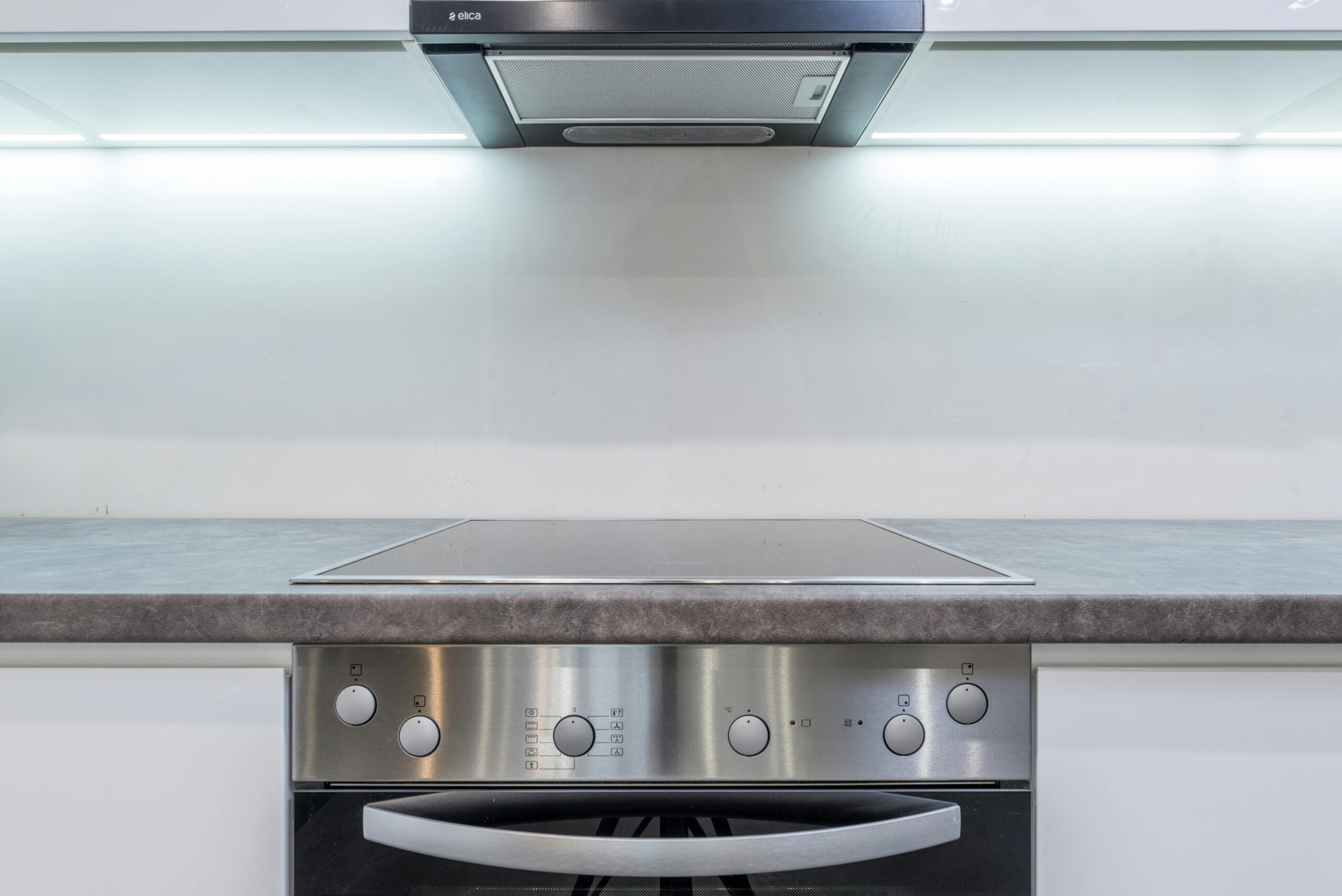
Your kitchen exhaust fan works harder than almost any appliance in your home. Every time you cook, it pulls grease, smoke, and food particles through its system. Over months of use, that buildup becomes a genuine problem.
A dirty exhaust fan doesn’t just work poorly. It creates a serious fire risk that most homeowners overlook entirely.
Why Your Exhaust Fan Needs Regular Cleaning?
The grease and grime collecting in your exhaust system are highly flammable. When it coats the fan blades, filters, and ductwork, you’re basically creating kindling above your stove.
The National Fire Protection Association reports that cooking equipment causes 49% of home fires. A significant portion of these fires spread through dirty exhaust systems.
Beyond fire safety, a clogged fan can’t do its job correctly. You’ll notice smoke lingering in your kitchen, grease settling on your cabinets, and unpleasant odors that won’t go away. The moisture that should be vented outside stays in your home, potentially causing mold growth.
Signs Your Exhaust Fan Desperately Needs Cleaning
Your exhaust system tells you when it needs attention. Watch for these warning signs:
The fan makes grinding or rattling noises that weren’t there before. The motor struggles because grease has gummed up the blades and bearings.
Smoke doesn’t clear as quickly as it used to. You might cook bacon and find the haze still hanging around 10 minutes later.
Grease drips from the fan hood or collects in visible droplets on the underside. This means the filters are completely saturated.
The kitchen feels unusually hot and humid when you cook. A working fan should pull that heat outside.
You see a greasy film developing on nearby surfaces faster than usual. The fan isn’t capturing what it should.
What Happens When You Ignore Exhaust Fan Maintenance?
Neglecting your exhaust fan creates a cascade of problems. The grease buildup reduces airflow by 50% or more in extreme cases. Your fan runs constantly but accomplishes little.
The motor works overtime trying to compensate, leading to premature failure. A replacement fan motor costs $100-300, not counting installation.
That grease layer becomes thicker and stickier. What takes 20 minutes to clean now could take hours later. Professional cleaning services charge $150-400, depending on how bad things have gotten.
The fire risk multiplies. Grease fires in exhaust systems spread rapidly and are difficult to extinguish. Your homeowner’s insurance might not cover damage from a fire caused by poor maintenance.
How Often Should You Clean Your Kitchen Exhaust Fan?
Home cooking frequency determines your cleaning schedule. If you cook daily, especially with high-heat methods like frying or wok cooking, clean the filters monthly and the entire fan system every 3-4 months.
For moderate cooking (3-4 times per week), quarterly filter cleaning and semi-annual deep cleaning work.
Light users who cook occasionally can get away with cleaning every 6 months, but don’t push it longer.
Commercial kitchens follow stricter standards, cleaning daily or weekly depending on volume. Apply that same logic at home if you’re an enthusiastic cook.
Tools and Materials You Need
Gathering the right supplies makes the job much easier:
- Degreasing dish soap (the heavy-duty kind).
- Baking soda.
- White vinegar.
- Soft-bristle brushes.
- Old toothbrush for tight spaces.
- Microfiber cloths.
- Bucket or large basin.
- Hot water.
- Screwdriver or hex key (to remove fan components).
- Drop cloths or old towels.
- Rubber gloves.
- Safety glasses.
Don’t use harsh abrasives or steel wool. They’ll scratch surfaces and make future cleaning harder.
Step-by-Step Exhaust Fan Cleaning Process
- Turn off the power. Flip the circuit breaker for your exhaust fan. You’ll be working with electrical components and water, so this isn’t optional.
- Remove the filters. Most range hood filters slide or pop out easily. Some require loosening clips or screws. Check your manual if it’s not apparent.
- Soak the filters. Fill your sink or a large bucket with hot water. Add a generous squirt of degreasing dish soap and half a cup of baking soda. Submerge the filters and let them sit for 15-20 minutes. The grease will start loosening immediately.
- Scrub the filters. Use a soft brush to work the loosened grease off both sides. For stubborn spots, make a paste from baking soda and a little water. Apply it, wait five minutes, then scrub again. Rinse thoroughly with hot water.
- Clean the fan housing. Wipe down the inside of the hood with a cloth dampened in your soapy water solution. Get into all the corners and crevices where grease hides. The area around the fan blades usually has the thickest buildup.
- Address the fan blades. If you can access them easily, wipe them down carefully. Some models require removing the entire fan assembly. Don’t force anything. If the blades don’t come off easily, clean them in place using a toothbrush and degreaser.
- Clean the exterior surfaces. Wipe down the outside of the hood, the underside, and any visible ductwork. Grease accumulates in surprising places.
- Check the ductwork. If you have access to the exhaust duct, inspect it with a flashlight. Significant grease buildup here requires professional cleaning. Don’t attempt to clean deep into ductwork yourself.
- Dry everything completely. Water and electrical components don’t mix. Let the filters air dry for several hours or overnight. Wipe all other surfaces dry with clean cloths.
- Reassemble and test. Put the filters back in place. Restore power at the breaker. Run the fan to ensure it operates smoothly and quietly.
Deep Cleaning Methods for Stubborn Grease
Sometimes regular cleaning isn’t enough. For filters with years of buildup, try the boiling method.
Bring a large pot of water to a boil. Add half a cup of baking soda slowly (it will fizz dramatically). Submerge the filter and simmer for 10-15 minutes. The heat and baking soda combination breaks down grease that regular soaking can’t touch.
For fan blades and housing, a degreaser spray designed for kitchen appliances works well. Apply it, let it sit for the recommended time, then wipe clean. Some professionals use steam cleaners, which are highly effective but require special equipment.
Never use oven cleaner on your exhaust fan. The harsh chemicals can damage the finish and leave toxic residues.
Maintaining Your Exhaust Fan Between Deep Cleans
Quick weekly maintenance prevents significant buildup. Run a damp cloth over the visible surfaces every time you do a major cooking session. It takes two minutes and removes fresh grease before it hardens.
Empty the drip tray or grease cup if your fan has one. These fill up faster than you’d think.
Run your exhaust fan during cooking and for 10 minutes after. Many people turn it off too soon, leaving grease-laden air to settle instead of being vented out.
Use your cooktop’s back burners when possible. They’re closer to the fan and get better ventilation.
When to Call a Professional?
Some situations require expert help. If your ductwork shows significant grease accumulation, professional cleaning with specialized equipment is necessary. They have the tools to clean deep into the system.
Any electrical issues beyond your comfort level need a technician. If the fan doesn’t turn on after cleaning or makes new, unusual noises, don’t troubleshoot electrical problems yourself.
For commercial-grade exhaust systems or complex setups with multiple fans and long duct runs, professional service ensures thorough cleaning and code compliance.
Professionals typically charge $150-400 for residential exhaust cleaning. It’s worth it when you consider the fire risk and potential for costly damage.
Upgrading Your Exhaust System
If your current fan struggles even when clean, you might need an upgrade. Look for models with higher CFM (cubic feet per minute) ratings. A standard 30-inch range requires at least 300 CFM for adequate ventilation.
Baffle filters trap grease more effectively than mesh filters and clean more easily. They cost more initially but require less frequent deep cleaning.
Consider ducted systems over recirculating ones. Ducted fans vent outside, removing grease and moisture from your home entirely. Recirculating fans filter and return air, which is less effective.
The Real Cost of Neglect
A grease fire originating in your exhaust system can cause catastrophic damage. Beyond the immediate fire danger, insurance complications arise when poor maintenance is the cause.
Your home’s air quality suffers from a non-functioning exhaust fan. Cooking releases particulates and gases that need to go outside, not into your lungs.
The resale value of your home takes a hit if inspectors find a neglected, grease-caked exhaust system. It signals overall poor maintenance to potential buyers.
Take Action Now
Check your exhaust fan today. Pull out a filter and look at it honestly. If you see thick grease buildup, it’s time to clean.
Set a recurring reminder on your phone for filter maintenance. Make it as routine as changing your HVAC filters.
Your exhaust fan protects your home from fire and keeps your kitchen environment healthy. Twenty minutes of cleaning every few months is a small investment for that level of protection.