
Natural disasters don’t announce themselves. Power outages, severe storms, job loss, or supply chain disruptions can happen overnight. Having a 30-day emergency food supply isn’t paranoia; it’s practical planning that gives you absolute peace of mind.
Building this stockpile doesn’t require thousands of dollars or a warehouse. With strategic shopping and wise choices, you can create a complete month’s worth of food security on a tight budget.
Understanding Your Actual Food Needs
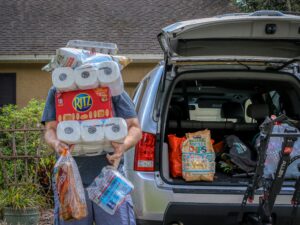
The average adult needs roughly 2,000 calories daily to maintain energy and health during stressful situations. During emergencies, you’re often more active than usual—hauling water, securing property, or dealing with crisis management.
Your 30-day supply should account for every person in your household. A family of four needs approximately 240,000 calories total. That sounds overwhelming until you break it down into manageable purchases over several weeks.
Don’t forget about dietary restrictions. If someone has diabetes, celiac disease, or severe allergies, plan accordingly now. Emergencies are the worst time to discover you can’t eat what you’ve stored.
Budget-Friendly Core Staples
Start with foods that deliver maximum nutrition per dollar. These items form the foundation of any prepper pantry and last for years when stored properly.
- Rice and beans are the ultimate survival duo. A 20-pound bag of white rice costs $15-20 and provides roughly 30,000 calories. Dried beans run about $1 per pound and offer the protein your body needs. Together, they create complete proteins your body can actually use.
- Pasta stores forever and fills stomachs fast. Generic brands work perfectly fine—you’re not hosting dinner parties during emergencies. Twenty pounds of pasta costs around $15 and delivers 34,000 calories.
- Oats aren’t just for breakfast. Steel-cut or rolled oats cost about $3 per pound, provide sustained energy, and can be eaten cold if necessary. A 10-pound bag gives you roughly 17,000 calories.
- Canned vegetables retain nutrients for years. Store brands often cost $0.50-0.75 per can: stock corn, green beans, peas, carrots, and tomatoes. Aim for 60-90 cans to cover a month.
- Canned protein includes tuna, chicken, salmon, and even spam. Tuna runs about $1 per can, while chicken costs $2-3. You need protein to maintain muscle and energy. Plan for 30-45 cans minimum.
- Peanut butter is calorie-dense, protein-rich, and requires no preparation. A 40-ounce jar costs $5-7 and provides 6,000+ calories. Kids especially need these familiar comfort foods during stressful times.
Strategic Shopping Approach
Buy a little each shopping trip instead of dropping $500 at once. Add $20-30 worth of shelf-stable items to your regular grocery runs. This spreads the financial impact and prevents suspicion from family members who might think you’ve lost your mind.
Watch for sales relentlessly. Canned goods go on sale constantly—stock up when they hit $0.50 or less. Rice and pasta often get promoted before holidays. Buy the maximum allowed when prices drop.
Dollar stores carry surprisingly valuable prepper items. Their canned goods, pasta, and seasonings match grocery store quality at lower prices. Just check expiration dates carefully since turnover can be slower.
Wholesale clubs work if you have membership access. Costco and Sam’s Club sell bulk rice, beans, and canned goods at unbeatable per-unit prices. Split large purchases with trusted friends or family to maximize savings.
Generic brands are identical to name brands for basic items. Save your money for things that actually matter. That $0.30 difference per can adds up to $20-30 across your entire stockpile.
Water Storage Essentials
Food means nothing without water. You need one gallon per person daily for drinking and basic hygiene. A family of four requires 120 gallons for 30 days.
Store-bought bottled water works, but it gets expensive. A better approach uses food-grade water containers. Five-gallon jugs cost $10-15 each and last indefinitely with proper care. You need six jugs per person.
Tap water stored properly stays safe for 6-12 months. Add two drops of unscented bleach per gallon if you’re concerned about contamination. Rotate your water supply twice yearly to maintain freshness.
Keep some water purification tablets as backup. A bottle costs $8-12 and treats hundreds of gallons. They’re insurance against contaminated water sources when your stored supply runs low.
Extending Your Food Budget Further
Buying in bulk dramatically reduces per-serving costs. A 50-pound bag of rice costs $30-40 versus $60-80 for equivalent smaller packages. The same principle applies to beans, oats, and pasta.
Repackage bulk purchases into airtight containers or Mylar bags with oxygen absorbers. This extends shelf life from months to years. Initial investment in storage materials pays for itself by preventing waste.
Grow sprouts from dried beans and seeds. Sprouting transforms stored legumes into fresh vegetables rich in vitamins. A $5 sprouting jar produces unlimited fresh greens from your existing supplies.
Learn to bake basic bread. Flour, yeast, salt, and sugar cost pennies per loaf. Fresh bread boosts morale during extended emergencies and uses ingredients that store easily.
Dehydrate fruits and vegetables when they’re on sale. A basic dehydrator costs $30-40 and turns cheap produce into long-term food storage. Dried apples, berries, and vegetables rehydrate quickly and retain most nutrients.
Essential Non-Food Items
Stock cooking fuel appropriate for your situation. Propane camping stoves work well and propane stores indefinitely. A $50 stove plus 4-6 propane canisters ($5 each) covers basic cooking needs.
Manual can openers are mandatory—plural because they break. Buy three good-quality openers for $10 total. Electric openers are useless without power.
Seasonings and spices prevent food fatigue. Salt, pepper, garlic powder, chili powder, and bouillon cubes cost $15-20 total and make bland staples actually edible. Morale matters during long-term situations.
Vitamins fill nutritional gaps in your stored food. A year’s supply of multivitamins costs $10-15. Vitamin C supplements combat scurvy if fresh produce becomes unavailable.
Comfort foods are strategic, not frivolous. Coffee, tea, hot chocolate, and hard candy cost little but provide massive psychological benefits. A $20 investment in morale boosters pays dividends when stress peaks.
Proper Storage Methods
Temperature control determines shelf life. Ideal storage runs 50-70°F with low humidity. Basements work well if they’re dry. Avoid garages where temperature swings destroy food faster.
Keep food in dark locations. Light degrades nutrients and shortens shelf life. A closet, under-bed storage, or dedicated pantry space all work perfectly.
Elevate stored food off concrete floors. Moisture wicks through cardboard and damages food. Simple wire shelving or wooden pallets solve this problem cheaply.
Use FIFO rotation first in, first out. Date everything when you buy it. Place new purchases behind older items, so you consume food before expiration dates pass.
Check your stockpile quarterly. Look for damaged packaging, rust on cans, or pest evidence. Catching problems early prevents losing significant portions of your supply.
Realistic 30-Day Shopping Plan
Week one focuses on grains and beans. Budget $40-50 for rice, pasta, oats, and dried beans. This establishes your caloric foundation cheaply.
Week two adds canned proteins and vegetables. Spend $40-50 on tuna, chicken, and 20-30 cans of vegetables. Sales determine exact quantities.
Week three covers fats and comfort items. Budget $30-40 for peanut butter, cooking oil, seasonings, and treats like coffee or candy.
Week four rounds out nutrition with fruits, soups, and backup items. Spend the remaining $30-40 on canned fruits, condensed soups, and filling gaps identified earlier.
This $150-180 monthly investment creates a complete 30-day supply for one person. Scale up based on household size while taking advantage of bulk discounts.
Common Mistakes to Avoid
Don’t store food you won’t eat normally. Emergencies aren’t the time to discover your kids hate canned spinach. Stock familiar foods your family already enjoys.
Avoid relying on freeze-dried meals exclusively. They’re convenient but expensive. Use them sparingly as quick meal options, not your entire supply.
Don’t forget cooking requirements. Some stored foods need significant water or fuel to prepare. Balance easy-to-prepare items with foods requiring cooking.
Never keep all food in one location. Disasters can destroy single storage areas. Spread supplies between multiple spots in your home for redundancy.
Skip trendy superfoods and expensive organic options. During emergencies, calories and nutrition matter—not marketing claims. Save money for quantity over premium quality.
Maintaining Your Investment
Rotate food into regular meals monthly. Cook rice and beans for dinner, use canned vegetables in recipes, and eat stored pasta. This keeps everything fresh and familiar.
Replace what you consume immediately. When you eat three cans of vegetables, buy three more that week. Consistent rotation prevents expiration waste.
Update your inventory quarterly. Note what you’ve used, what’s approaching expiration, and what needs replacing. Simple spreadsheets or notebook tracking works fine.
Test your supplies before emergencies hit. Cook a weekend using only stored food and your backup cooking method. This reveals gaps in planning, while you can still fix them.
Adjust quantities as your family changes. New babies, growing teenagers, or elderly relatives moving in all change your food requirements. Reassess needs annually.
Beyond the First 30 Days
Once you’ve completed your 30-day supply, extending to 60 or 90 days becomes much easier. You’ve established buying habits, found the best deals, and learned what works for your family.
The initial 30 days provide breathing room during most emergencies. Job loss, temporary disasters, and supply disruptions typically resolve within a month. You’re covering the most likely scenarios first.
Building food security doesn’t happen overnight, but it doesn’t require wealth either. Consistent small purchases create substantial supplies. Starting beats perfection every time.