You want fresh basil for your pasta and mint for your beverages, but you don’t have time to water a plant, let alone drink water. I understand. We’ve all done it: bought a pretty potted cilantro plant only to have it turn into a shrivelled brown disaster three days later.
It feels like a personal failure, but most of the time, it’s just that a high-maintenance plant doesn’t fit with a hectic life.
What if I told you that you could have a successful kitchen garden without having to water it all the time? It is completely plausible. It’s not about having a green thumb; it’s about choosing the proper “warrior” plants and setting up a system that does the hard work for you.
Why You Should Care About Low-Maintenance Herb Gardening?
It generally sounds like a full-time job to grow your own food. People think about getting up early to pull weeds and check the moisture in the soil. But let’s be honest: no one has time for that. The “lazy” way to garden is actually better for the environment because it uses the plant’s natural strength.
If you learn how to produce herbs with absolutely no effort, you’re not simply saving time. You are also saving cash. Think about those little plastic clamshells of herbs you can buy at the shop for five dollars that go bad in two days.
Having a strong rosemary bush outside your home is like having free money sprouting in the ground.
And it’s so amazing that you can stroll over to a window and cut off some garnish. Even if you only microwaved a frozen pizza, it makes you feel like a master cook.
Which Herbs Actually Thrive on Neglect?
Not all herbs are the same. Some, like cilantro and parsley, are “divas.” They need just the right amount of water and light, and if you look at them the wrong way, they die. We don’t want those. We want the plants that have “baller energy,” which means they stay green even if you forget about them for two weeks.
Rosemary: The Ironclad Evergreen
Rosemary would win the honour for the toughest plant on Earth. This herb really doesn’t like being spoiled. It dies if you give it too much water. It likes to stay dry and soak up the sun.
- Maintenance Level: Basically zero.
- Vibe: Rugged, woody, and smells like a fancy spa.
- Pro Tip: Plant it in a spot with tons of sun and forget it exists.
Mint: The Unstoppable Invader
Mint is the person at the party who never leaves. It’s so easy to grow that the true challenge is keeping it from taking over your whole yard. This herb is great for people who desire to be stress-free.
- Maintenance Level: It grows itself.
- Vibe: Fresh, cooling, and extremely aggressive.
- Pro Tip: Always grow mint in a pot. If you put it in the ground, it will eventually own your house.
Thyme: The Rugged Groundcover
Thyme is like the garden’s quiet overachiever. It stays close to the Earth and doesn’t worry whether the soil is rocky or not very good. It comes back every year without you having to do anything.
- Maintenance Level: Very low.
- Vibe: Earthy and reliable.
- Pro Tip: It loves hanging over the edge of a pot or a stone wall.
Chives: The Hardy Perennial
Chives are a type of grass that tastes like onions and can’t be killed. You can cut them down to the ground, and they will grow back immediately. They also make stunning purple flowers that bees enjoy.
- Maintenance Level: Set it and forget it.
- Vibe: Minimalist and spicy.
- Pro Tip: Once they are established, they can handle almost any weather.
Sage: The Drought-Defying Legend
The fuzzy leaves of sage are cool and help keep moisture in. This makes it very resistant to drought. It looks great in a garden and doesn’t need much care.
- Maintenance Level: Low.
- Vibe: Velvety and sophisticated.
- Pro Tip: It doesn’t like sitting in soggy soil, so make sure your pot has good drainage.
How to Set Up a Garden That Waters Itself?
You should talk about automation if you want to know how to cultivate herbs with almost no work. Inconsistent watering is the number one cause of death for indoor plants. We either give them a lot of water or let them turn to dust.
Self-Watering Planters
These change the game completely. There is a place at the bottom of these pots where water can stay. When the plant is thirsty, it “drinks” through a wick or by capillary action. You need to fill the tank again every few weeks.
Gardeners Supply Company is one location where you may find amazing solutions that look good and keep your plants alive while you’re on vacation.
Smart Indoor Gardens
If you want to go all out with technology, check out systems like Click and Grow or AeroGarden. These installations come with built-in LED lights and sensors that automatically check the water level.
- The Lights: They turn on and off by themselves to mimic the sun.
- The Food: They usually use pre-seeded pods that include nutrients.
- The Effort: You literally add water when the light flashes.
It’s the best “lazy” move, and it works great in flats with no natural light.
The Secret to Soil That Does the Work for You
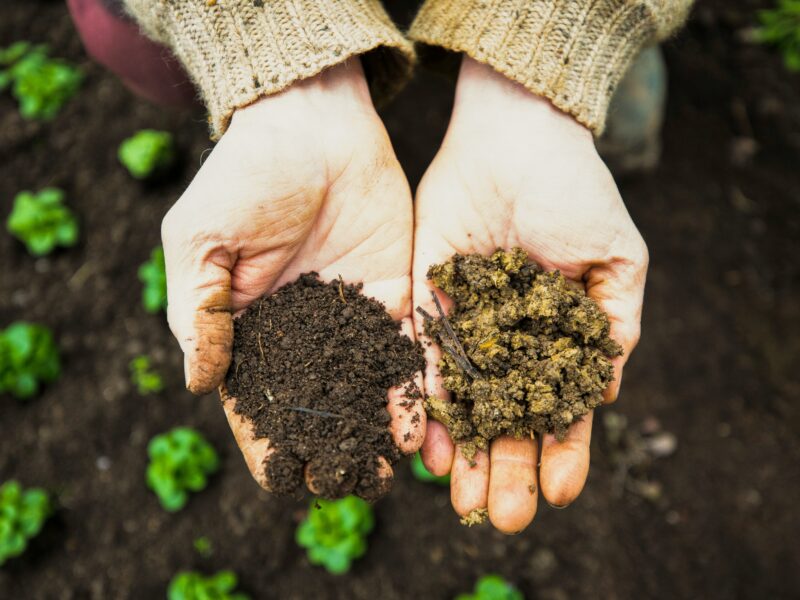
A lot of people grab the first cheap bag of dirt they find, but that’s not a good idea. You need soil that breathes if you want plants that don’t need any care. Herbs don’t like soil that stays wet like a sponge.
Mix in Some Perlite
The small white Styrofoam-like pieces in potting mix are called perlite. It is glass from a volcano. It keeps the soil loose so the roots don’t rot.
Use Slow-Release Fertilizer
Don’t use liquid feeds that you have to mix every week. That is too much labour. Get some granules that you can “set and forget.” You put them on the ground every six months, and every time it rains or you water it, they slowly feed the plant.
The Royal Horticultural Society has more information on the science of soil health.
Where to Place Your “Neglect-Friendly” Garden?
Place is very important. If you put your herbs in a dark location, they will grow “leggy,” which means they will grow long, thin, and feeble as they try to get to the light.
The Window Facing South
A window that faces south in the Northern Hemisphere is the “golden ticket.” It gets the most sun all day long. Your rosemary or sage will be happy there.
Places Outside
Find a position that gets at least six hours of sun if you have a balcony or a yard. If you live in an area where it’s really hot, a little shade in the afternoon is excellent for your plants so they don’t get too hot.
Common Mistakes That Kill “Zero Attention” Herb Gardens
Even with the simplest plants, there are some “rookie moves” that can mess things up. Let’s name them so you can stay away from them.
1. Giving too much water (the “Smothering Parent” problem)
Being nice is how most people kill herbs. They spot a leaf that looks a little limp and pour a gallon of water on it. This is the end for herbs like rosemary, thyme, and sage. Let the ground dry out.
Put your finger an inch into the Earth. If it feels dry, you can water it.
2. Using pots that don’t have holes
The water can’t go anywhere if your pot doesn’t have a hole at the bottom. It merely lies there and rots the roots. Always utilise pots that have holes in the bottom. If you find a nice pot without holes, you can use it as a “sleeve” for a plastic nursery pot that does have holes.
3. Not picking
It may seem strange, but the more you “use” your herbs, the better they grow. Cutting off the tops makes the plant grow bushier instead of taller. If you don’t touch your mint, it will turn woody and strange.
The “Zero Effort” Maintenance Schedule
This “schedule” is easy enough for even the busiest person to follow.
| Frequency | Task |
| Once Every 2 Weeks | Check the water reservoir or stick a finger in the soil. |
| Once a Month | Snip off any dead leaves or flowers (this takes 30 seconds). |
| Every 6 Months | Add a pinch of slow-release fertilizer granules. |
| Once a Year | Move the plant to a slightly bigger pot if it looks crowded. |
How to Scale Your Lazy Garden?
You should do more once you realise how easy it is to cultivate a few things. The key is not to make it too hard.
Instead of planting twenty various kinds of plants, grow more of the ones you eat. Put three basil plants in a big self-watering pot if you adore pesto. It takes the same amount of work as one plant, but it provides you with a huge crop.
You might also want to check out “companion planting.” Planting items together that help each other is a cool thing to do. For instance, putting chives next to other plants helps keep some bugs away naturally, so you don’t have to deal with them.
The Ultimate “Lazy” Setup Summary
If you want to learn how to cultivate herbs with very little care, follow these three steps:
- Choose the Warriors: Rosemary, Mint, Thyme, or Chives. Stay away from the “divas.”
- Get a smart indoor garden or a self-watering container. Let the pot do the work.
- Put it in a sunny window and don’t touch it.
It doesn’t have to be hard work to garden. It’s better to work smarter than harder. You can enjoy all the benefits of fresh herbs without the worry by picking naturally tough plants and containers that take care of their own water.
Final Thoughts
The main thing is to enjoy your cuisine and your space. Don’t worry if a plant dies. Even the best gardeners lose plants from time to time. Instead of that, try one of the “warrior” plants. Just throw it away and keep the pot.