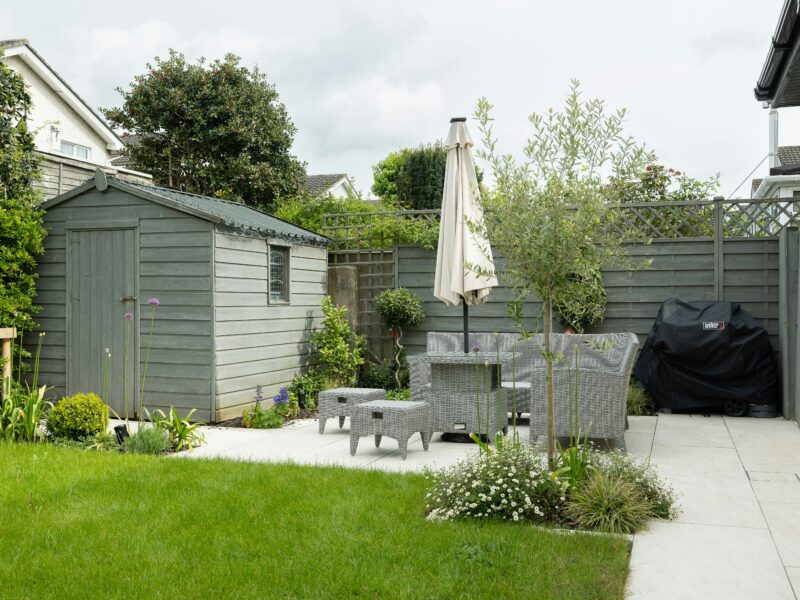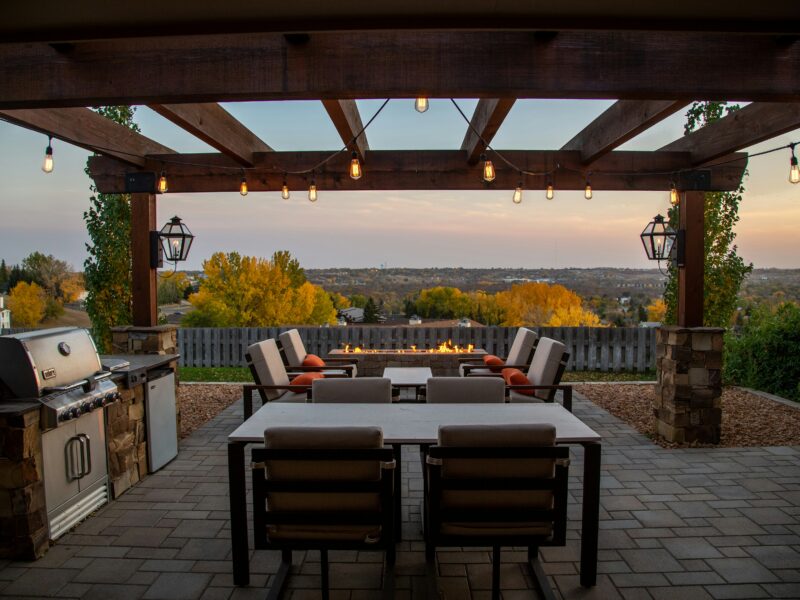
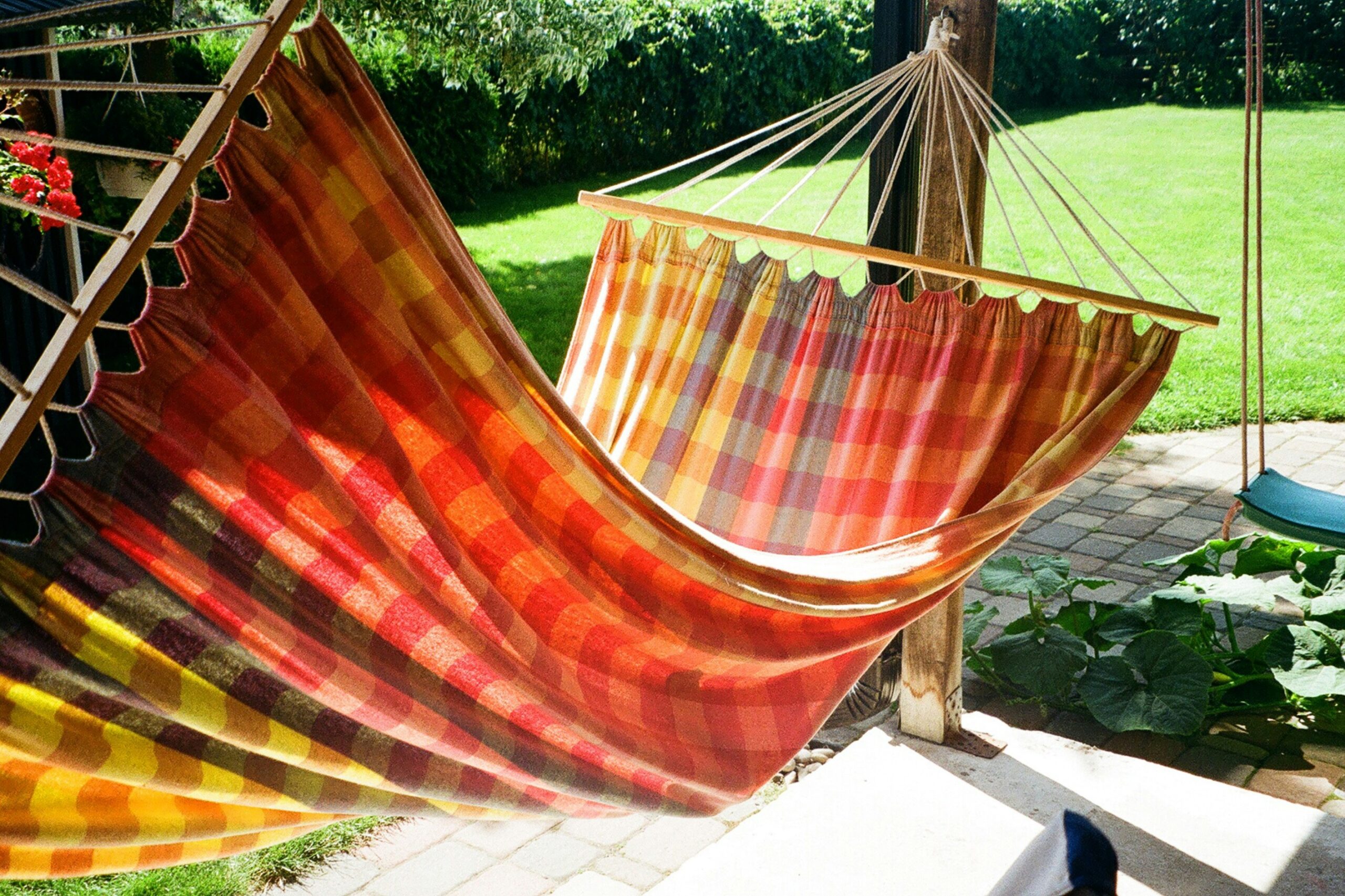
If you’re trying to figure out how to deal with windy backyard concerns, you can feel like nature is attacking your free time. But here’s the good news: you don’t have to travel anywhere. You don’t even have to put a big glass dome over your house.
I’m going to show you step by step how to repair this. We’re not simply talking about putting in some shrubs; we’re talking about changing the way air moves through your area.
The Science of the Breeze (And Why Your Wall Failed)
You need to know the enemy before we start digging. When humans try to block the wind, they usually make one big mistake: they build a strong wall.
I see this a lot. You think, “The wind is blowing on me, so I’ll build a strong 6-foot fence.” That makes sense. Not true.
The Turbulence Trap
When wind reaches a solid wall, it doesn’t just stop. It hits it, goes up, and then hits the opposite side with twice as much turbulence. It makes a vacuum on the side you are seated on, which is the leeward side.
- The Result: You actually create more chaos in your seating area.
- The Fix: You need filtration, not isolation.
The idea isn’t to halt the wind completely; it’s to drain its energy. You want the air to go through things that slow it down instead of pushing it over the top. It’s like a colander and a mixing bowl. You want the colander look.
Hardscaping Solutions: Built to Break the Gale
Hardscaping is your first line of defense if you’re in the design phase or ready to perform some heavy lifting. But you need to be smart about what you use.
1. Slatted Fencing and Trellis
Forget about the solid panels. You want fencing with horizontal slats and spaces.
- The Ratio: Ideally, you want about 50% solid material and 50% open space.
- The Effect: This breaks up the wind’s velocity without creating that nasty turbulence I mentioned earlier.
- Visual Bonus: It looks modern and makes small gardens feel bigger because light still passes through.
2. The Sunken Garden (The Nuclear Option)
If you have the money and the land, drilling underground is the best way to cheat.
- How it works: By lowering your seating area just 18 to 24 inches, you change the game completely. The wind passes right over your head.
- Retaining Walls: Use the excavated earth to build up the surrounding beds. Plant wind-tolerant grasses on top, and you are basically invisible to the wind.
- Cozy Factor: Sunken fire pits hold heat better because the wind isn’t stripping the warmth away every second.
3. Glass Balustrades
You should not restrict your view if you’re on the shore or gazing over a valley.
- The Solution: Toughened glass screens.
- The Height: You need them high enough to protect you when seated (around 1.1 to 1.5 meters).
- Pro Tip: Don’t seal the gaps between panels completely. Leave small spaces to allow some airflow, preventing that pressure buildup that can shatter glass in a storm.
Note: According to the Royal Horticultural Society (RHS), permeable barriers are significantly more effective at reducing wind speed over a longer distance than solid barriers.
Plant Power: Nature’s Windbreaks
Fences are not as good as plants. That’s it. They bend, move, and let wind through them organically. You can’t just put a fragile Japanese Maple in a wind tunnel and hope for the best. By Tuesday, it will be a stick.
The “Layering” Technique
You need to layer your planting as you dress for winter.
- Outer Layer: Tough, sacrificial plants that can take a beating.
- Middle Layer: Shrubs that filter the remaining breeze.
- Inner Layer: Your pretty flowers and delicate seating area.
Best Trees for Windy Spots
You need trees with strong root systems and flexible branches.
- Carpinus betulus (Hornbeam): tough as nails, holds leaves into winter for privacy.
- Crataegus (Hawthorn): practically indestructible. You could park a tank on it, and it would bloom the next year.
- Pinus mugo: Low-growing pine that laughs at wind.
The Bamboo Solution (With a Warning)
Bamboo is incredible for wind. It bends, it rustles (which masks traffic noise), and it grows fast.
- The Warning: Only—and I mean only—buy “Clumping” bamboo (like Fargesia). Do not buy “Running” bamboo unless you want your neighbor to sue you in five years when it comes up through their floorboards.
Zoning and Layout: Angling for Success
Sometimes the problem isn’t what you have, but where you put it.
Stop Squaring Everything Off
We have this obsession with placing furniture parallel to the house.
- The Shift: Turn your seating area 45 degrees. Sometimes, just angling a sofa or a dining table disrupts the direct line of the wind.
- Corner Traps: Avoid putting seating directly in tight 90-degree corners of solid walls. That is where the wind vortex happens.
Create “Micro-Climates”
Don’t try to fix the whole yard at once. Pick one spot—the “coffee spot”—and fortify it.
- Use a tall L-shaped planter box with tall grasses.
- Place it on the prevailing wind side (usually South-West in many regions).
- You create a small bubble of calm without redesigning the whole acre.
Furniture That Stays Put
After a hurricane, the worst thing is having to fish your patio furniture out of the pool. If you have problems with wind in your backyard and how to deal with them, the furniture you choose is more important than you think.
Go Heavy or Go Home
Lightweight aluminum or plastic? Forget it.
- Wrought Iron: The classic heavy-hitter. It stays where you put it.
- Teak: Heavy, durable, and ages nicely.
- Concrete/Cast Stone: For tables, a concrete top is immovable.
Aerodynamic Designs
- Wire/Mesh Chairs: Look for chairs that let air pass through them (like Bertoia style). If the wind can’t catch it, it can’t move it.
- Low Profiles: Low-slung lounge furniture offers less surface area to the wind than high-backed dining chairs.
Securing the Goods
- Bungee Cords: If you have stackable chairs, bungee them to the table leg when not in use.
- Weights: For umbrellas, whatever weight the manufacturer suggests, double it. Better yet, bolt it to the deck.
Fire and Water: The Elements vs. The Wind
You want a pit for a fire? In a storm? It sounds risky, but you can accomplish it if you are savvy.
Fire Pit Strategy
- Wind Guards: You absolutely need a tempered glass wind guard for gas fire pits. Without it, the flame will blow out or, worse, blow sideways and melt your sneakers.
- Wood Burning: Avoid open bowls. Go for a Chiminea. The chimney stack directs smoke up and away, preventing that face-full-of-smoke experience that ruins the mood.
- Depth: Dig the pit down. A sunken fire pit is safer and warmer.
Water Features
Fountains in high wind are a nightmare. The water blows out, the pump runs dry, and the motor burns out.
- The Fix: Go for “Bubblers” or “Urn” fountains where the water clings to the surface of the stone.
- Avoid: Spray jets or tall geysers. The water will end up on your patio, not in the basin.
Dealing with Shade Sails and Umbrellas
This is the number one casualty in windy gardens.
The Shade Sail Mistake
People bolt shade sails to their siding and a fence post. One big gust, and it rips the siding off the house. I’ve seen it happen.
- The Fix: Use independent steel posts set deep in concrete.
- Tension: High tension prevents flapping. Flapping destroys fabric.
- Permeability: Buy shade cloth that lets some air through. It blocks less rain, but it won’t act like a ship’s sail and pull your posts down.
The Umbrella Dilemma
If you live in a high-wind zone, standard market umbrellas are disposable.
- Go Commercial: Look for umbrellas with fiberglass ribs. Fiberglass bends; aluminum snaps.
- Vents: Ensure the umbrella has a “double vent” or “wind vent” at the top to let pressure escape.
Practical Maintenance for Windy Yards
Designing is one thing; living with it is another.
- Pruning: You have to prune trees to reduce the “sail effect.” Thinning out the canopy allows wind to pass through rather than pushing the tree over.
- Mulch: Don’t use lightweight cocoa shell mulch. It will blow away in ten minutes. Use heavy wood chips or gravel.
- Staking: When planting new trees, stake them low (at 1/3 the height). Staking too high prevents the tree from developing a strong trunk, making it weaker in the long run.
Conclusion
You can’t turn off the weather. But you can definitely outsmart it. You can turn a messy backyard into a peaceful haven by replacing solid walls with permeable screens, choosing plants that can handle a lot, and sinking your seating areas.
It’s not about fighting nature to fix problems with wind in your backyard; it’s about finding a way to work around them. You don’t need a bunker; you need a plan.