If you till the soil every weekend until your arms become numb and your back feels like a pretzel, I have news for you. Your workload is excessive. Most people think a “good” gardener sweats, digs, and fights nature.
Smart gardeners with lush, bright plants are the laziest.
I mean systems where dirt takes care of itself. We’re discussing lazy gardening tips to keep soil healthy automatically, so you may enjoy lemonade on your porch instead of shoveling.
Forests have grown without rototillers for millions of years, right? We should follow that example.
Why “Lazy” Gardening is Actually Scientific Genius?
For decades, we’ve been told to “work” the soil. We’re told to flip it and add chemical fertilizers every spring.
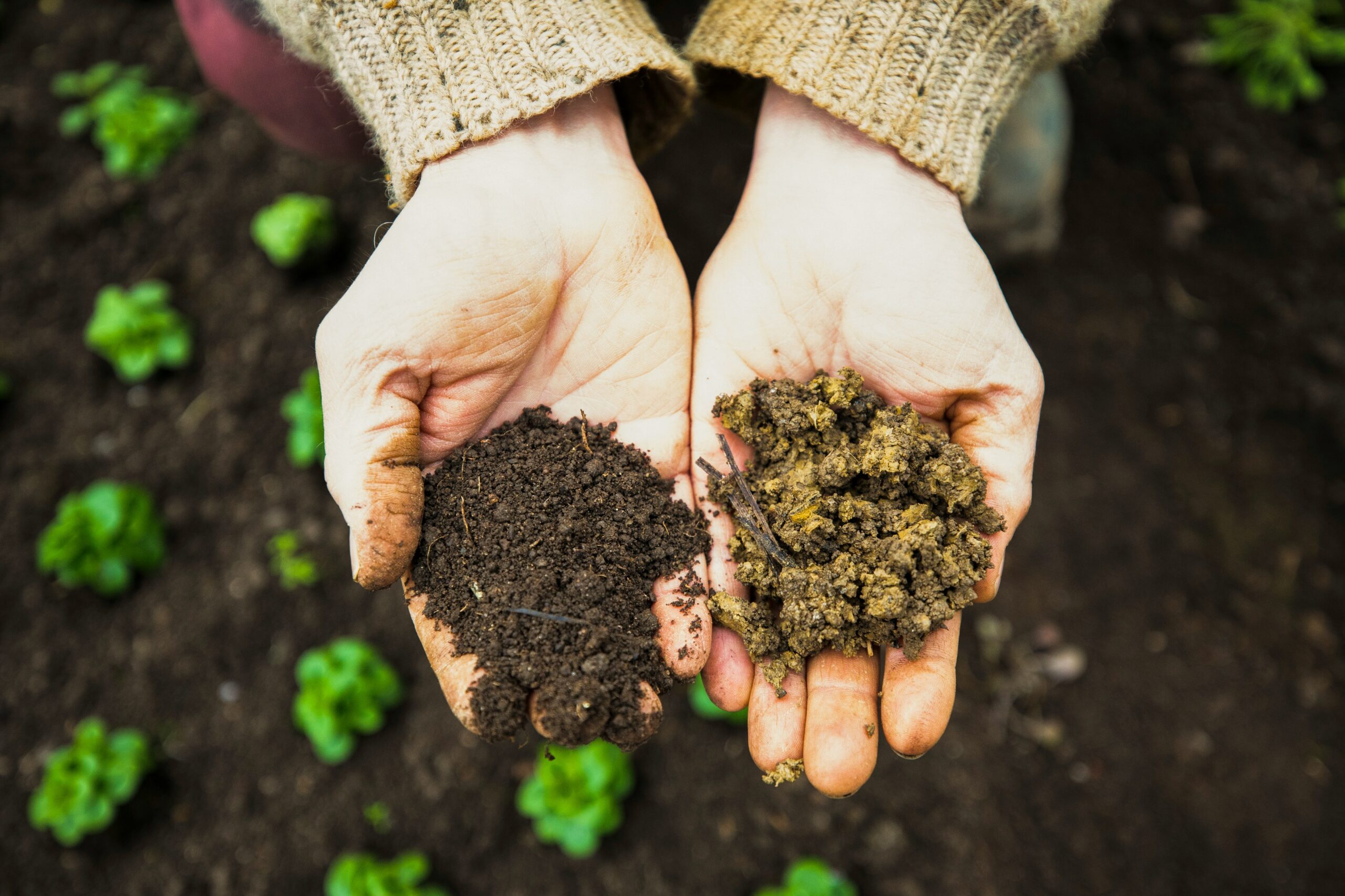
However, every time you dig, you demolish a complex underground metropolis. This city’s fungi, bacteria, and earthworms work for you for free. Stop digging and let these tiny workers develop a nutritious powerhouse.
The Problem with Traditional Tilling
Tilling kills germs naturally. A massive earthquake hits a city every six months. Mycorrhizal fungi that help plants drink water and absorb nutrients die.
Conservationists utilize lazy gardening techniques to maintain soil health automatically. You are preserving soil structure, which avoids erosion and preserves moisture at the roots.
Trick #1: The “Chop and Drop” Method
This is the ultimate “I don’t want to carry a heavy bag to the compost bin” move. Instead of taking out and carrying away every weed or spent plant, trim it at the root and leave it.
How does it work automatically?
Leaving plant matter on the surface creates natural mulch. Slowly decomposing, it feeds the earth from above. Forest floors function like this.
Why You’ll Love It:
- No hefty garden waste transport.
- The roots decay in the ground, generating air and water tunnels.
- It shields the land from the sun.
Avoid “chopping and dropping” seed-grown weeds. That’s a headache waiting. Stay with unflowered green leaves and stalks.
Trick #2: The Magic of Sheet Mulching (Lasagna Gardening)
Make a garden from an area of grass or weeds without digging it up—digging traps. Switch to sheet mulching. It’s the “lazy” technique to create high-quality soil from scratch without effort.
The Step-by-Step “Lazy” Setup:
- Mow the area as short as possible. Don’t even bag the clippings.
- Cover it with cardboard. Make sure to overlap the edges so no light gets through.
- Wet the cardboard down with a hose.
- Dump a thick layer of compost or wood chips on top.
You finish. The cardboard smothers weeds and grass and attracts thousands of earthworms as it rots. Next season, your soil will be crumbly and dark like nursery dirt. This is one of the best lazy gardening tips for soil health.
Trick #3: Never Leave the Soil Naked
Soil dislikes nakedness. An area of dirt exposed to wind, rain, and sun will die. The sun kills it, and the rain washes away its nutrition.
The “Auto-Pilot” Solution: Wood Chips or Straw
Always cover garden beds with 3–4 inches of organic mulch. Wood chips are amazing since they decompose slowly. They only need to be topped off once a year.
The Benefits:
- Moisture retention: You’ll barely have to water your garden.
- Weed suppression: Weeds can’t grow if they don’t have light.
- Temperature control: Mulch keeps the soil cool in the summer and warm in the winter.
Like a plant battery, mulch releases slowly. It keeps feeding the soil while you’re doing other things.
Trick #4: Use Cover Crops as “Green Manure”
Imagine planting a crop that fertilizes itself. Cover crops like clover, vetch, and winter rye do that. They work hard while you keep warm when you plant them in the off-season.
The Nitrogen Fixation Hack
Clover and peas have a “superpower.” Their roots store nitrogen from the air. After the plant dies, nitrogen is released into the soil for your next tomato or pepper crop.
Throw seeds down in the fall instead of buying expensive fertilizer bags. In spring, “chop and drop” them (remember Trick #1) and plant into the leftovers. A closed-loop system maintains your garden healthy.
Trick #5: Invite the “Underground Crew” (Worms)
Healthy soil requires worms. Period. Worms are the best garden interns—they labor 24/7, don’t complain, and leave “castings”—the most expensive fertilizer.
How to Attract Them Automatically?
Worms like cardboard and wetness. The sheet mulching procedure above will attract them in droves. Small “worm feeding stations” (piles of kitchen scraps covered in carpet or thick mulch) can be placed about the garden.
Keep the soil moist and covered to create a 5-star earthworm motel. They will dig through the dirt to aerate and combine nutrients deeper than shovels can reach.
Trick #6: The Hugelkultur Method (The “Bury It” Strategy)
This sounds elegant, but it’s lazy gardening at its best. “Hugelkultur” means “mound culture” in German. A mound of earth is used to bury logs, branches, and wood.
Why does it work for Years?
The subsurface wood rots like a sponge over 10–20 years. It slows the rainfall release to plants. It also generates some heat as it decomposes, extending your growth season.
The “Lazy” Payoff:
- Self-watering: After the first year or two, many hugelkultur beds require almost no irrigation.
- Self-fertilizing: The decaying wood provides a constant stream of nutrients.
- Disposal solution: You don’t have to haul away fallen branches or old logs.
This is a “set it and forget it” strategy for your next decade. The Permaculture Research Institute has some amazing instances of this on a large scale.
Trick #7: Stop Being So Clean
One of the biggest mistakes “tidy” gardeners make is picking up every autumn leaf. What a crime against your land! Fallen leaves are “brown gold.”
The “Lazy” Leaf Strategy
Run your lawnmower over them instead of raking, bagging, and dumping them on the curb for the city. It tears them into little pieces that will disappear into your soil by spring.
These leaves contain all the trace minerals trees get from deep down. Maintaining them on your land recycles minerals into your garden beds. Free food literally falls from the sky.
Essential Tools for the Lazy Gardener
Even lazy gardeners need a few things to make “automatic” happen. A shed full of power tools is unnecessary. You only need the fundamentals.
| Tool | Purpose | Why it’s “Lazy.” |
| Broadfork | Aerates soil without flipping it. | Much faster and easier on the back than digging. |
| Mulch (Straw/Wood Chips) | Covers the dirt. | Stops weeds so you don’t have to pull them. |
| Soaker Hose | Direct watering to roots. | Put it on a timer and never hold a hose again. |
| Sharp Loppers | For “Chop and Drop.” | Quickly turns “waste” into mulch. |
Common Mistakes That Kill Soil Health
Even when we’re lazy, we might make mistakes by following faulty counsel. If you want these lazy gardening tactics to maintain soil health, avoid these mistakes automatically:
1. Using Chemical Fertilizers
It’s enticing to sprinkle blue crystals and watch them develop. Some compounds are “fast food” for plants. They stimulate soil bacteria temporarily but kill them. Without bacteria, soil becomes hard and lifeless. Stay with compost and organics.
2. Walking on Your Garden Beds
Soil has small air spaces. Walking on it crushes pockets. We term this “compaction.” Compacted soil prevents root growth and water absorption. Permanent paths in your garden ensure you never step on the growing area.
3. Being Too Aggressive with Weeds
Not all weeds are bad. Dandelions’ deep taproots carry nutrients to the surface. Allow or “chop” weeds that aren’t choking your primary crop before they seed.
The Long-Term Vision
All these lazy gardening tactics to automatically maintain soil health aim toward a “tipping point.” The garden begins to care for itself now.
After several years of no-digging and intensive mulching, the soil gets so rich and alive that your plants won’t acquire as many diseases. Pests won’t be as bad. Why? Healthy soil gives plants powerful “immune systems.”
Similar to the contrast between junk food and a healthy diet. Your garden will be strong enough to handle droughts and bugs without your help.
Real-World Examples of “Automatic” Success
Some gardens haven’t been tilled in 20 years. You may put your bare hand up to your wrist in the soft clay. That happens by letting biology do the work, not working hard.
Consider “Back to Eden” gardening. It exclusively uses thick wood chips to simulate the forest floor. This strategy typically eliminates the need to water gardens in hot summers. That’s “automatic” health.
If you’re doubtful, try it on one tiny bed this year. Try cardboard and mulch. Dislike it. You’ll believe by next year and want to change your whole yard.
Final Thoughts
Gardening should be fun, not work. You connect with nature by adopting lazy gardening tactics to keep the soil healthy automatically. You are becoming a partner with the earth, not a boss micromanaging it.
Don’t fight weeds. Avoid a tiller backache. Put cardboard and mulch down and let the worms do the work. Your plants will be happier, your soil healthier, and you’ll have time to enjoy your creations.
Frequently Asked Questions
Can I produce veggies without tilling?
Absolutely. Many of the world’s most successful market gardeners, including Charles Dowding, employ “No-Dig” exclusively, growing more crops and fewer weeds than traditional gardeners.
Can wood chips steal nitrogen from my plants?
A widespread myth. Wood chips only “tie up” nitrogen at soil contact. Your deeper plant roots will be alright if you don’t mix the chips into the earth. Chips regenerate nitrogen when they decay.
How long before dirt becomes “automatic”?
One season will show a difference, but three years is when the magic happens. A fungal network and worm population take that long to create their “infrastructure.”