Everyone dreams of that picture-perfect backyard oasis where we can enjoy a refreshing drink and unwind in peace. However, the truth for many is a Saturday dedicated to wrestling with stubborn weeds, dragging around cumbersome hoses, and perspiring over a lawnmower that won’t cooperate. If you’re fed up with your outdoor area resembling a never-ending chore, you’ve come to the right spot.
Understanding the process of crafting a low-maintenance backyard landscape design plan revolves around efficiency and strategic thinking. It’s all about selecting the ideal components for your garden, ensuring it operates with minimal effort on your part.
Why Should You Switch to Low-Maintenance Landscaping?
Many believe that an attractive yard demands relentless attention. That’s a common misconception.
High-maintenance yards frequently depend on inappropriate plants or designs that clash with the natural environment. By adopting a low-maintenance approach, you are effectively fostering a more sustainable environment.
By utilizing minimal water, reducing chemical usage, and conserving your own energy, you achieve greater efficiency.
A thoughtfully crafted and low-maintenance yard can greatly enhance your property’s worth. Prospective buyers are drawn to the concept of an aesthetically pleasing environment that eliminates the need for heavy machinery or dedicating their weekends to gardening tasks. It’s a mutually beneficial situation for everyone involved.
How Do I Start a Low-Maintenance Garden Plan?
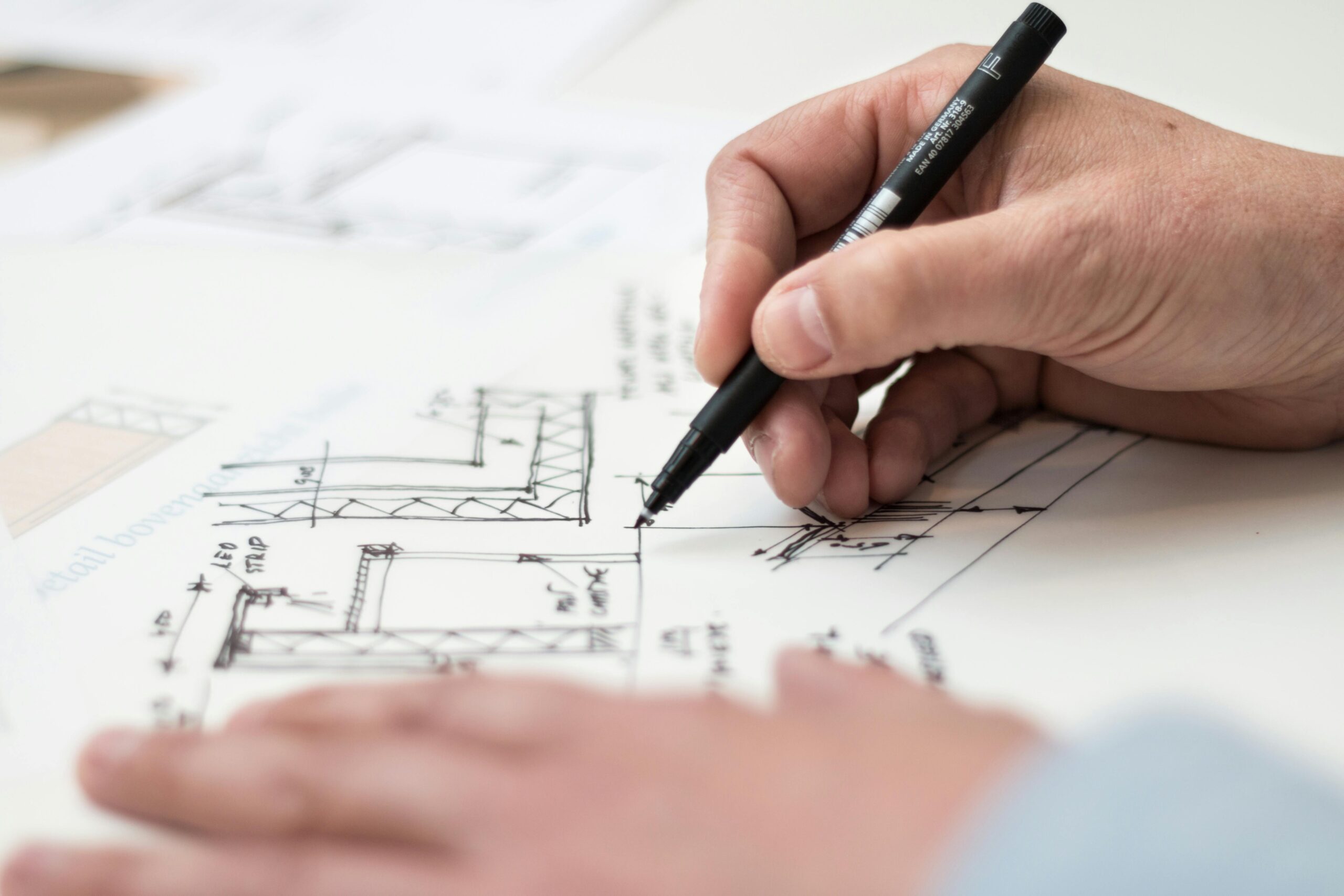
The first step is always the most crucial, and you do it before you ever pick up a shovel. You need a plan. If you don’t plan, you’ll wind up with a mess that needs to be fixed all the time.
1. Analyze Your Environment
Bring a journal and go for a walk outside. Check out where the sun is at 10 AM and 4 PM. Find out which parts stay wet after a downpour and which ones dry out right away.
The National Wildlife Federation says that knowing your local environment is the key to a healthy garden. It will be hard for a plant that likes the light to grow in a damp, dark spot. A plant that is having trouble is a high-maintenance plant.
2. Define Your “Living Zones.”
Think about how you really use your yard. Do you need a place for the kids to play? A quiet corner to read? A big patio for barbecuing?
You can give hardscaping in busy locations more importance by defining these “zones.” This automatically lowers the quantity of “green space” that needs to be mowed or watered.
3. Simplify the Shape
Make your garden beds easy. Stay away from sharp, complicated edges or little islands of grass. Long, smooth curves or straight lines are considerably easier to mow and take care of than complicated designs.
The Power of Hardscaping: Your New Best Friend
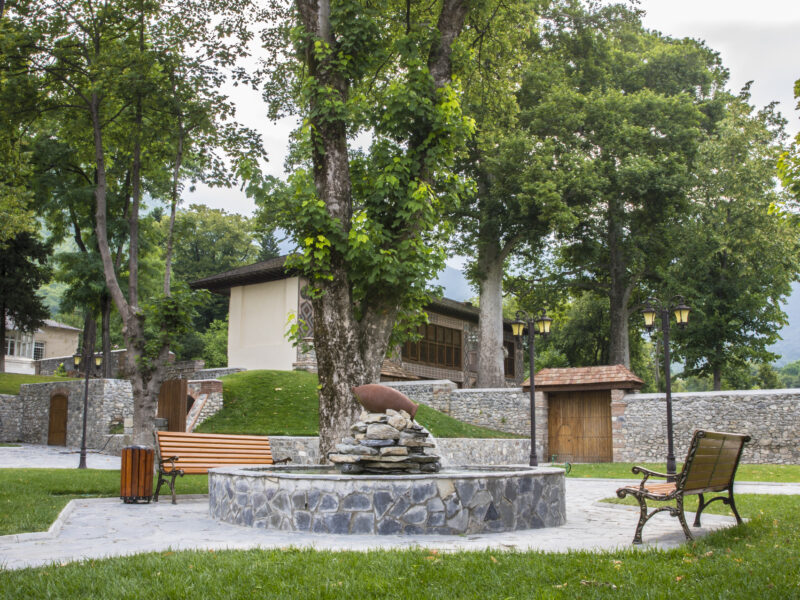
You need to learn about hardscaping if you want to know how to make a backyard landscape design plan that doesn’t need much work. The non-living parts of your yard, like patios, decks, stone walks, and retaining walls, are called hardscaping.
Expand Your Patio
You don’t have to mow every square foot of patio. A high-quality stone or paver patio is a great way to add a living space that doesn’t need any work. You only need to sweep or power wash it once a year.
Use Gravel and River Rock
Gravel is not given enough credit. It’s inexpensive, drains well, and looks modern. You can use it for side pathways, beneath decks, or even as a mulch substitute in some flower areas.
Built-in Planters
Instead of having pots all over the place that need to be watered every day, think about built-in stone planters. They keep moisture longer and give your home a clean, ordered look.
Choosing Plants That Actually Want to Live
This is where a lot of folks make mistakes. They buy things that seem nice in the large box retailer without looking at the label. You need “tough-as-nails” plants for a plan that doesn’t need much care.
Go Native or Go Home
When it comes to low-maintenance design, native plants are the best. They have spent thousands of years getting used to your soil, climate, and pests. They don’t need costly fertilizers or a lot of care all the time.
The Lady Bird Johnson Wildflower Center can help you find out which plants are native to your zip code. Once they are established, they usually only need rain to stay alive.
Embrace Perennials
Annuals are a con. You buy them, plant them, they bloom for a few months, and then they die. That’s a lot of work for a small payoff.
Stick to perennials—plants that come back year after year. Look for varieties like:
- Lavender: Smells great, drought-tolerant, and hardy.
- Coneflowers (Echinacea): Tough, colorful, and attract butterflies.
- Hostas: Perfect for shade and virtually indestructible.
- Ornamental Grasses: They add height and movement without needing any pruning until late winter.
Group Plants by “Hydrozones”
Put the plants that need water together and the people who live in the desert together. This is known as hydrozoning. It stops you from overwatering one plant only to keep its neighbor alive.
Rethink the Traditional Lawn
The classic green lawn is the most work-intensive part of any backyard. It needs to be mowed, watered, fertilized, and weeded all the time. It’s time to rethink the lawn if you really want a plan that doesn’t need any work.
Artificial Turf
The plastic-looking substance from the 1970s isn’t what modern artificial turf is made of. It looks very natural and stays green all year without needing any water. It’s great for people who have pets or small backyards in the city.
Clover Lawns
Clover is coming back in a big way. It stays green even when it’s hot, doesn’t need much mowing, and actually adds nitrogen to the soil, so you don’t need to use fertilizer. Also, it’s pleasant on the feet, and the blossoms are great for bees.
Ground Covers
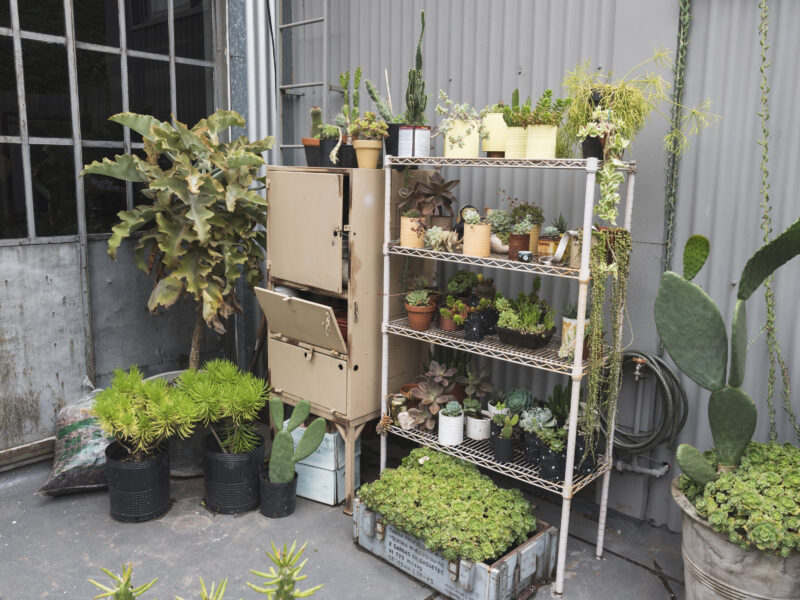
Plant a spreading ground cover like Creeping Thyme or Sedum on a slope or in a place that’s hard to mow. These plants make a thick carpet that keeps weeds from growing and never needs to be mowed.
Smart Solutions for Irrigation and Mulch
No matter how good a design is, it needs some water and protection. But you shouldn’t be the one with the hose.
Drip Irrigation is a Game Changer
Put in a drip irrigation system instead of sprinklers that waste water by evaporating it. It brings water right to the roots of your plants. You can literally forget about watering for the remainder of the season if you connect it to a smart timer.
The Magic of Mulch
Don’t ever leave Earth naked. Weeds love bare soil. A dense covering of organic mulch, such as cedar bark or pine needles, does three things:
- Suppresses weeds: It blocks the sunlight they need to sprout.
- Retains moisture: You’ll water 50% less often.
- Regulates temperature: It keeps roots cool in the summer and warm in the winter.
Common Mistakes to Avoid in Your Design
A lot of individuals have tried to go low-maintenance and failed because of a few basic mistakes. Here are some things to look out for:
- Over-planting: It’s tempting to pack plants in for an “instant” look. But plants grow. If you crowd them, they’ll get diseased or outgrow their space, forcing you to prune constantly.
- Ignoring Drainage: If water pools in your yard, it will kill your plants and ruin your hardscaping. Always ensure your plan accounts for where the water goes.
- Choosing Invasive Species: Some plants grow too well. Avoid things like English Ivy or certain types of bamboo unless you want to spend the rest of your life trying to stop them from eating your house.
Creating a Low-Maintenance Backyard Landscape Design Plan
If you’re looking for a quick checklist to get started, here it is:
| Step | Action Item | Why It Matters |
| 1 | Map Your Yard | Identifies sun/shade and drainage issues. |
| 2 | Install Hardscaping First | Sets the layout and reduces the mowable area. |
| 3 | Select Native Perennials | Ensures plants thrive with minimal help. |
| 4 | Apply Heavy Mulch | Stops weeds and saves water. |
| 5 | Automate Watering | Removes the daily chore of irrigation. |
Wrapping It Up
In the end, understanding how to make a low-maintenance backyard landscape design plan is all about getting your time back. You don’t need a degree in botany to make your yard look great. You need to stop battling the environment and start working with it.
Choose hardscaping for the “heavy lifting,” pick plants that suit your soil, and set up automatic watering for the mundane tasks. Before you know it, you’ll be the one lounging on the patio and enjoying the view while your neighbors are still pulling weeds.
Frequently Asked Questions
What is the cheapest low-maintenance landscaping?
Gravel and mulch are your best friends here. Using large areas of wood chips or pea gravel combined with native “set and forget” shrubs is the most budget-friendly way to cut down on work.
How can I landscape my backyard myself on a budget?
Start small. Focus on one “zone” at a time. This year, you build the fire pit area with pavers, and next year, you tackle the garden beds. Doing the labor yourself saves a fortune, and buying younger plants is cheaper than purchasing mature ones.
What are the best low-maintenance plants for full sun?
Look for succulents, ornamental grasses, and Mediterranean herbs like Rosemary or Sage. These thrive in the heat and don’t mind a bit of neglect.