
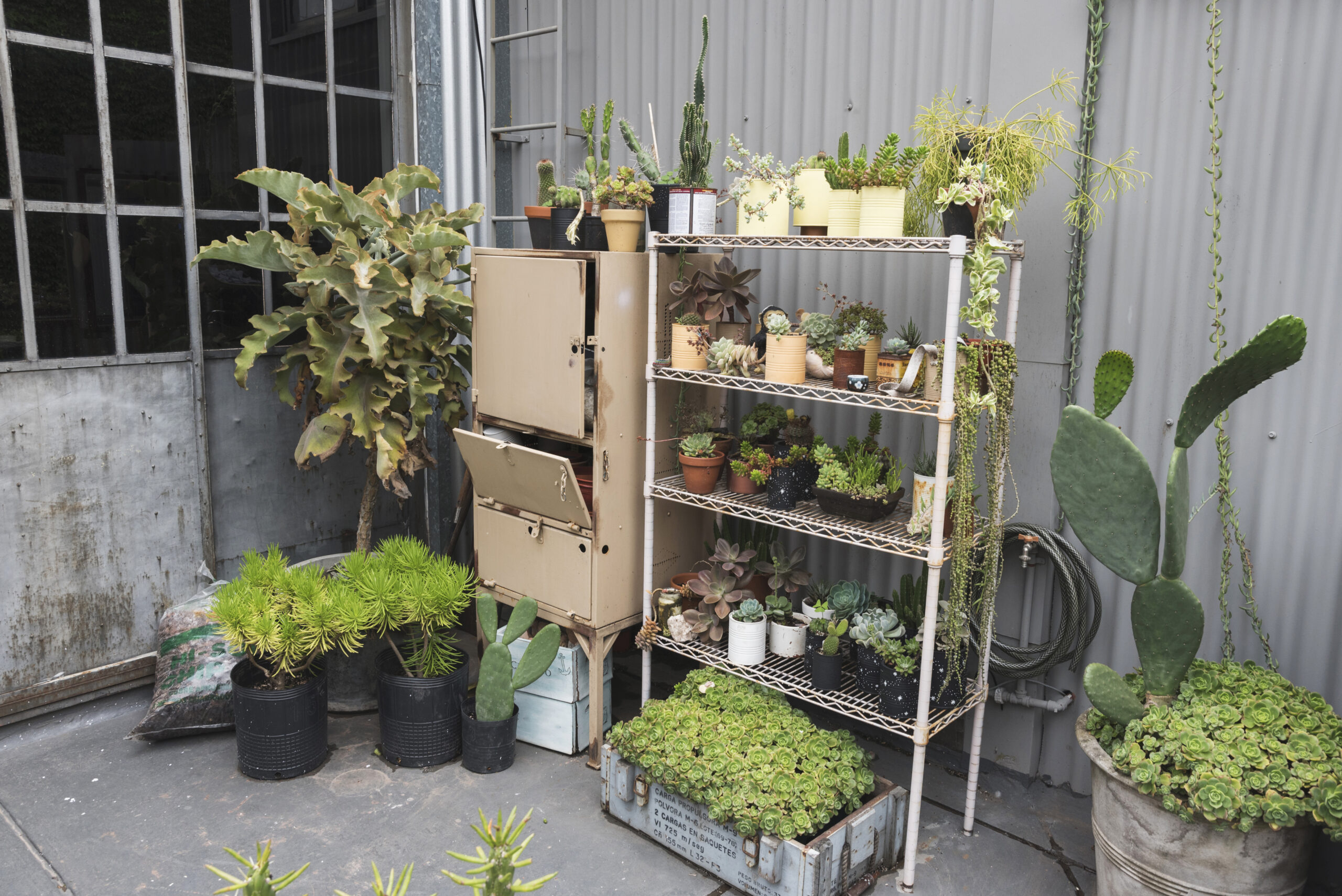
I was looking at my backyard the other day and realized it looked like a complete wreck. Between the children’s toys, the rusted garden tools, and the odd sacks of mulch, I could hardly see the grass. It’s strange how we devote so much effort to our home interiors while allowing the exterior to become a graveyard for items we don’t know where to put.
Before we get into the details, let’s discuss the feel we’re looking for. We want a space that seems like a getaway, rather than a work list staring you in the face.
Having the correct outdoor storage ideas that make backyards look cleaner might mean the difference between a yard you want to hold a BBQ in and one you want to hide from your neighbors.
Why Does Your Backyard Always Feel Cluttered?
The first thing we have to recognize is that backyards attract “transient” goods. These are items that come out for an hour, such as a soccer ball or a lawn chair, and then remain on the grass for three weeks. Without a designated “home” for these items, your yard will always feel cluttered, regardless of how regularly you mow the lawn.
Another issue is the “visual weight” of random items. Even if items are lined up against a wall, they still appear cluttered if they are not tucked away. In reality, a pile of neatly placed pots remains a pile of pots. We need methods to hide the mess.
We frequently forget about vertical space. Most people think just of the ground. When you start looking at your fences and walls as storage opportunities, the entire game changes. It’s all about making the best use of your existing real estate.
What Are the Best Outdoor Storage Ideas for a Cleaner Look?
Here’s a breakdown of what truly works to clear a yard quickly:
- Multifunctional furniture: Benches and coffee tables with hidden compartments.
- Vertical tool racks: Getting the shovels and rakes off the floor and onto the wall.
- Deck boxes: The “catch-all” for cushions and pool toys.
- Sunken storage: Utilizing the space under your deck.
- Privacy screens with shelving: Hiding the AC unit or trash cans while adding storage.
- Weatherproof resin sheds: Small-scale lockers for heavy equipment.
Deck Boxes: The Unsung Heroes of the Patio
Let’s discuss the deckbox. This is the easiest victory you can obtain. If you have patio furniture, you most likely have cushions. And if you have cushions, you know how filthy they get when left out in the rain.
A high-quality deck box functions as a gigantic rubbish drawer for your yard, but in a good way. You can quickly add the cushions, citronella candles, and children’s bubble wands. It’s the quickest method to make a patio appear “reset” for visitors.
When searching for one, seek “extra-large” options made of UV-protected resin. Wood looks beautiful, but unless it’s teak or cedar, it will rot in a few years. Resin practically looks new forever with a short spray of water. Furthermore, many of these boxes are durable enough to serve as additional seating when you have a full house.
How to Organize a Deck Box?
Don’t just toss something in there like a salad. Inside the deck box, use smaller plastic containers to segregate “pool stuff” from “grill stuff.” This eliminates the need to dig to the bottom each time you need a lighter.
Multifunctional Furniture: The 2-for-1 Special
If you have a small backyard, there isn’t a place for a large shed. This is where multifunctional furniture truly shines. Why buy a traditional bench when you can get one that opens up to hold your lawn games?
I’ve recently seen some wonderful “storage coffee tables” that appear to be made of high-end wicker or wood but are hollow on the inside. You may keep your outside rugs and even extra firewood in there. It is completely unnoticeable to anyone visiting.
Consider this: you’re essentially burying your mistake within the items you were initially planning to purchase. That is peak efficiency. According to Better Homes & Gardens, adopting dual-purpose furniture is one of the best ways to utilize tiny outdoor spaces.
Vertical Storage: Using the Walls
Most individuals keep their fences entirely naked. That is a tremendous waste of space. Installing heavy-duty hooks or a slat-wall system will allow you to get every long-handled tool off the ground.
Getting shovels, rakes, and edgers off the floor accomplishes two tasks. First, it eliminates the “clank” of tools falling over as you go past. Second, it clears the floor, making a shed or garage feel twice as spacious.
You can even employ vertical space as “living storage.” Consider setting up a vertical herb garden. It keeps your plants off the patio floor and transforms a plain wall into a central point. Storage enhances the charm of the yard.
Hidden Storage Under the Deck
The space under your deck is generally home to spiders and weeds. If your deck is elevated by even two or three feet, you have a tremendous amount of storage space just sitting there.
You can construct lattice panels with a “hidden door” to accommodate wheelbarrows, ladders, or kayaks. These are the large, unsightly items that typically damage the appearance of a backyard. Tucking them under the deck protects them from the elements and keeps them out of sight.
If you want to go the extra mile, you can also construct a “dry space” system beneath the deck planks. This stops water from trickling through, converting the crawl area into a completely dry storage locker. This Old House provides some excellent videos on how to waterproof your under-deck area successfully.
The “Ugly” Stuff: Hiding Trash Cans and AC Units
Nothing kills the “zen” vibe of a backyard like a row of plastic trash cans or a loud, metal air conditioner compressor. Even if they’re clean, they’re still an eyesore.
The solution is a privacy screen, sometimes known as a “trash corral.” You can purchase pre-made wooden or vinyl screens that bolt into the ground. They block the view of the cans while allowing sufficient airflow for the AC unit to function correctly.
I particularly prefer screens with built-in pots on top. It gives the “hidden” area the appearance of an intentional piece of landscaping, rather than an explanation for your garbage cans. It’s all about misinformation.
How to Choose Materials That Won’t Rot?
I’ve previously made the mistake of purchasing low-quality wooden storage boxes. After one winter, the lid warped and the bottom became a soggy mess. If you want outdoor storage solutions that can keep your garden looking tidy over time, you must be cautious about materials.
- Resin/Plastic: The MVP. It won’t rust, peel, or rot. Look for “double-walled” construction for extra strength.
- Teak: The gold standard for wood. It has natural oils that repel water. It’s pricey, but it lasts decades.
- Galvanized Steel: Great for sheds, but make sure it has a good coating to prevent rust in salty or humid air.
- Cedar: A solid middle-ground for wood. It smells excellent and resists bugs naturally.
Organizing the Small Stuff: Toys and Garden Gear
If you have children, you’ve experienced the “toy creep.” It begins with a single ball and finishes with a plastic slide, three bats, and a bucket of sand toys spread around the yard.
For minor items, I recommend “rolling carts.” You can purchase mesh rolling bins that allow toys to dry out (preventing mold growth) and then wheel the entire thing into the garage or shed each night. It takes two minutes and prevents the grass from withering beneath discarded toys.
For gardening supplies, consider a “potting bench” with drawers. Rather than leaving your trowels and gloves on a random shelf, store them away. It provides you with a specialized workstation while limiting clutter to a single “zone.”
Sheds: When You Need to Go Big?
Sometimes a deck box isn’t enough. If you have a lawnmower, a snowblower, or a mountain of bikes, you’ll need a shed. But a shed does not have to be a massive metal structure that resembles a prison cell.
The current trend is “modern lean-to” sheds. These include a flat, angled roof and a slender silhouette. You can’t tuck them right against the side of the home. If you paint the shed the same color as your house, it will almost disappear visually.
Inside the shed, don’t simply pile items. Use overhead racks for items that are only used once a year, such as holiday lights or camping equipment. The most crucial guideline of shed organizing is to keep the floor clear. For more information on high-end shed designs, visit Architectural Digest.
Maintenance: Keeping the “Clean” Look
Purchasing the storage is only half the battle. You actually have to utilize it. Every Sunday evening, I recommend a “5-minute sweep”. Walk the yard and place everything back in its proper box or rack.
This isn’t a deep clean because you’ve already designated a “home” for everything; instead, it’s a reset. When you wake up Monday morning and glance out the window, you see a clean, orderly place rather than a list of responsibilities.
Also, once a year, scrub your storage containers. If resin is kept in the shade, it may develop algae. A simple wash with soapy water and a brush keeps everything looking new and prevents the “dingy” appearance that makes a yard feel ancient.
Final Thoughts on Backyard Organization
Your backyard should be a location where you can rest. It’s challenging to do this when you’re surrounded by clutter. You’re not just tidying up with these outdoor storage ideas that make backyards look cleaner; you’re also regaining your area.
Whether you opt for a big hidden under-deck system or just a few smart deck boxes, consistency is crucial. Choose weather-resistant materials and patterns that complement your current decor.
A clean backyard makes your entire property seem larger and more valuable. You’ll also no longer have to worry about losing your favorite garden trowel every time you go to plant flowers. All parties benefit from this arrangement.