Choosing the right gear for your yard feels a bit like picking a gym membership—you want the results, but how much sweat are you actually willing to put in? For most homeowners, the debate between Manual vs Power Garden Tools isn’t just about price tags.
What Are Manual Garden Tools and Who Should Use Them?
Manual tools are exactly what they sound like—gear that runs on “elbow grease.” Think of the classic spade, the hand-cranked seed spreader, or the old-school reel mower that your grandpa used. There’s no cord, no battery, and definitely no gas tank.
For many, these tools represent the “purist” way to garden. If you have a tiny urban plot or just a few flower beds, dragging out a heavy power tool might actually take longer than just doing the job by hand.
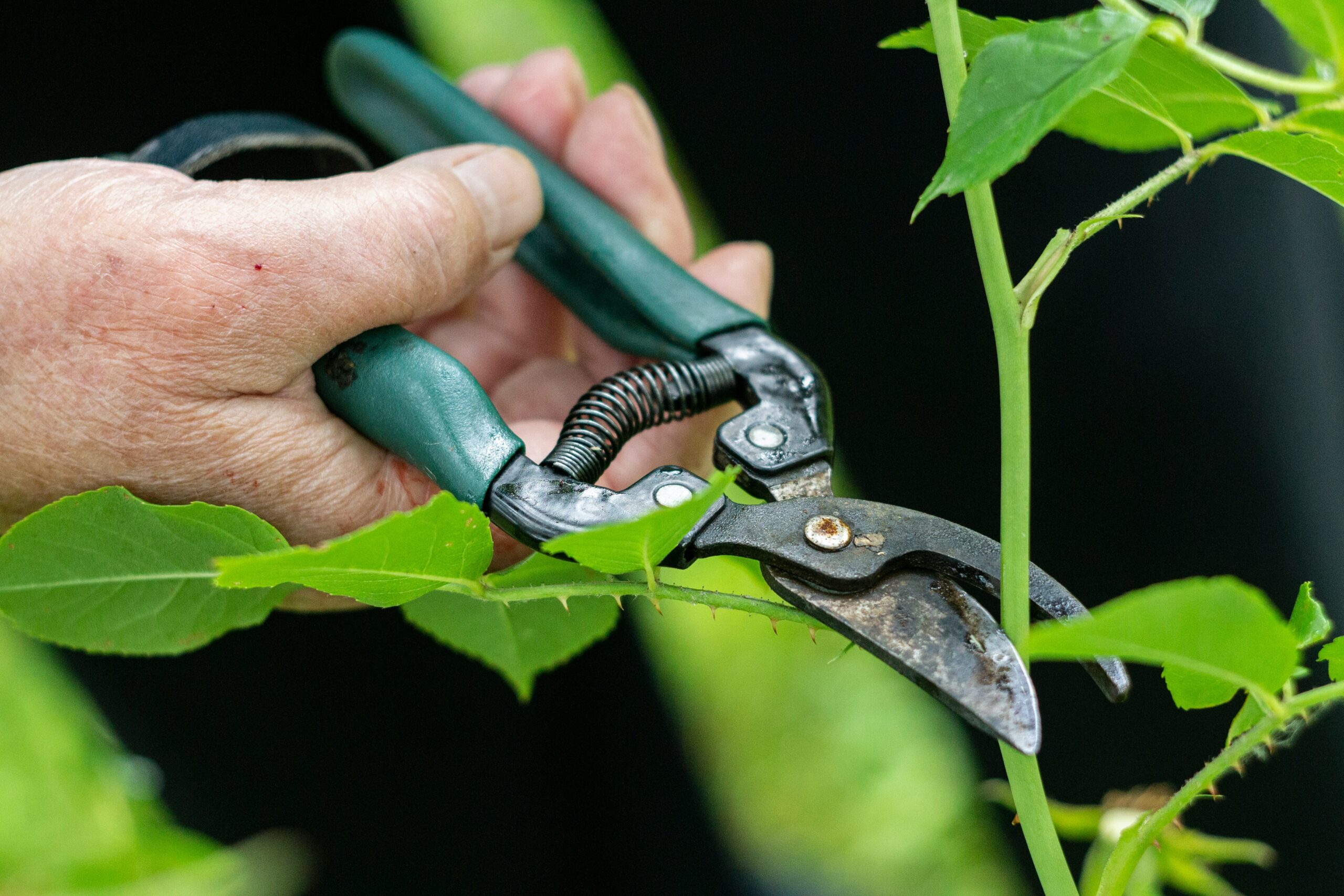
Manual tools give you a level of tactile feedback that machines just can’t mimic. When you’re pruning a delicate rose bush, you want to feel the branch give way under your grip, not just blast through it with a motorized blade.
The Major Perks of Staying Manual
-
Total Silence: You can garden at 6 AM without your neighbors calling the cops.
-
Zero “Hidden” Costs: You buy a shovel once, and it works until it snaps or you lose it. No charging bills or $5-a-gallon gas runs.
-
Built-in Workout: Who needs a treadmill when you’re pushing a reel mower or digging out stubborn dandelions?
-
Precision and Control: Great for tight spaces where a power trimmer might accidentally take out your favorite hydrangeas.
The Rise of Power Garden Tools: Are They Worth the Investment?
If manual tools are the “slow food” of gardening, power tools are the high-speed delivery service. They’ve come a long way from the days of smoky, temperamental gas engines. In 2026, the market is dominated by cordless battery technology. These machines are lighter, quieter, and more powerful than ever before.
For homeowners with medium to large yards, power tools aren’t just a luxury—they’re a sanity saver. Imagine trying to rake an acre of oak leaves versus using a high-velocity leaf blower. One takes a weekend and a back brace; the other takes an hour.
Why Power Tools Are Winning the Market?
-
Sheer Speed: Tasks that used to be “all-day events” are now “pre-lunch chores.”
-
Physical Ease: If you have back issues or just don’t want to be drenched in sweat, a self-propelled mower or electric edger is a no-brainer.
-
Consistent Results: Machines don’t get tired. The last foot of your hedge will look just as clean as the first foot.
-
The “Cool” Factor: Let’s be honest, using a high-end chainsaw or a robotic mower that does the work while you sit on the porch is just fun.
Manual vs Power Garden Tools: A Side-by-Side Comparison
When you’re trying to decide, it helps to look at the cold, hard facts. Here’s how these two categories stack up across the most important categories for a typical homeowner.
| Feature | Manual Tools | Power Tools (Electric/Battery) |
| Upfront Cost | Low ($10 – $200) | Moderate to High ($150 – $1,500+) |
| Operating Cost | Practically Zero | Cost of charging/Battery replacement |
| Maintenance | Minimal (Clean & Sharpen) | Moderate (Battery care, motor checks) |
| Noise Level | Silent | Low to Moderate |
| Effort Required | High (Physical) | Low to Moderate |
| Ideal Yard Size | Small / Urban | Medium to Extra-Large |
According to recent data from gardening industry reports, the shift toward battery-powered gear has lowered the “noise floor” in suburbs significantly, making power tools a more viable option for people who live close to their neighbors.
Which Is Better for Your Garden Size?
This is the big question. You don’t want to be the person trying to mow a football field with a manual push mower, but you also don’t need a $2,000 riding mower for a patch of grass the size of a postage stamp.
Small Yards (Under 2,500 sq ft)
If you live in a city or a townhouse, manual tools are often the winner. A simple reel mower and a set of hand-held bypass pruners are all you really need. You’ll save money, and you won’t have to find space in a tiny shed for bulky batteries or chargers.
Medium Yards (2,500 to 10,000 sq ft)
This is the “sweet spot” for cordless electric tools. A 40V or 80V mower can usually handle a yard this size on a single charge. You get the speed of a power tool without the headache of gas and oil. However, keep a few manual hand tools around for weeding and detail work around your flower beds.
Large Properties (Over 10,000 sq ft)
Once you cross the quarter-acre mark, manual labor becomes a part-time job. You’ll want high-capacity power tools. While battery tech is great, some homeowners with massive properties still opt for gas-powered gear for the unlimited runtime—just refill and go. Or, better yet, look into robotic lawn mowers, which are becoming the go-to for hands-off maintenance in 2026.
Maintenance and Longevity: Which Tools Last Longer?
Here’s where manual tools usually take the trophy. A well-made steel shovel or a set of forged shears can literally last for decades. My neighbor is still using a rake his dad bought in the 90s. The maintenance is basically “wipe the dirt off and don’t leave it in the rain.”
Power tools, on the other hand, have a shelf life. Even the best lithium-ion batteries start to lose their “oomph” after 3 to 5 years of regular use. Replacing those batteries can sometimes cost half as much as the tool itself.
Manual Tool Maintenance Checklist:
-
Cleaning: Wash off sap and soil after every use.
-
Sharpening: Use a whetstone or file on blades once a season.
-
Oiling: A light coat of WD-40 or linseed oil on metal parts prevents rust.
Power Tool Maintenance Checklist:
-
Battery Care: Don’t store batteries in freezing garages or blistering sheds.
-
Software Updates: Yes, even mowers have firmware now! Keep them updated.
-
Blade Inspection: Power blades spin fast—any chips or cracks can be dangerous.
The Environmental and Health Impact of Your Choice
In 2026, we’re all a bit more conscious of our footprint. If you’re looking to be the “greenest” gardener on the block, the choice seems obvious, but there’s a bit of nuance.
Manual tools are the gold standard for eco-friendliness. They produce zero emissions and don’t require the mining of rare-earth minerals for batteries. They also protect soil health; heavy mowers can compact the ground, making it harder for water and air to reach the roots.
Power tools are getting cleaner. If you’re switching from an old 2-stroke gas mower to an electric one, you’re doing the planet a huge favor. According to the EPA, small gas engines are surprisingly “dirty” compared to cars, often emitting more pollutants in an hour than a modern sedan does over a 100-mile trip.
From a health perspective, manual tools give you a cardiovascular boost. However, they can also lead to repetitive strain injuries or back pain if you aren’t careful. Power tools reduce that physical load but introduce risks like noise-induced hearing loss or vibration-related nerve issues. Always wear your ear protection and gloves!
The Cost Factor: Upfront vs. Long-Term
Let’s talk money. A manual reel mower might set you back $130. A decent battery-powered push mower? You’re looking at $400 to $700.
But wait—you have to look at the “total cost of ownership.”
-
Manual: You pay $130 once. Maybe $10 for a sharpening kit in three years. Total: $140.
-
Electric Power: You pay $500. You spend maybe $5 a year on electricity. But in 2029, you might need a new $150 battery. Total over 5 years: $675.
-
Gas Power: You pay $350. You spend $40 a year on gas, $20 on oil/spark plugs, and maybe $50 on a professional tune-up. Total over 5 years: $800+.
If you’re on a strict budget, manual tools are the undefeated champions. But if your time is worth $50 an hour and a power tool saves you 20 hours a year… well, the machine pays for itself in a single season.
Strange Rankings: Why Some Tools Get Snubbed
It’s funny how people rank “best tools.” Often, high-end manual tools like Hori Hori knives or Dutch hoes get ranked lower than cheap electric weed whackers just because they aren’t “fast.”
I’ve seen lists where a $15 manual hand-weeder is at the bottom, while a bulky, plastic “electric weeder” is at the top. In reality, that $15 hand tool will probably outlast the plastic machine and do a better job of getting the taproot out.
Don’t always trust the “Best of 2026” lists that only focus on gadgets. Sometimes the simplest tool is actually the high-performance choice.