
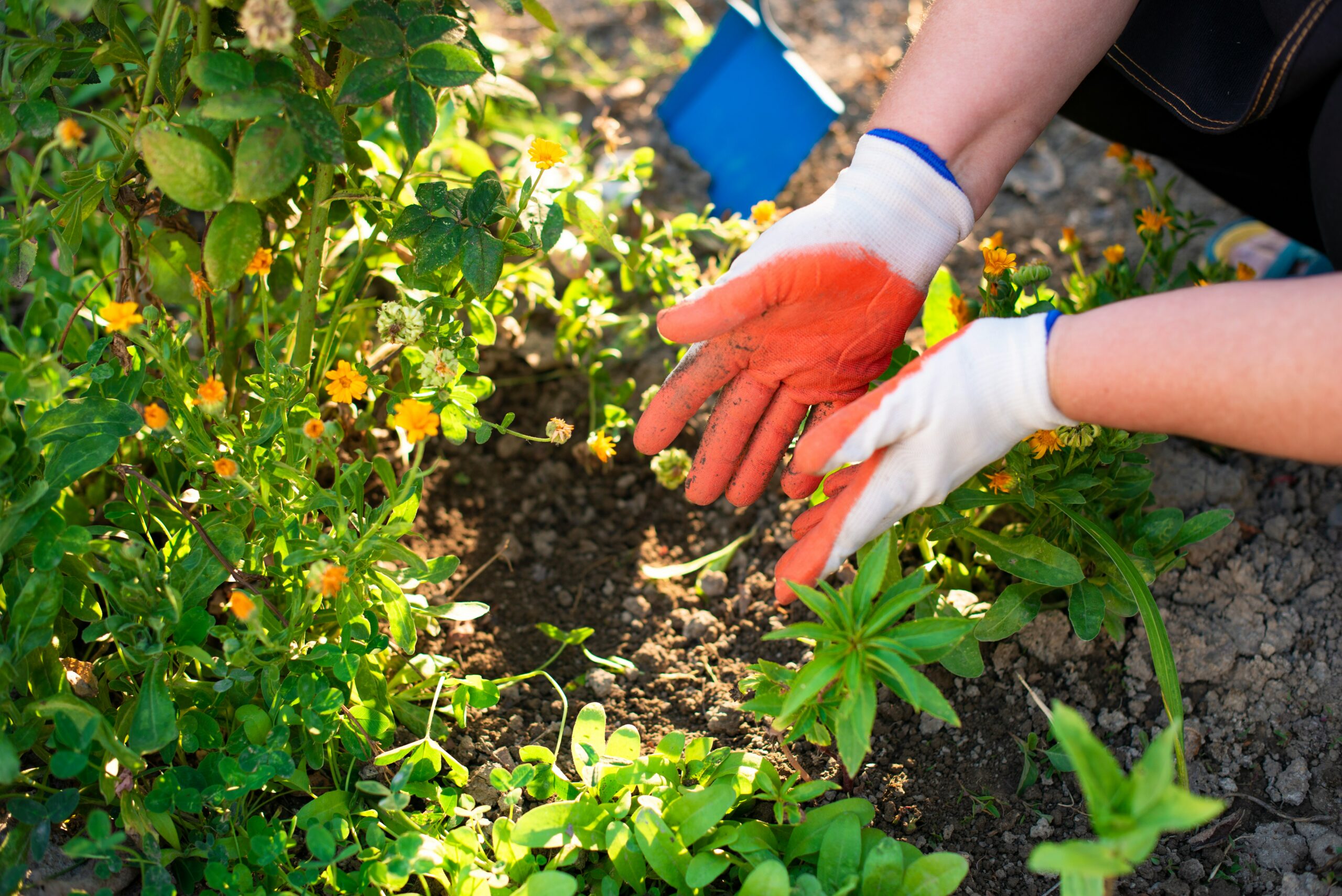
The short answer is: it depends on what you mean by “flowers” and where you’re standing. If you’re hoping for a burst of instant color from tender annuals you’d usually plant in May, then yes, in many climates, October is too late.
But if you’re willing to work with the season rather than against it, October is actually one of the most powerful planting months of the year.
I’ve made the mistake of treating October like a deadline, a last chance to squeeze in one more planting before the garden dies. That thinking misses the point entirely. October isn’t the end of the gardening year. For some flowers, it’s the beginning.
The Two Kinds of October Planting
The confusion around October planting stems from conflating two completely different goals. Before you put anything in the ground, you need to decide which of these you’re after:
1. Instant Color (Right Now, This Season)
If your hanging baskets look tired and you want something blooming on your porch for Halloween, you’re looking for cool-season annuals that are already in flower.
These are plants at the end of their lifecycle. Nurseries grow them in late summer, hold them at the flowering stage, and sell them in October for immediate impact.
These will not last forever. They’ll give you six to ten weeks of color, then die when hard frost hits or run out of steam. That’s fine, you’re paying for instant gratification, not permanence.
2. Next Year’s Show (Spring and Beyond)
This is where October really shines. Many of the most reliable spring flowers require a fall planting. They need winter chill to trigger flowering, or they need time to establish root systems before summer heat arrives. You plant them now, they sit quietly underground all winter, and they explode in spring.
You get no visible payoff until next year. That’s the trade-off. But the plants are usually cheaper, and the results are more dramatic than anything you can buy in a nursery pot next April.
What You Can Actually Plant in October?
Let’s break this down by what the plants are doing, not just by name. The categories matter more than the specific varieties.
For Immediate Autumn Color
These are plants bred or selected to perform in cooling temperatures and shorter days. They’re what you see filling garden centers in October, and they’re genuinely worth planting now, provided you’re realistic about their lifespan.
Pansies and Violas are the workhorses here. I’ve planted pansies in early November (in zone 7) and gotten blooms through December, then again in February. They’re remarkably cold-tolerant. The key is buying plants with tight, compact growth and unopened buds—not plants that are already maxed out and spilling everywhere. Those are past their peak.
Chrysanthemums are trickier. Most garden mums sold in October are treated as disposable. They’re grown with growth regulators to keep them compact, and they’re usually root-bound in those little pots. If you plant them in the ground, they might survive the winter, but they’ll likely come up leggy and misshapen next year. I treat October mums as seasonal decor, enjoy them, then compost them. If you want perennial mums, buy them from a reputable nursery in spring and plant them then.
Ornamental cabbage and kale are nearly indestructible in cool weather. They’re not flowers, but they provide color through foliage, and they look good until temperatures drop into the teens. They’re also cheap—you can fill a large pot for under $15.
Asters are worth special mention. Many gardeners overlook them, but they’re perennials that come back year after year and bloom reliably into October. Unlike mums, they’re not forced; they naturally flower late. If you plant them now, you’ll get immediate color and long-term value.
For Spring Bloom (Bulbs and Biennials)
This is where October is not just acceptable but optimal. If you wait until spring to plant these, you’ll get nothing but leaves.
Daffodils are the single best thing you can plant in October. They’re foolproof, deer- and rodent-resistant (unlike tulips, which voles treat as underground buffets), and they multiply over time. I’ve lost entire tulip plantings to critters, hundreds of bulbs gone by spring. Daffodils? Never touched.
Plant them pointy side up, about three times as deep as the bulb is tall. In heavy clay soil, go slightly shallower and amend with compost. Space them four to six inches apart, but plant them in drifts—clumps of five to seven bulbs—rather than in straight lines.
Tulips can be planted in October, but in warmer climates (zones 8 and above), you’re better off waiting until November or even December. They need cold to bloom properly, but they also rot in warm, wet soil. If you’re in the South, stick your tulip bulbs in the refrigerator for 6 to 8 weeks (not the freezer, and away from apples—ethylene gas ruins them), then plant in December or January.
Hyacinths, crocus, snowdrops, and alliums all go in now. The smaller bulbs—crocus, snowdrops—can be planted shallower, about three inches deep. Alliums should go 6 to 8 inches deep, depending on bulb size.
Biennial flowers like foxgloves, sweet William, and hollyhocks can be planted now if you find transplants. They’ll form a low rosette of leaves this fall, go dormant over winter, and send up flower spikes next spring. If you sow seeds now, they may or may not establish before winter—it’s riskier. I prefer to start biennials in late summer or buy transplants in fall.
For Next Summer (Perennials)
October is excellent for planting perennials, provided you’re not in a region where the ground has already frozen. The soil is still warm enough for root growth, but the air is cool enough that the plants aren’t stressed by heat.
The trade-off: You need to water them in well and mulch after the ground freezes. Perennials planted in fall need winter mulch to prevent frost heaving—the freeze-thaw cycle that can push new plants right out of the ground.
Peonies are a classic fall-planting candidate. They’re bare-root in October, and they establish better when planted now than in spring. Just don’t plant them too deep—the eyes (the pinkish buds on the roots) should be no more than two inches below the surface. Deeper, and they won’t bloom.
Daylilies, irises, and Shasta daisies can be divided and transplanted now. If you have existing clumps that have gotten crowded, October is a perfect time to split them. You’ll have smaller plants next year, but they’ll be healthier in the long term.
The Zone Reality Check
Your USDA Hardiness Zone determines everything about October planting. Here’s how the advice changes:
Zones 3-5 (Cold Winters): You’re racing the freeze. Bulbs are fine—they need the cold. But perennials and biennials need to be in the ground by early October at the latest. By late October, the ground may be frozen or about to freeze. Container planting is safer now; you can move pots to protected spots.
Zones 6-7 (True Temperate): October is ideal for most planting. Soil is workable, temperatures are moderate, and you have until November before hard freezes arrive. This is the sweet spot.
Zones 8-10 (Mild Winters): You can plant through November and into December. The challenge here isn’t cold—it’s that winters are often wet. Good drainage becomes critical. Raised beds or containers may perform better than in-ground planting.
Zone Reality Example: A gardener in Minnesota (zone 4) planting pansies in October is wasting money—they’ll freeze solid within weeks. The same gardener planting daffodils is being smart. A gardener in Atlanta (zone 8) planting pansies in October will enjoy them until February.
The Practical How-To: October Planting Essentials
If you’re planting in October, a few things need to be done differently from spring planting.
Soil Temperature Matters More Than Air Temperature
In spring, we watch the air temperatures. In the fall, soil temperature is what counts. Bulbs need soil below 60°F but not frozen—typically six to eight weeks before the ground hardens. You can measure with a simple soil thermometer ($10-15 at garden centers). If the soil is still in the 70s, wait a couple of weeks.
Planting Depth Is Non-Negotiable
For bulbs, depth is about protection and flowering. Too shallow, and they freeze or get pushed out. Too deep, and they expend all their energy reaching the surface. The general rule: plant two to three times the bulb’s height.
For container-grown perennials, plant at the same depth they were in the pot. Burying the crown (where stems meet roots) invites rot over winter.
Water Differently
October soil is usually moister than summer soil, but you still need to water newly planted plants thoroughly. Then—and this is where people go wrong—you need to keep watering until the ground freezes if it’s dry. Roots grow in the fall until soil temperature drops below 40°F. If October is dry, your new plants are stressed.
But don’t keep them soggy. Saturated soil over winter kills more plants than cold does.
Mulch at the Right Time
Winter mulch for insulation is different from summer mulch. Wait until the ground freezes, usually late November or December for most regions, then apply mulch. If you mulch too early, you insulate the soil and keep it warm, which can confuse plants and delay dormancy.
You want the ground frozen, then mulch to keep it frozen. This prevents the heaving that damages roots.
Common October Planting Mistakes (I’ve Made All of These)
Buying plants that are already finished. Those beautiful mums at the big-box store? Look closely. If they’re root-bound, if the lower leaves are yellow, if they’re clearly exhausted—they won’t rebound. Spend the extra dollar or two at a local nursery that actually grows its own.
Planting too late for root establishment. Perennials need time to grow roots before the ground freezes. That’s usually four to six weeks. If you’re planting in late October in zone 5, you’re gambling. The plants might make it, but they’ll be weaker next year.
Forgetting to label. I cannot stress this enough. You will forget where you planted those alliums. By March, you’ll be digging in that spot and wondering why you’re hitting bulbs. Use a permanent marker on plastic stakes, or draw a map. In the future, you will be grateful.
Ignoring drainage. If you have heavy clay, October planting is risky. Water sits, bulbs rot, perennials drown. Amend with compost or plant in raised beds. The extra effort now saves heartache in spring.
Regional Planting Guide for October
Here’s a quick reference based on typical October conditions:
| Region/Climate | Plant Now (Flowers) | Wait/Do Differently |
|---|---|---|
| Northeast/Upper Midwest (Zones 3-5) | Daffodils, tulips, alliums, crocus; hardy perennials if planted early Oct | Anything tender; perennials after mid-October |
| Pacific Northwest (Zones 7-9) | Pansies, violas, ornamental kale; all spring bulbs; perennials | Plants needing sharp drainage in heavy winter rain |
| Southeast (Zones 7-9) | Pansies, violas, snapdragons, dianthus; all spring bulbs | Tulips (refrigerate, plant Nov-Dec) |
| South Texas/Gulf Coast (Zones 8-10) | Petunias, dianthus, snapdragons (late Oct); wildflower seeds | Most spring bulbs (need artificial chilling) |
| Southwest/Desert (Zones 7-10) | Cool-season annuals; spring bulbs | Anything that can’t handle wide temperature swings |
| California Coastal (Zones 9-11) | Pansies, calendula, stock; spring bulbs (chilled if needed) | Plants needing extended cold |
The Economics of October Planting
There’s a financial angle here worth understanding.
Spring-planted annuals cost more per square foot because you’re buying mature plants at the peak of nursery season. A six-pack of pansies in May costs about the same as a six-pack in October, but the May plants have their whole season ahead, while October plants have weeks.
Bulbs are the better deal. A bag of 50 daffodil bulbs costs $15-25 and will produce flowers for decades, multiplying over time. Even expensive bulbs like species tulips pay for themselves within a few years.
Perennials planted in October are often discounted at nurseries, clearing inventory. You can get $20 plants for $10 if you’re willing to plant them and accept that they may be smaller next year. It’s a calculated risk—healthy plants at discount are a bargain; stressed plants at any price are not.
October Planting Checklist
If you’re heading to the garden center this weekend, here’s what to look for:
- For containers now: Pansies, violas, ornamental kale, asters (if still blooming), chrysanthemums (as short-term color)
- For spring flowers: Daffodils, tulips (refrigerate in warm zones), hyacinths, crocus, alliums, snowdrops
- For next year’s garden: Foxglove transplants, sweet William, perennial divisions from friends or your own garden
- What to avoid: Root-bound plants, yellowing foliage, anything labeled “tender perennial” in zones 6 and colder, seeds that need warm soil to germinate
The Bottom Line
October is not too late to sow flowers. It’s merely a different planting style.
Investing in bulbs, biennials, and perennials that use winter as part of their natural rhythm is a better option than purchasing short-term plants that will last until Thanksgiving.
The error is treating October as a second spring. Spring planting focuses on immediate growth. October planting requires patience, forethought, and an understanding that the garden calendar does not match the wall calendar.