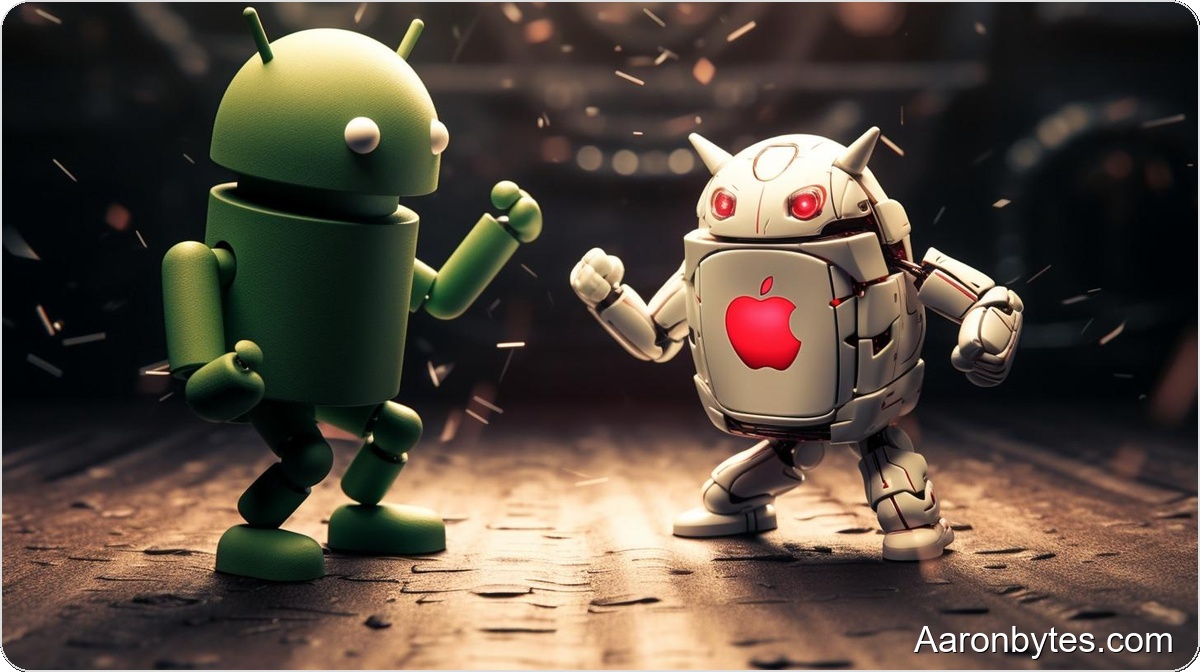
Apple’s latest adoption numbers make one thing clear: iPhone users moved to iOS 18 fast. The majority of iPhones now run the newest OS, while iPad adoption is slower and Android remains widely fragmented.
Apple published official distribution figures showing broad uptake for iOS 18, a respectable but less uniform picture for iPadOS 18, and starkly different numbers across Android versions.
iPhone adoption: iOS 18 dominates
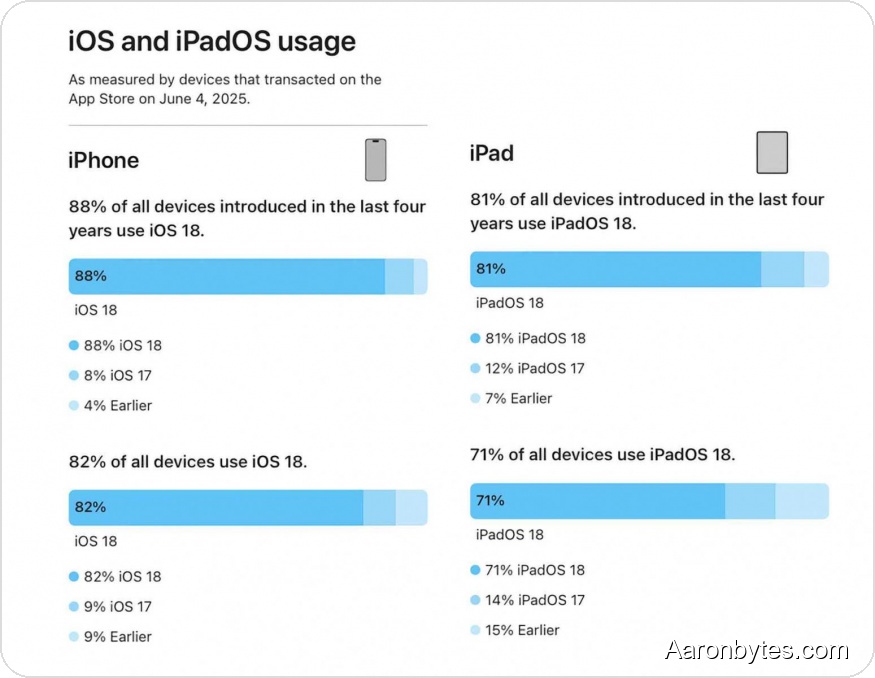
According to Apple’s data, the overwhelming majority of iPhone users are on iOS 18. The company’s tightly integrated hardware and software ecosystem helps drive fast adoption, and Apple’s long-standing policy of multi-year updates plays a key role.
Apple even supports its current release, iOS 18.5, on older hardware like the iPhone XS from 2018, illustrating the company’s extended update cadence.
iPad adoption: more holdouts than iPhone
iPadOS 18 runs on 71 percent of iPads, just under three quarters of devices. Another 14 percent remain on iOS 17, and 15 percent are using an even older iPadOS version.
The slower shift on iPads likely reflects longer device lifespans and less frequent device turnover rather than a lack of updates from Apple.
Android: the fragmentation problem continues
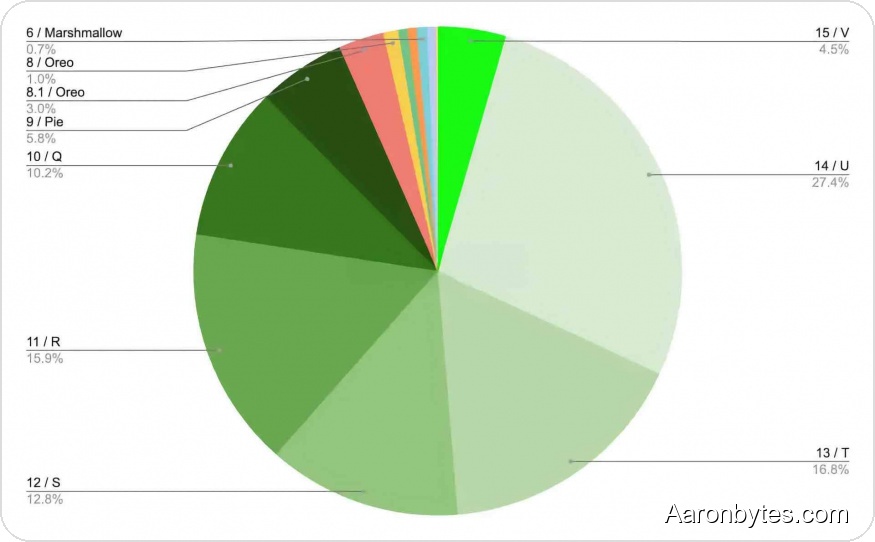
Android’s distribution looks very different. Android 15, the current flagship release, is present on just 4.5 percent of devices.
Android 14 is the most widespread recent version at 27.4 percent. Android 13 appears on 16.8 percent of devices and Android 12 on 12.8 percent.
Older releases still hold significant share: Android 11 runs on 15.9 percent of devices, with many popular older phones such as the Samsung Galaxy S9 and Xiaomi Mi 9 remaining on that generation.
There are even tiny percentages of devices stuck on very old releases like Android 4.4 KitKat and Android 5 Lollipop.
Why the gap between Apple and Android?
Part of the story is sheer variety. Android’s huge number of distinct hardware configurations forces manufacturers to optimize updates across many models, slowing rollout.
Apple’s advantage is vertical integration: it controls both hardware and software for iPhones, which makes broad, fast updates easier to deliver.