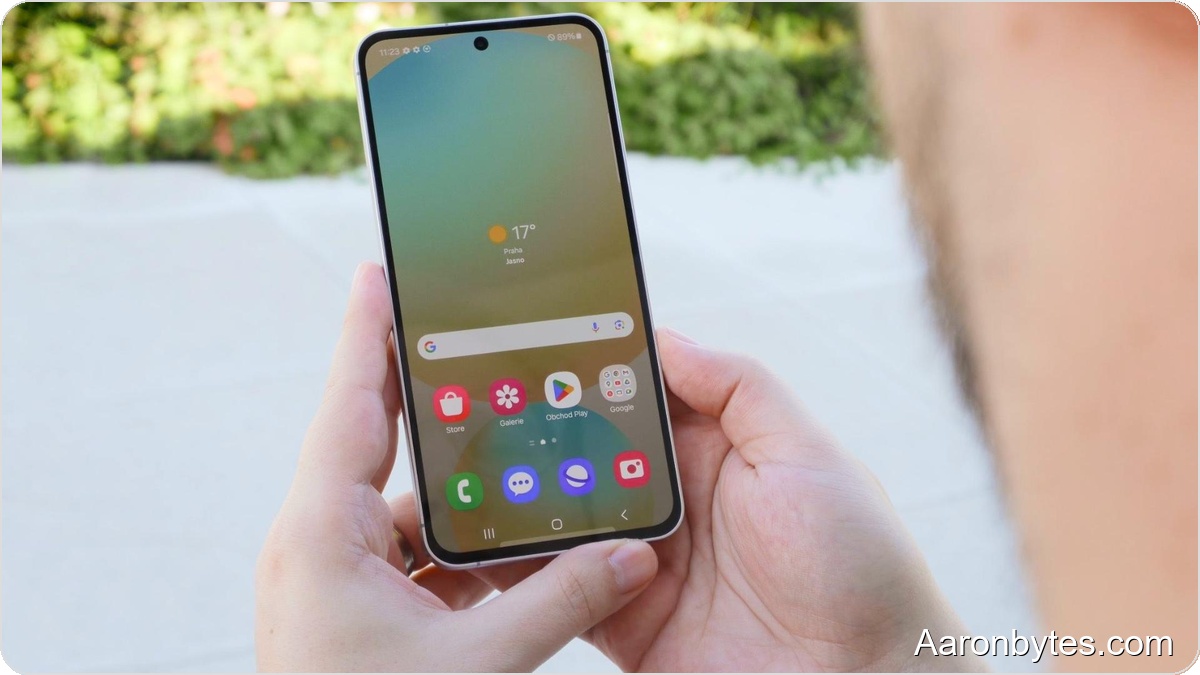
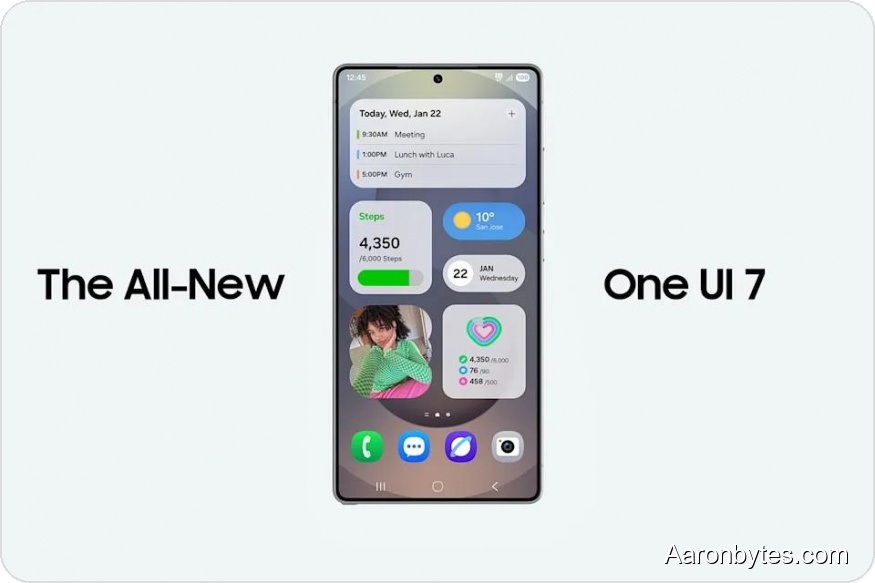
Samsung took an unusually long seven months to bring One UI 7 to devices running Android 15. That delay stands out because Google is shifting Android’s release rhythm this year, and Android 16 is already on the horizon.
Historically, Google shipped new Android versions at the end of summer, and phone makers started rolling updates a few months later. Samsung usually moved fast, updating flagship and foldable models by year’s end. This time, the company missed that informal window.
What changed in Google’s schedule?
Google is adopting a new timeline: the company plans to release the primary Android 16 build before the start of the major summer vacation period, with a smaller feature update following in the fall. That second update will add new features on top of the summer release.
Google intends to stick to this cadence in the coming years, which forces hardware makers to adapt their update plans around two key moments: a summer baseline release and a fall feature drop.
How Samsung’s timing could be affected?
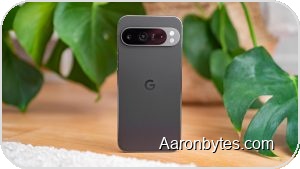
According to the leak, Samsung will align its rollouts to Google’s new rhythm. The main Android release will be pushed first to the company’s foldable summer phones, while the fall update is expected to land on the Galaxy S flagships introduced in January.
If Samsung can match its past agility, users should see updates arrive more promptly. The concern is that a repeat of this year’s seven-month lag would leave Samsung devices receiving a full-year-old major release just as Google prepares to ship the next one.
Why the delay matters?
When manufacturers fall behind, it creates a widening gap between Google’s platform and the software experience on billions of phones. That gap can affect security, new features, and the competitive positioning of handset makers.
The problem is not unique to Samsung. Any vendor that cannot move faster risks shipping devices that are already behind the platform curve when the next Android cycle begins.
Trust meter
The leak’s claims are plausible given Google’s announced schedule and Samsung’s historically fast update cadence, but this year’s seven-month One UI 7 delay raises legitimate doubts about whether Samsung can accelerate sufficiently to match Google’s new timeline.