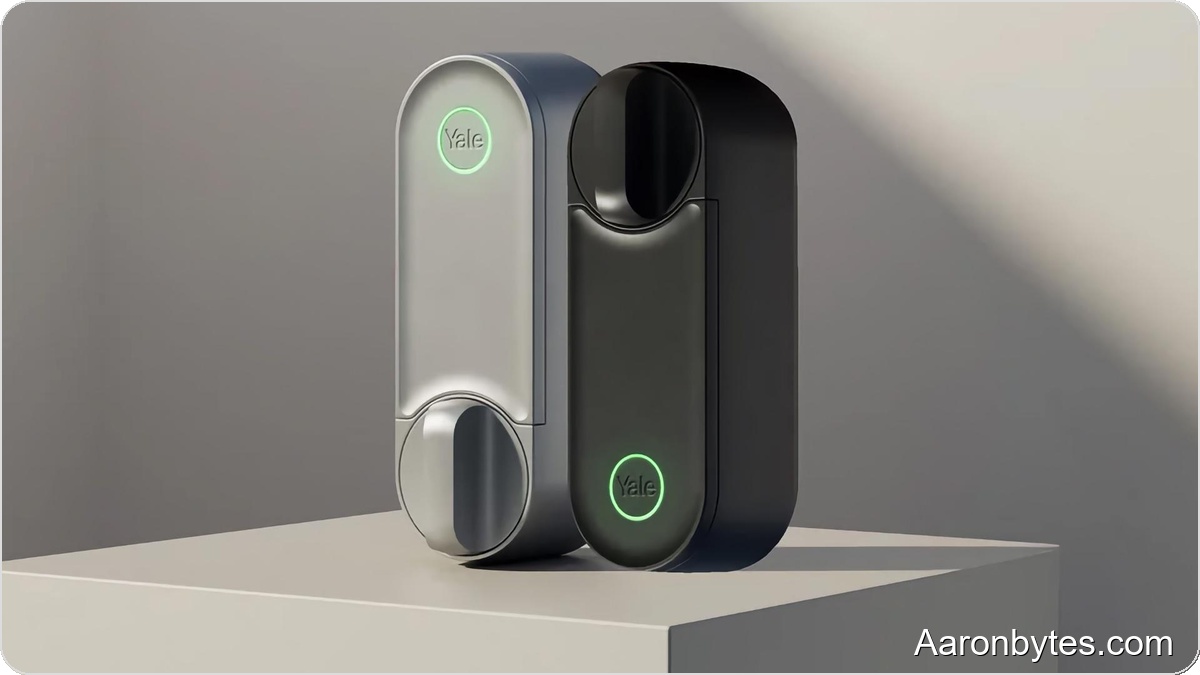
After a long wait, the Aliro standard has been approved by the Connectivity Standards Alliance, clearing the way for broader adoption. The first Aliro-compatible devices are expected to arrive early this year.
Aliro targets the messy world of smart locks, where multiple competing technologies determine how other devices communicate with and control a lock. The new standard combines NFC, Bluetooth Low Energy, and Ultra-Wideband so smartphones and smartwatches can serve as digital keys regardless of brand.
How Aliro Works?
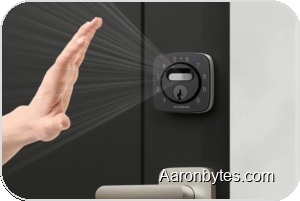
Access credentials are stored locally on the device, and Aliro relies on asymmetric encryption for direct communication with the lock. That means you no longer have to depend on a mobile app or cloud service to lock or unlock a door.
Digital keys operate the same way physical keys do: fully offline. That offline capability is a core selling point, especially for locations with poor or no cellular connectivity.
Platform Interoperability and Industry Backing
Aliro aims to bridge platform differences. While Apple set expectations with its Home Key, Aliro seeks to make similar functionality available across Android devices so households with iPhones, Pixels, and Galaxy phones can use the same lock without friction.
Major players backed the effort, including Apple, Google, Samsung, Qualcomm, and NXP. Several lock makers have already announced support for the standard.
Practical Limits and What Consumers Should Know
Compatibility will be a key practical constraint. Locks require specific transmitters and antennas, so many older models are unlikely to be upgradable to Aliro.
The system uses different radio modes for different needs: NFC for intentional tap-to-unlock, BLE for low-power commands, and UWB for precise, in-pocket unlocking. That mix improves flexibility but makes a hardware refresh probable for many buyers.
Deployment Timeline
Rollout depends on the certification schedule and how quickly manufacturers can ship certified models. The offline operation makes Aliro especially useful for places with weak coverage, like mountain cabins, since it does not require a data connection to function.