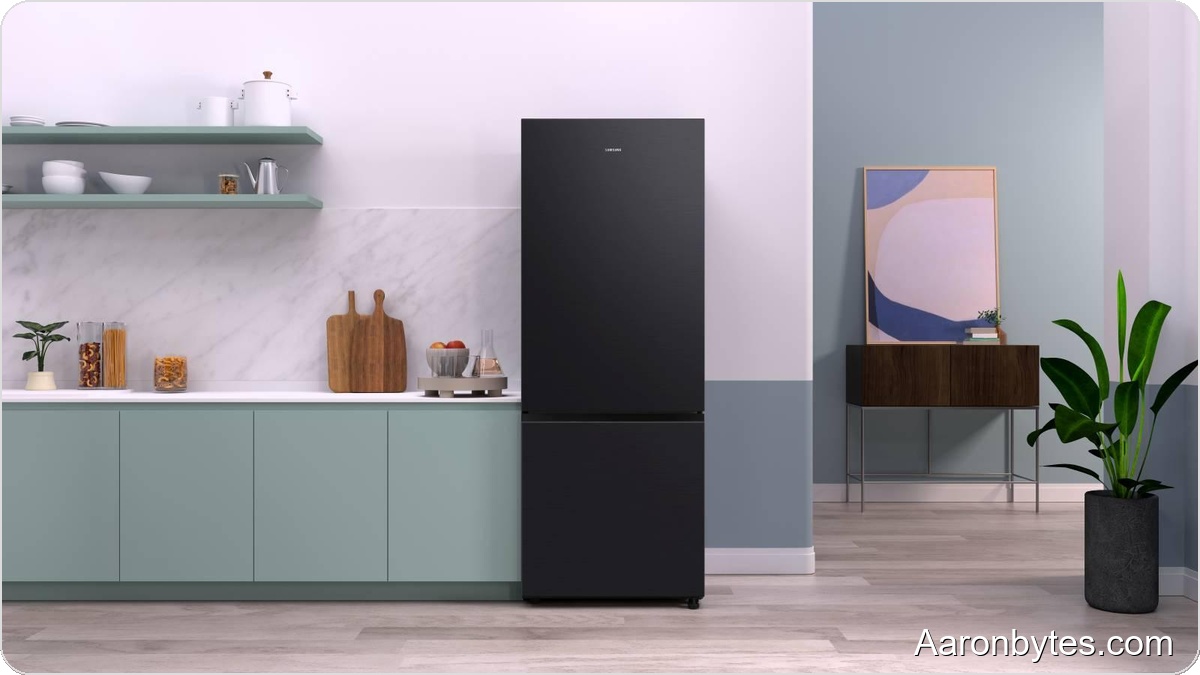
Smart home gadgets have been part of our lives for years, and while many bring clear benefits, others are basically ordinary appliances with screens and internet access. Refrigerators sit squarely in that gray area. They are indispensable, so making them “smarter” was an obvious move—and several makers, including South Korea’s Samsung, jumped in.
Screened appliances become ad space

Whether smart fridges are genuinely useful or just expensive toys is still up for debate. But adding an operating system and a display expands possibilities for both users and manufacturers. Lately manufacturers have been hunting for ways to put more screens in the home to work for them even when people are not actively using the device.
That dynamic already popped up with TVs, which increasingly show ads while idle. Some manufacturers quietly tested ad placement to squeeze extra revenue from devices many owners keep for years. The move is controversial because buyers pay a premium for smart features that often do not deliver proportional added value compared with nonconnected alternatives.
Samsung’s pivot on Family Hub
In the U.S., Samsung has started showing ads on its Family Hub refrigerators. The change is notable because the company previously told The Verge it would not take that step. Beyond breaking that earlier assurance, Samsung describes the pilot as something that will “increase the value” of owning a Samsung smart fridge.
The company’s framing highlights the tension at play: monetizing idle screen time can boost revenue and, Samsung argues, owner value, while many users see such ads as an unwelcome tradeoff for devices they already paid to upgrade.