
Microsoft has eliminated the one-time $19 fee that small developers previously had to pay to publish apps in the Microsoft Store. Under the new rules, developers do not pay anything to register or publish, and Microsoft is not even requiring a payment card on file for registration. A personal account is sufficient to get started.
Change applies globally and targets small developers
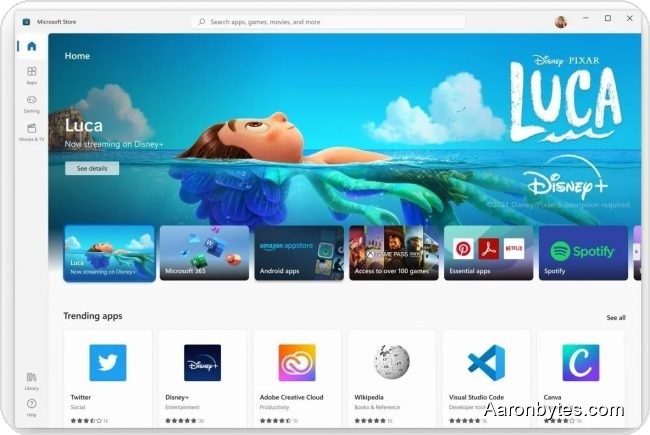
The new policy covers nearly 200 countries, a move aimed squarely at smaller creators who could find even minor fees a barrier to distributing software through the Microsoft Store. Microsoft says the change should make the store more inclusive and accessible for independent developers around the world.
How Microsoft Store compare to other app platforms?
For context, Apple’s App Store charges developers $99 per year, while Google Play still requires a one-time $25 registration fee. Microsoft’s decision removes that initial cost entirely for its own storefront.
Store reach and technical openness
Microsoft says more than 250 million active users worldwide use the Microsoft Store. Since the Windows 8 era, the store has gone through many changes: it now handles standalone installers, supports web app updates, and accepts many app formats, including Win32, UWP, PWA, .NET, MAUI, and Electron.
Fewer restrictions for developers and more control over payments
Developers on the Microsoft Store face fewer platform restrictions than on some rival stores. Apps can use their own internal payment systems, and non-game apps can keep 100 percent of revenue.
Impact and expectations
Even with these changes, the Microsoft Store is not likely to instantly flood with new apps, but every submission matters. Lowering and removing fees could also pressure competing app stores to rethink their own pricing structures.