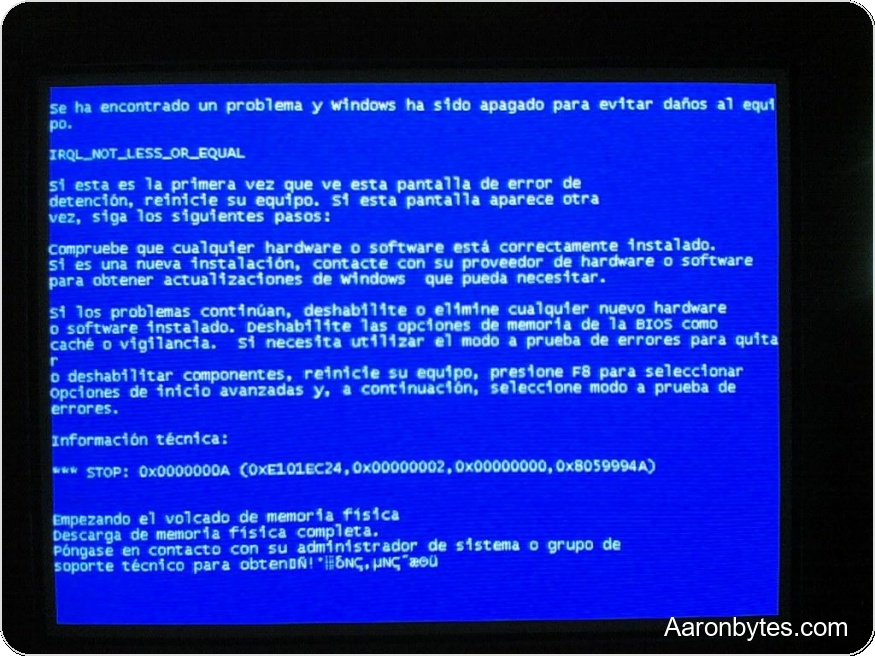
The blue screen of death first appeared in 1985 with Windows 1.0 and has shown up whenever the OS hit a hardware fault, a driver error, or incompatible software.
The name is apt — its arrival usually meant any unsaved work was gone, because a full system restart typically followed within seconds. Microsoft chose a blue background for that error screen, which is why the term Blue Screen of Death, or BSoD, stuck.
Although the BSoD existed from Windows 1.0 onward, users most often encountered it on Windows 95 and 98, which were generally more prone to driver conflicts and unstable software. One infamous moment came during a 1998 Windows 98 demo with Microsoft CEO Bill Gates: attaching a scanner caused the demo machine to crash onstage, despite the OS’s touted ability to handle hot-plugged hardware.
After Windows moved to the NT kernel, later releases such as Windows 2000 and XP became less susceptible to crashes, though the BSoD still appeared at inconvenient times. The biggest design change came in 2012 with Windows 8, which added a sad face emoticon to the screen.
Microsoft swaps blue for black
Microsoft had hinted at a change in test builds of Windows, and the company has now confirmed it: system crashes will switch to a black screen with a short message instructing users to restart the PC. The new look will essentially match the appearance used during Windows update installations.
The redesign will not include the sad-face emoticon.
Launch timing and recovery feature
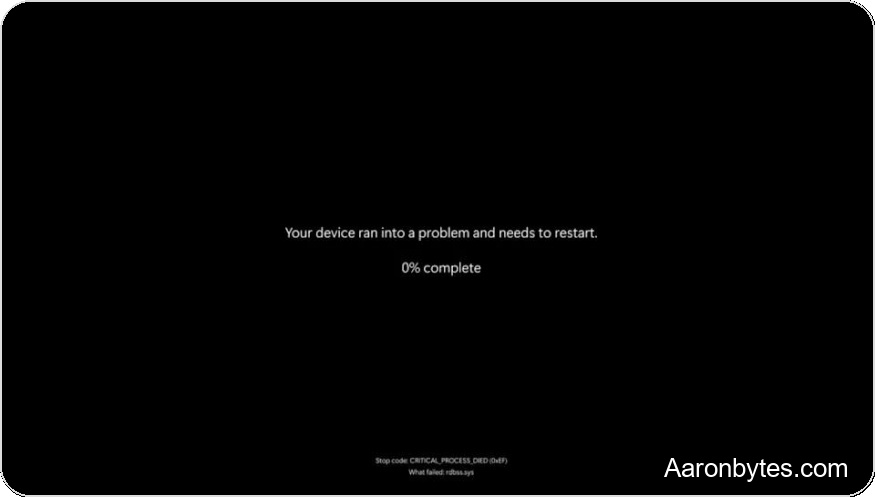
Microsoft plans to roll out the new error screen this summer along with a new Quick Machine Recovery feature. Quick Machine Recovery is intended to help restore a PC when it cannot boot.