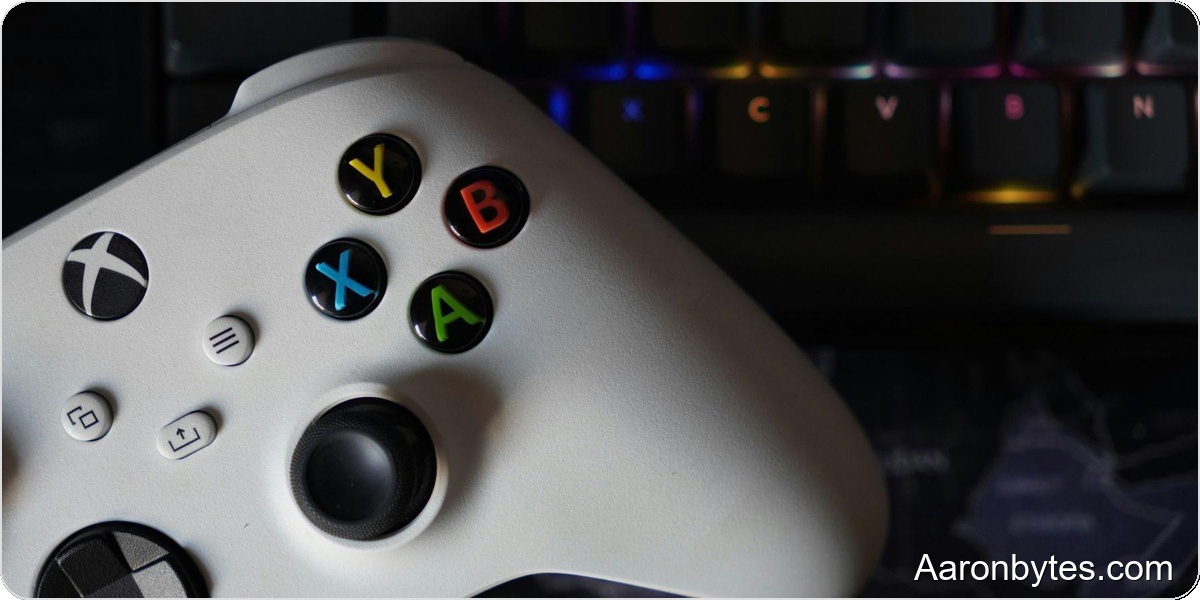
Microsoft will continue to use AMD chips in the next generation of Xbox consoles. The two companies, whose hardware collaboration spans more than a decade, announced this week that their partnership will continue for several more years and will cover not only the next desktop Xbox family but other gaming devices as well.
AMD silicon will power more than just consoles
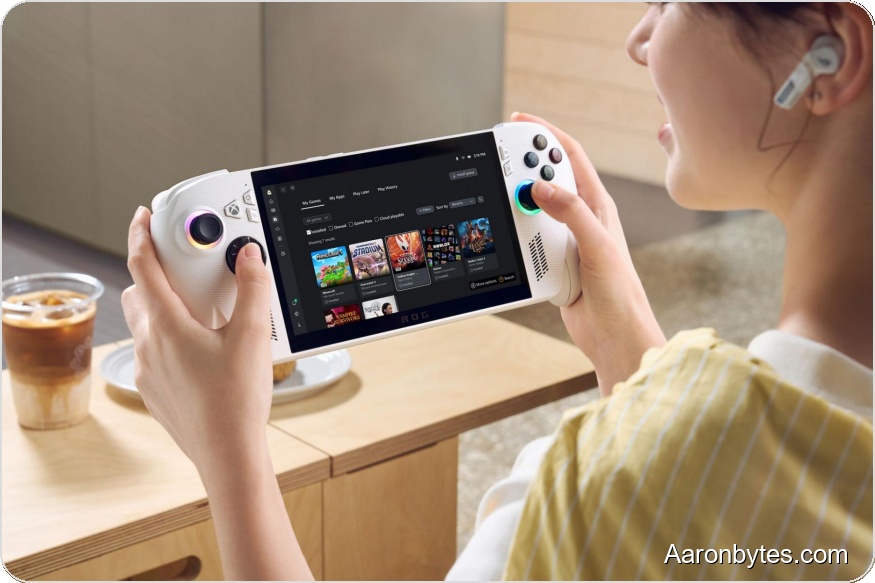
Xbox division president Sarah Bond revealed the renewed multi-year agreement and outlined a few future plans. AMD chips won’t be limited to the next desktop Xbox consoles; they’ll also appear in other gaming systems, including handhelds and cloud services.
New silicon promises better visuals and AI-enhanced gameplay
Bond said the new silicon for the next generation of gaming devices is already in development. According to her, it will deliver higher visual quality and more immersive gameplay amplified by artificial intelligence features.
Backward compatibility will remain a priority
Microsoft is keeping backward compatibility for the upcoming Xbox generation. Bond emphasized that these hardware and software improvements will benefit both new games and existing titles.
Third-party stores could come to Xbox
Bond hinted that Microsoft may open the Xbox ecosystem to third-party stores. That could mean platforms like Steam, GOG, and Epic Games joining the Xbox environment alongside the Microsoft Store.
Today, Game Pass subscribers can already access EA Play and Ubisoft catalogs on Xbox, but those games are still discovered and downloaded through the Microsoft Store. Third-party operators would likely welcome deeper integration; Valve, which runs Steam, has reportedly wanted such access for years.
How far Microsoft goes will depend on its willingness to open the platform and the fees it charges third parties for selling games and content.
Closer ties between Xbox and Windows
Bond also noted close collaboration between the Xbox team and the Windows OS team. Their joint goal is to make Windows the number one gaming platform.
That could mean two things. Microsoft may be working to make as many Xbox games playable on PC as possible. Or the company might be preparing a next-generation Xbox that is essentially a modified Windows PC with assured backward compatibility for Xbox titles.
Microsoft has already tried a Windows-based handheld
Microsoft has already tested the Windows-device approach with a recently announced pocket console, suggesting the company is exploring hardware that blurs the lines between Xbox and PC.