Most of us plug a cable into a phone and then into the wall without a second thought. That small habit can actually accelerate wear on both the battery and the charging port.
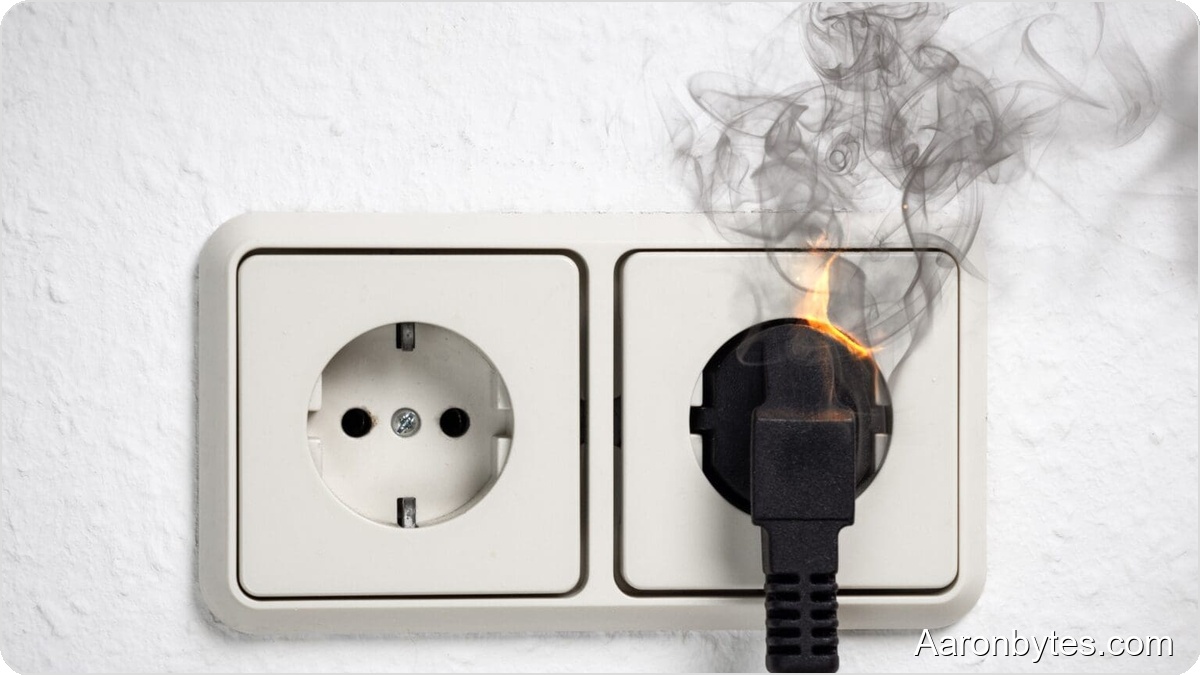
When you insert a charger into an outlet, there is a brief voltage transient. If your phone is already connected to the cable at that moment, it can receive a tiny electrical jolt. Repeated over weeks and months, those micro‑events contribute to oxidation and gradual damage to the port and contacts.
The common routine that causes trouble
Almost everyone follows the same sequence: cable into the phone, then plug the charger into the wall. Aside from the immediate risk of a tiny spark, aging or damaged cables can start to conduct poorly, producing the familiar hunt for an “ideal angle” to make charging work. Over time, this can worsen port wear and eventually make charging unstable or fail.
How to do it correctly?
Make it a simple two‑step rule: plug the charger into the wall first, let the adapter absorb that initial surge, then connect the cable to your phone.
When you finish charging, reverse the order. Disconnect the cable from the phone first, then unplug the charger from the outlet. This reduces the chance of a sudden electrical arc when contacts meet.
What manufacturers warn about?
Manufacturers caution that repeated improper connections and small voltage events can shorten battery lifespan and even affect device behavior. Consequences can include reduced battery capacity, slower system performance, unexpected restarts, or, in worst cases, permanent damage to internal circuitry.
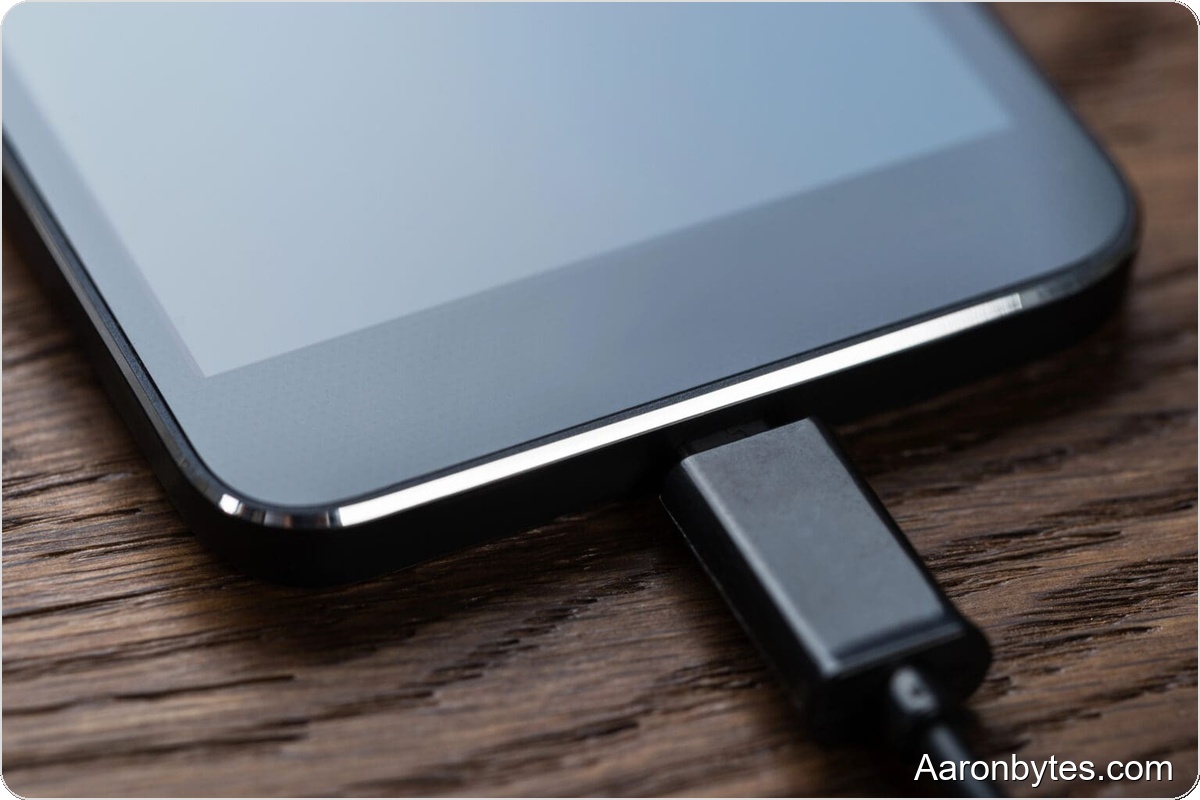
Physical components suffer too. Even tiny, barely visible sparks can, over months, burn and oxidize the metal in a USB‑C port, degrading contact quality and reliability.
Other practical ways to preserve battery health
Beyond connection order, a few basic habits help preserve battery life. Avoid charging overnight where a device may remain at full charge for prolonged periods. Keep your phone out of extreme hot or cold conditions, since lithium‑ion batteries function best at moderate temperatures and degrade faster under harsh conditions.
Finally, use original or manufacturer‑certified chargers and cables. Poorly made accessories can deliver incorrect currents and harm both the battery and the device. Spending a little more on high‑quality charging gear is one of the simplest ways to protect your phone over the long run.