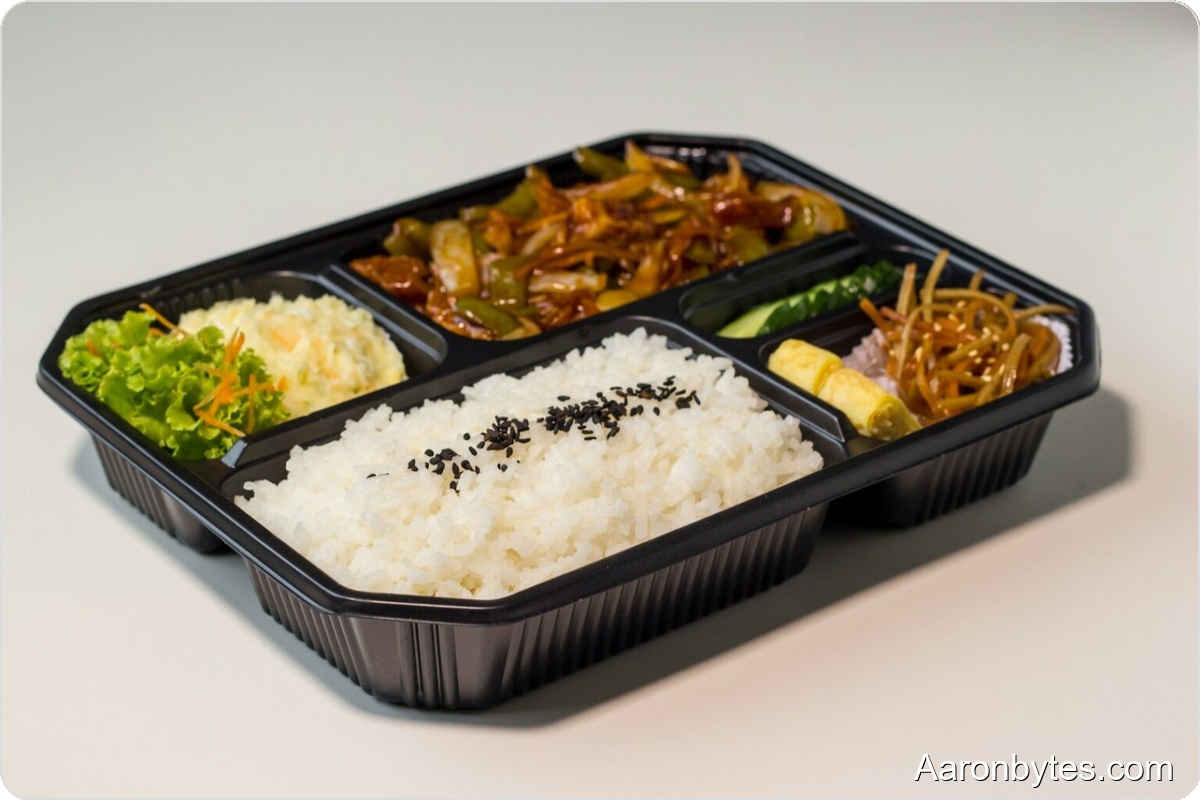
Electric self-heating lunch boxes heat food right on your table, in your car, or while you’re out on a trip. With low power draw, rechargeable batteries, and steady innovation, they’re positioning themselves as a useful option for daily convenience and emergency use.
Why these lunch boxes matter?
Modern food containers have become indispensable, not just for carrying meals to work or school but for storing leftovers and extending food safety at home. A growing subset of these containers goes further: they include built-in heating elements that warm your food without a microwave.
How they work and what to watch for?
There’s no magic behind the feature. Inside these boxes is a heating element that, when plugged into power, gradually produces heat until the food reaches temperature.
They are not fast heaters. Most models warm food slowly, typically taking 20 to 30 minutes. Manufacturers often present that as an advantage, arguing that gradual heating better preserves texture and prevents drying compared with stovetops or microwaves.
Power requirements are modest. Typical units rarely exceed 100 to 150 watts, which makes them usable with car cigarette-lighter adapters and compatible with some UPS systems and power banks.
Size and capacity matter. You don’t want another piece of clutter, but you also don’t want something too small. Around 1.5 liters of capacity is generally sufficient.
These boxes weigh more than ordinary lunch containers. Empty units can run about 600 to 700 grams, not counting the food you put inside.
Consider your intended use and power source. Most devices are designed for home or office use on 220 V outlets, though some ship with car adapters or other plugs. Long cables are important to avoid awkward placement.
For the most flexibility, choose a model with a rechargeable battery. That removes the need to hunt for a plug in a car or building; the box can heat itself from its internal battery.
Practical uses, limits, and emergency value
The primary purpose is simple: take a meal with you and heat it wherever there’s a power source, without relying on a microwave.
They also let you warm food at the table without trips to the kitchen, or keep dishes warm on a patio or in the yard.
They can be useful in emergencies when conventional cooking is unavailable. Although they require electricity, their low consumption means they can run from a car battery, a UPS, or a small generator.
If you pick a model with an internal battery and keep it charged periodically, it can serve as a backup heating option during outages, providing several hours of utility without relying on household outlets.
There are downsides. Because these devices contain metal and electronics, you generally should not store them inside a refrigerator or freezer. Some models let you remove the inner container, which helps, but not all do.
Cleaning can be more complicated than with a standard lunchbox. Unlike a full plastic container that goes in the dishwasher, parts of a heated unit—cables and electronic components—must be removed and washed by hand.
Innovation and what’s next
The technology is evolving. One trend is smartphone remote control, which would let users schedule heating from their phones for extra convenience.
Research is also focusing on sustainable materials and more efficient heating technologies to further cut energy use. The goal is to make these devices both practical and greener.
Another potential improvement is smart sensors that adjust temperature and heating time based on the type of food, ensuring more consistent results.
Self-heating electric containers answer modern demands for mobility and kitchen convenience. Despite drawbacks like maintenance and cost, their functionality and versatility make them an attractive option for many consumers. With continued innovation, they are likely to become an even more common household item.