Baseboard heating installs flush with the floor and typically replaces or covers standard baseboards. Unlike visible radiators or invasive underfloor systems, it stays out of sight while delivering heat around the room.
Instead of a single hot element, the system runs along the room perimeter, distributing warmth more evenly across the space.
How it works?
The system combines convection and radiation and leverages the Coanda effect.
Cool air near the floor enters the bottom of the baseboard unit. Inside, the air warms as it passes over pipes carrying hot water or over electric heating elements, depending on the model.
When the air gets warm, the Coanda effect causes the flow to hug the wall and exit through a top slot. The warmed wall then functions like a large radiant panel, emitting heat into the room at the level people occupy rather than toward the ceiling.
Why it’s a strong option for renovations?
Because installation usually involves replacing or covering existing baseboards, this approach avoids raising the entire floor the way hydronic underfloor systems do. It also keeps the aesthetic clean by eliminating bulky radiators from view.
The design is especially beneficial in rooms with high ceilings because heat is delivered where people are, not wasted accumulating overhead.
Benefits
One clear advantage is the elimination of the cold-wall effect. As hot air flows over the baseboard, it warms the adjacent wall so the wall no longer pulls heat away from occupants standing nearby.
From a design standpoint, the units are discreet, freeing up wall space and making furniture placement simpler since you no longer have to plan around large radiators.
Operationally, baseboard systems have low thermal inertia because they heat relatively little water or mass. That means rooms warm faster than with underfloor heating. Air movement is gentle, so it stirs up less dust than traditional radiators. Warming the walls can also reduce condensation and help prevent mold.
Limitations
Don’t push big furniture directly against the baseboard. Large sofas or cabinets placed flush to the wall will block the outlet and prevent the warm air from circulating. A small gap is ideal so the system can breathe.
For best performance, you need ample free wall area. And while installation typically costs more than fitting standard radiators, it remains generally cheaper than full underfloor heating.
Two main variants
Hydraulic (water): These connect to a boiler or heat pump, including air-source or geothermal systems. They are highly efficient, especially when paired with heat pumps operating at low temperatures.
Electric: These use internal resistive elements. They are easier to install because no plumbing is required, but they typically consume more electricity.
Sustainability and smart features
Manufacturers are integrating renewable energy sources such as solar to reduce carbon footprints. Some models include built-in LED lighting for a warm, cozy ambiance without extra fixtures.
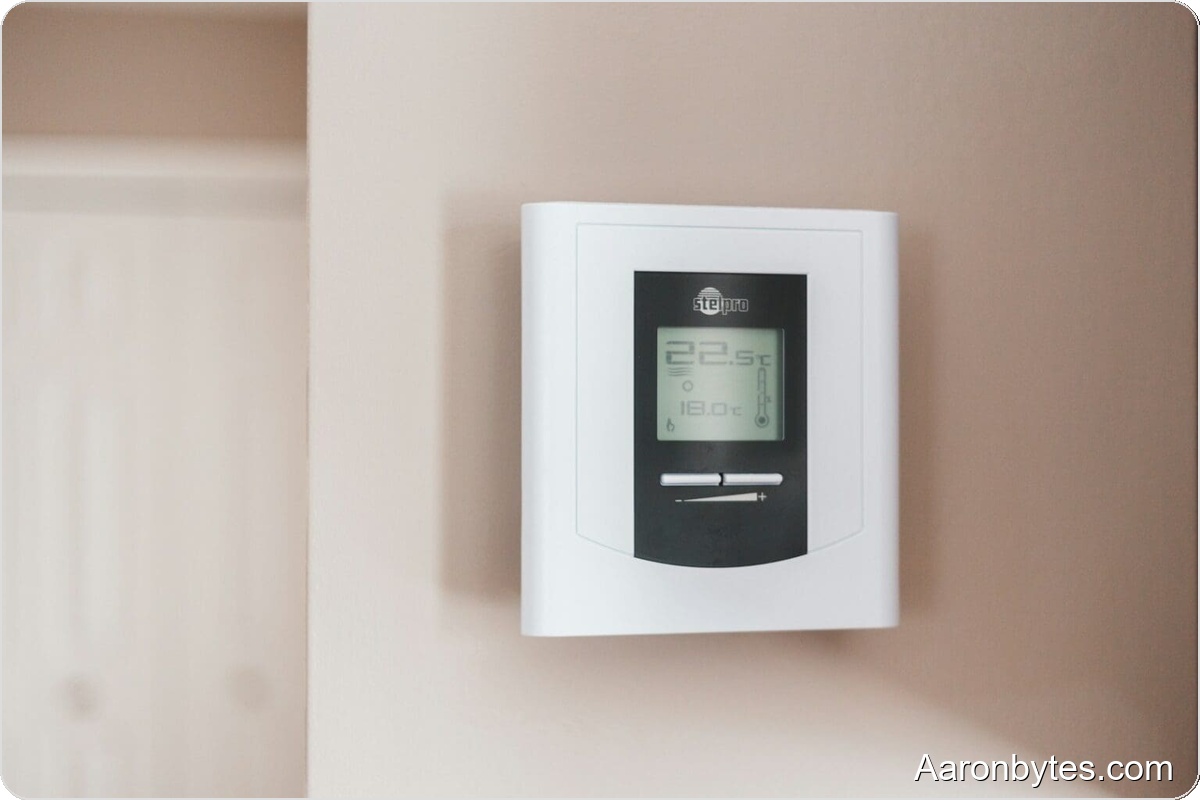
Smart controls are appearing too, letting users adjust per-room temperatures remotely via mobile apps and optimize usage patterns.