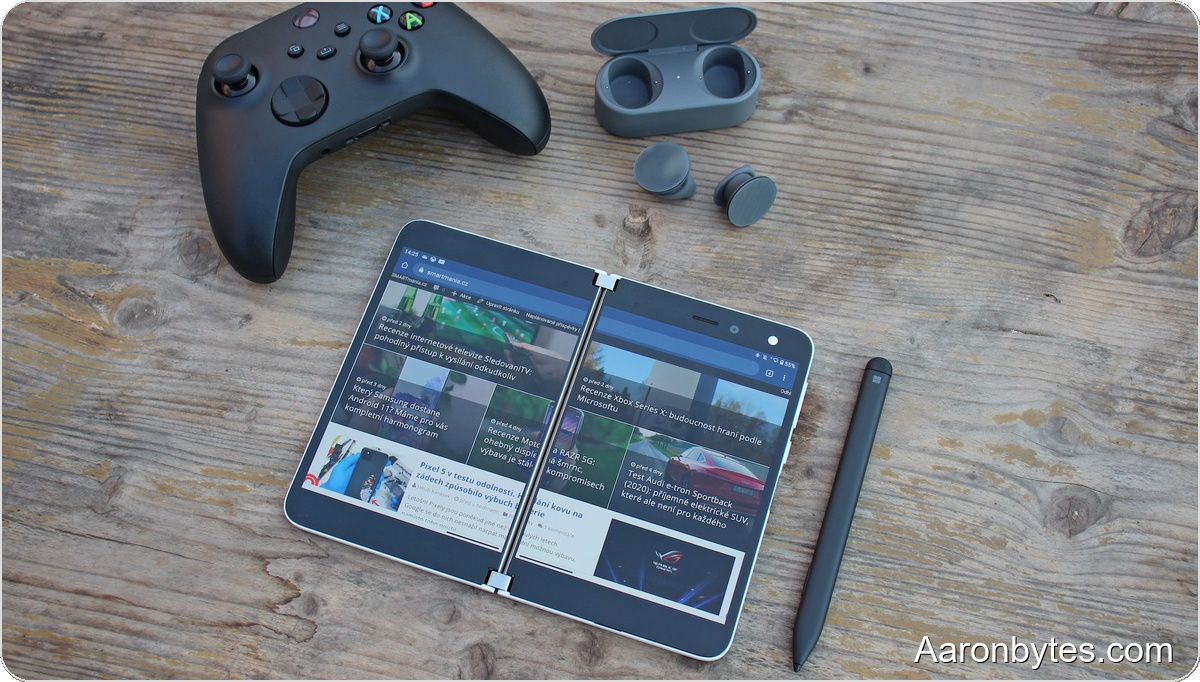
February marks exactly 10 years since Microsoft unveiled its last smartphone, and a curious remnant of that era has resurfaced. Andromeda OS, the experimental system originally intended for a pocket communicator, is now available in an installable form for hobbyists willing to risk a very shaky experience.
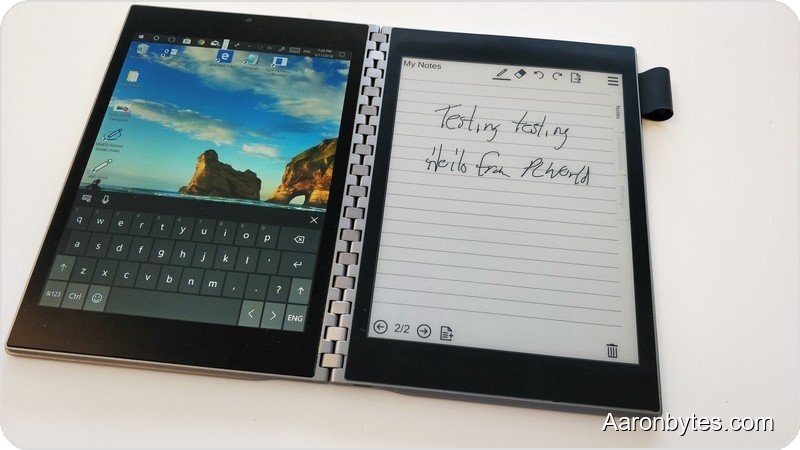
The build was compiled and packaged by developer Gustave Monce, who already has a track record porting Windows 10/11 to ARM devices. Monce has previously enabled those projects on several Lumia phones and made testable builds available for community testing.
What Andromeda OS actually is?
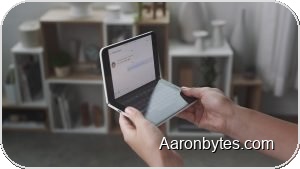
Andromeda sits between desktop Windows 10 and Microsoft’s mobile efforts. It includes features tailored for dual-screen hardware, most notably the ability to run two separate apps side by side or stretch a single app across both displays.
The interface relies heavily on gestures and lacks the usual bottom-row navigation buttons. For example, swiping in from the left summons a Start panel populated with a matrix of live tiles.
How to try it on a Surface Duo?
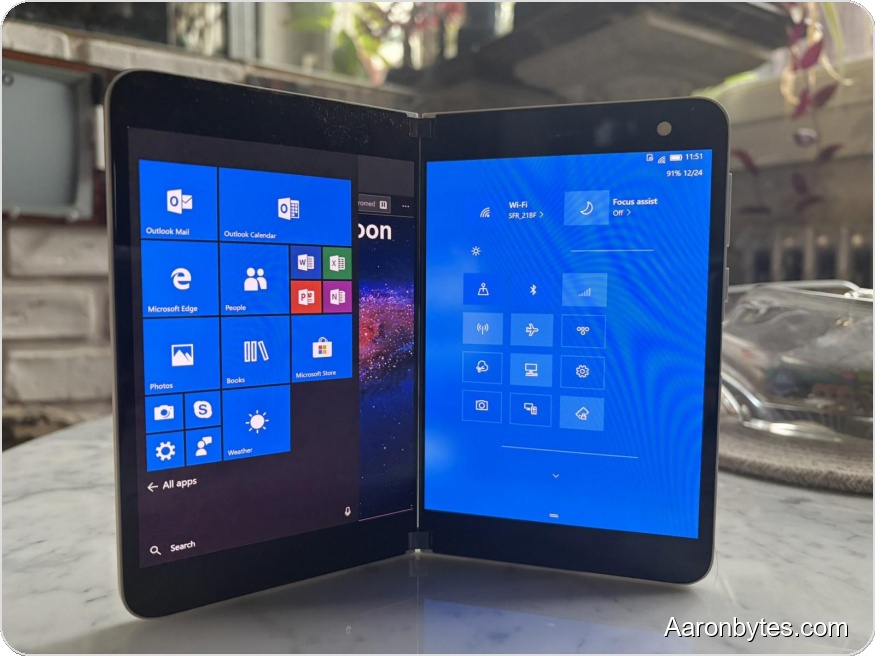
If you own a first-generation Surface Duo and want to tinker, Monce compiled a leaked Andromeda build into an FFU file that can be flashed using his custom flashing tool. That lets enthusiasts install the system on actual hardware.
Pitfalls and warnings
This is an unfinished operating system. It is unstable, filled with bugs, and not feature-complete. It only runs on the first-generation Surface Duo because drivers for the second generation are not available.
Flashing Andromeda will also erase all user data on the device. Anyone attempting this should be prepared for breakage and data loss.
For those undeterred by the risks, Monce’s build provides a rare chance to run a piece of Microsoft’s long-shelved mobile experiments on modern dual-screen hardware. For everyone else, it remains a fascinating footnote in the company’s device history.