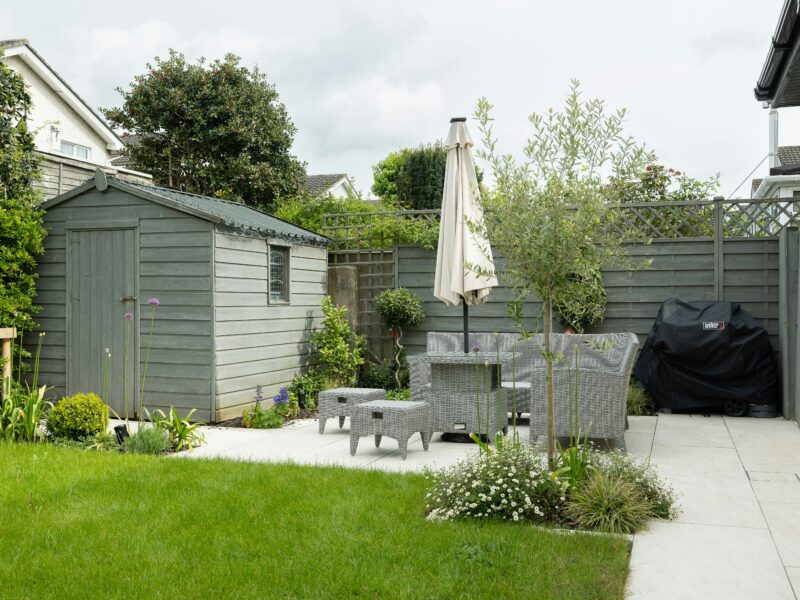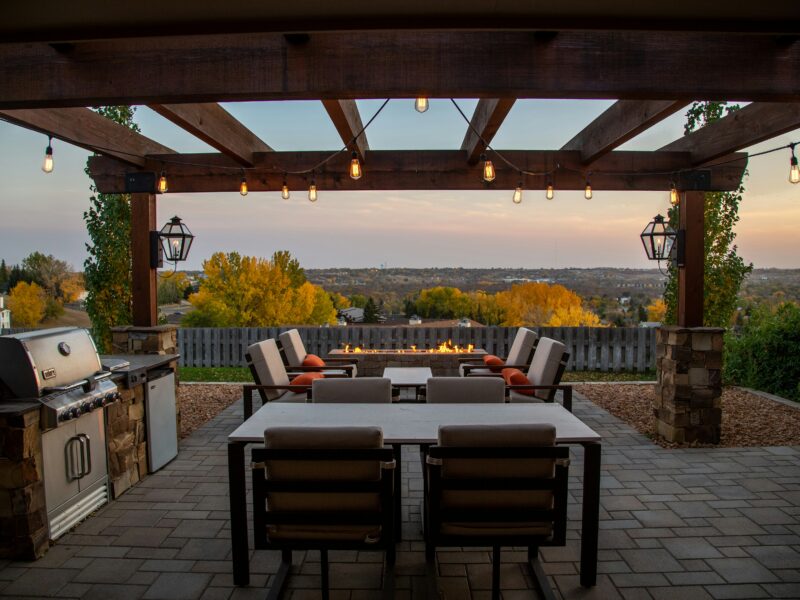
We have been misled into believing that a green piece of grass is the only way to have a backyard. But I’m curious: is spending your weekends mowing, watering, and pulling weeds truly the dream?
A backyard without grass is an improvement. Why? Let me provide the simplest proof. Do you see the most opulent hotels, the coolest rooftop bars, and the most expensive villas in the Mediterranean complaining about uneven grass? No. They are comfortable in the harsh surroundings.
Today, we will discuss a comprehensive backyard makeover for homes that have no lawn at all. We will go over how to transform that concrete slab or dirt patch into a true outdoor living space. We’ll explore zoning, vertical flora, and lighting methods that affect the entire game.
The Foundation: Rethinking the Floor
The first question people ask after they remove the lawn is, “What do I walk on?” You might believe concrete is chilly or unattractive. I disagree. It’s a blank canvas. If you treat the ground like a floor in your home, you’ll win.
1. The Power of Outdoor Rugs.
You can’t ignore this. If you have a concrete slab, it needs texturing. An outdoor rug serves as more than just an adornment; it also anchors the space.
- Define the Zone: Put a huge geometric mat underneath your dining table. It immediately informs the brain, “This is the eating area.”
- Softness: It reduces the roughness of stone or cement.
- Style: Opt for strong designs. Because there is no visual noise from grass, your floor can withstand loud designs.
2. Gravel, River Rock
This is the secret to achieving a high-end look on a limited budget. Pea gravel or broken granite provides the delightful “crunch” underfoot that you hear in French courtyards.
- Drainage: Water passes right through it. No puddles.
- Flexibility: You can shape it however you want.
- Cost: It is substantially less expensive than pouring fresh concrete or constructing decking.
If you use gravel, lay down a weed barrier first. Trust me, you don’t want to be plucking weeds from rocks later.
3. Decking over concrete.
If the concrete is fractured and beyond saving, do not demolish it. Cover it. Floating deck tiles are really popular right now since they are easy to put together.
- Warmth: Wood (or composite) provides inherent warmth that stone lacks.
- Elevation: A slightly elevated deck provides a separate “stage” for lounging.
Greenery: You Don’t Need Ground to Grow
Here’s a strange misconception: “No grass means no nature.” This is completely wrong. Container gardening is typically superior since you have complete control over the soil and drainage.
Vertical Gardens And Living Walls
If you have a small footprint, you must go up. A vertical garden is the greatest approach to achieve the lush jungle atmosphere without compromising square footage.
- Climbing plants such as jasmine or ivy can be used to create trellises. They smell great and cover up dull fences.
- Wall Planters: Attach them directly to a brick or wood fence.
- Pallet Gardens: An inexpensive DIY solution. Lean a pallet against a wall and fill it with succulents or herbs.
The “Thriller, Filler, Spiller” Pot Strategy
When doing a backyard makeover for a home with no grass, huge pots are your greatest friends. Do not buy small, ineffective pots. Go big.
- Thriller: A tall, architectural plant in the centre (similar to a snake plant or palm).
- Filler: Something bushy to fill the centre.
- Spiller: Something that hangs over the edge (such as Creeping Jenny).
Arrange these pots in odd numbers (threes or fives) in the corners. It softens the rough edges of a patio. Better Homes & Gardens and other resources can help you choose the correct plants for your pots.
Furniture: Create an Outdoor Living Room
This is where the magic occurs. Because you don’t have to move furniture to mow the lawn, you can invest in more permanent arrangements.
Sectionals are King
Treat the outside just like your living room. A large, L-shaped sectional sofa serves as a focal point for conversations.
- Comfort: Select deep seats. If it isn’t comfy enough to sleep on, don’t buy it.
- Materials: Look for teak or powder-coated aluminium. They last forever.
The Bistro Set
If room is limited, a tiny bistro table in the corner is sufficient. It provides a place for morning coffee. It gives the space a more usable sense, rather than merely a storage spot for old bikes.
Lighting: The Atmosphere Creator
I noticed many backyards that looked OK during the day but looked like a parking lot by night. Lighting is not optional. It represents 50% of the design.
String Lights (Bistro Vibe)
Zig-zag them overhead. They create a warm, ambient glow that enhances everyone’s appearance.
- Installation: If you do not have trees, you may need to put up a few posts. It is worth the effort.
- Bulbs: Select “warm white” (2700K). Avoid cold blue LEDs; they resemble a hospital operating room.
Up-Lighting
Place little spotlights at the base of your large pots or trees. Draw their attention. This highlights the architectural shape of the plants and adds drama to the walls/fences.
Fire and Water: The Focal Points
Every room needs a centrepiece. In a grassless yard, you need something that moves or shines.
The Firepit
This is a modern campfire. It allows you to use your yard during the fall and winter months.
- Propane vs. Wood: Propane is cleaner and easier to switch off after use. While wood smells better, it is more difficult to work with.
- Design: A concrete bowl fire pit complements the sleek, grassless design.
Water features
You do not need a swimming pool. A little fountain or birdbath creates the sound of trickling water.
- Noise Cancellation: If you reside in a city, the sound of water helps conceal traffic noise.
- Relaxation: It immediately induces a Zen-like state.
Shade: Defining the Ceiling
Heat can be a concern in a yard without any trees or grass. Stone reflects heat. You need to set a ceiling.
Pergolas
These are both structurally sound and visually stunning. You can plant vines over them to provide natural shade or construct a retractable canopy.
- Zoning: A pergola physically separates the “dining room” and “lounge” areas.
Shade sails
These are the most cost-effective options. They appear architectural and modern.
- Installation: Secure them to the house and a post.
- Flexibility: You can take them down in the winter to allow more light into the house.
Sites such as This Old House provide excellent training on structural ideas and blueprints.
Dealing with Privacy
Without trees or hedges, you may feel vulnerable. A backyard renovation for homes with no grass often necessitates innovative shielding.
- Bamboo screens are fast-growing (in pots) and can be purchased as rolled fencing. They appear modern and clean.
- Tall Planters: Use tall grasses such as Horsetail Reed. They grow straight up, forming a semi-transparent wall.
- If you have a pergola, hang some outdoor curtains. It creates a resort-like atmosphere and provides complete solitude when desired.
Maintenance: The Real Benefit
Let’s discuss why we’re doing this. A hardscape yard requires almost no upkeep as compared to a lawn.
- Sweeping versus Mowing: You may need to sweep leaves once a week. That takes five minutes. Mowing takes one hour.
- Water Use: You save a fortune on water. In many climes, this is becoming a necessity rather than a choice.
- Cleanliness: No muck was tracked inside the house by the dog or children.
Conclusion
A backyard renovation for homes with no grass provides an opportunity to build something elegant, efficient, and customised to actual living, rather than simply looking.
We inspected the floors, lighting, and furniture. People who argue that a yard requires grass are the same ones who sweat behind a lawnmower every Saturday morning as you sip coffee on your immaculate terrace.
This makeover technique allows you to reclaim your time. It provides you with a room that is ideal for entertaining, relaxing, and enjoying the outdoors without the responsibilities.