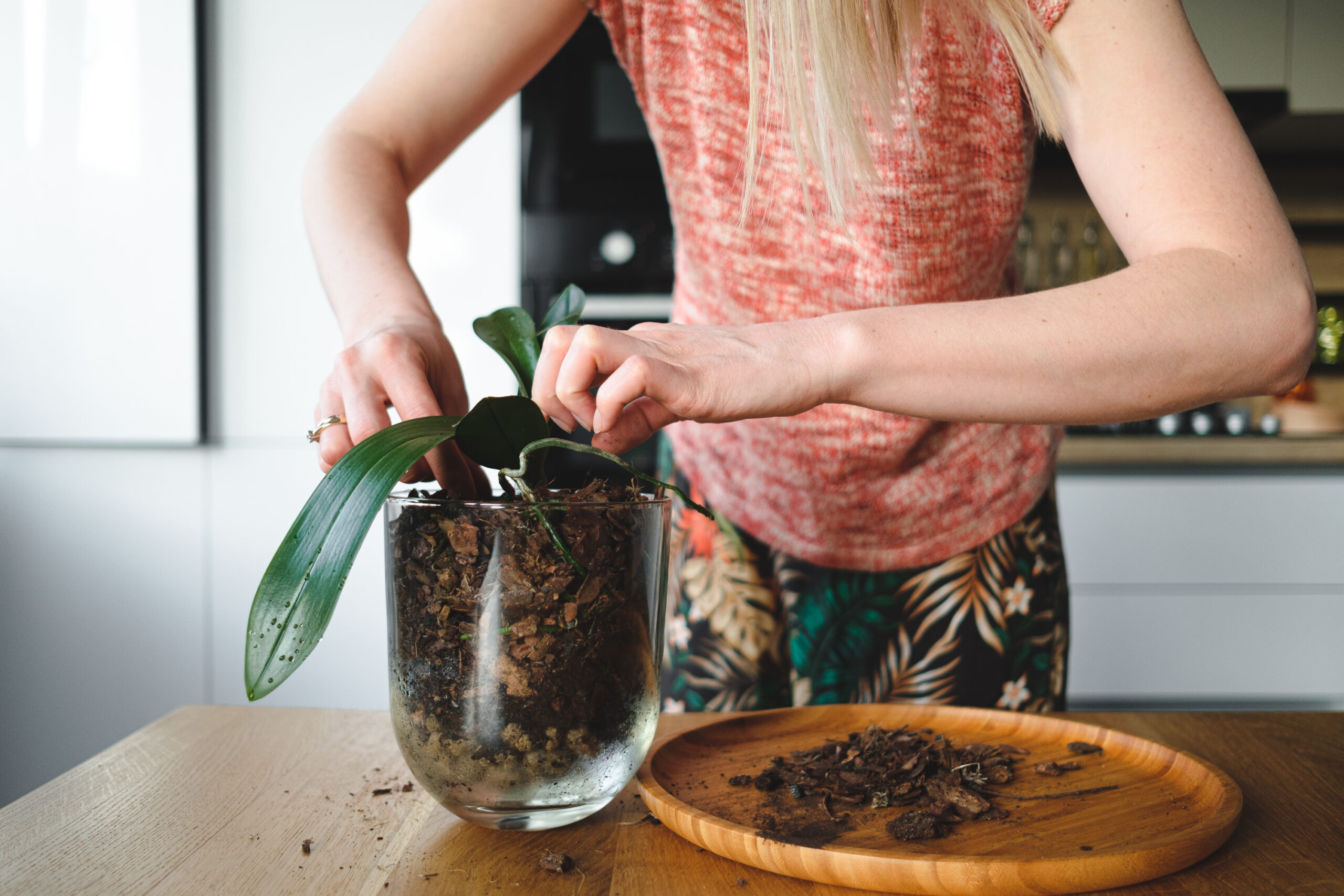
There is a specific point in every gardener’s life when composting clicks. When you lift the lid or dip a pitchfork into a pile of what used to be coffee grounds, dead leaves, and onion peels, you discover black, crumbly, sweet-smelling dirt rather than rotting garbage.
Composting is not a new gardening idea; it is the natural biological breakdown of organic materials. When you create a compost pile, you are effectively cultivating bacteria.
By providing an excellent habitat for bacteria, fungi, and invertebrates, you speed the natural decomposition process, transforming domestic garbage into the most effective soil supplement you can give your plants.
The Core Mechanics: Why Composting Works?
To understand how to compost, you must first determine what is performing the work. You are in charge of an ecosystem containing billions of microscopic species. These organisms, like all living things, require a well-balanced nutrition, water, and oxygen to thrive and function properly.
When these materials come together, the microorganisms consume the organic material so quickly that their metabolic friction produces tremendous heat. This explains why a robust, active compost pile will literally steam on a cool morning.
The Four Pillars of a Healthy Pile
1. Carbon (The “Browns”) Carbon-rich materials provide the energy source for microbes. They also provide vital physical structure, keeping the pile light and fluffy so air can penetrate the core. Common browns include dried leaves, shredded cardboard, paper towel rolls, straw, and small twigs.
2. Nitrogen (The “Greens”) Nitrogen provides the protein microbes need to multiply rapidly. Greens are typically moist and heavy. Common examples include kitchen vegetable scraps, coffee grounds, fresh grass clippings, and plant trimmings.
3. Oxygen. The decomposition we want is an aerobic process. When oxygen levels drop below 5%, anaerobic bacteria take over. These are the microbes responsible for the putrid, rotten-egg smells associated with landfills. Turning the pile physically introduces oxygen back into the core.
4. Moisture Microbes move and transport nutrients via water. If a pile is completely dry, decomposition stops. If it is saturated, water displaces the oxygen, drowning the aerobic bacteria and leading to a slimy, foul-smelling mess.
The Carbon-to-Nitrogen Ratio in the Real World
You will often see academic sources recommend a strict 30:1 Carbon-to-Nitrogen (C: N) ratio. This scares many beginners away.
In practice, a 30:1 scientific ratio roughly translates to mixing two to three parts brown materials for every one part green material by volume.
Keep a stash of shredded paper or dried leaves next to your compost bin. Every time you dump a bucket of wet kitchen scraps (greens), throw two or three buckets of leaves (browns) over the top. This naturally balances the ratio while simultaneously burying the fresh food to deter fruit flies and scavengers.
Choosing Your Composting Setup
Your setup dictates how much effort you will expend and how quickly you will see finished compost. Consider your available space, physical mobility, and aesthetic preferences.
| System Type | Best For | Pros | Cons |
|---|---|---|---|
| Open Pile / Pallet Bin | Large yards, active gardeners. | Free to build; easy to access with a pitchfork; reaches high heat easily. | Exposed to weather; can attract wildlife if not managed properly. |
| Enclosed Plastic Bin | Suburbs, neat aesthetics. | Retains moisture well; deters pests; looks tidy. | Harder to turn the material; often lacks adequate airflow. |
| Tumbling Composter | Small spaces, limited physical mobility. | Effortless to turn; fully sealed from rodents. | Struggles to retain heat in winter; can become overly wet quickly. |
| Vermicomposting (Worm Bin) | Apartments, indoor use, pure kitchen scraps. | Creates ultra-rich worm castings; odorless if maintained; works year-round. | Cannot handle yard waste; sensitive to temperature extremes (requires 55°F–80°F). |
For those with the space, a three-bay system made from untreated shipping pallets is the gold standard. It allows you to have one bay for fresh additions, one bay actively “cooking,” and one bay for curing finished compost.
Credibility Check: Before building with pallets, always check the stamp on the wood. Look for “HT” (Heat Treated). Never use pallets stamped with “MB” (Methyl Bromide), as this is a highly toxic fumigant that will contaminate your soil, a standard strictly enforced by organic farming guidelines.
Step-by-Step Implementation: Building Your First Pile
Step 1: Choose the Right Location. Find a level, well-draining spot. A mix of sun and shade is fine—the heat of the pile comes from microbial activity, not solar radiation. Ensure it is easily accessible with a wheelbarrow and a garden hose.
Step 2: Establish Critical Mass A compost pile needs sufficient volume to insulate itself and reach the thermophilic (heat-loving) range of 131°F to 150°F. A minimum size of 3 feet wide by 3 feet deep by 3 feet high (1 cubic yard) is required to sustain hot composting.
Step 3: The Base Layer Start with a 4-to-6-inch layer of coarse material—small twigs, wood chips, or tough plant stems. This creates a breathable foundation that allows oxygen to draft up into the center of the pile from the bottom.
Step 4: Layering and Watering. Begin alternating your browns and greens. Add a 4-inch layer of dry leaves, follow it with a 2-inch layer of kitchen scraps and grass clippings. Spray each layer with a hose until damp. Continue this lasagna-style layering until the pile is about three feet high.
Step 5: Aeration Routine. Wait four to seven days. The pile should heat up in the center. Use a pitchfork to turn the pile inside out—move the cooler material from the outside into the hot center, and pull the hot center outward. Repeat this every one to two weeks.
Real-World Case Study: The Soggy Grass Catastrophe
During my second year of composting, I made a classic beginner’s mistake. After mowing a lush, overgrown spring lawn, I dumped four heavy mower bags of fresh grass clippings directly into my bin. I patted it down, closed the lid, and walked away.
Two days later, my yard smelled distinctly of an outhouse and ammonia.
The Diagnosis: Grass clippings are incredibly high in nitrogen and moisture. Because I dumped them in a dense, matted layer, they completely blocked airflow. The aerobic bacteria suffocated, and anaerobic bacteria took over, releasing ammonia gas.
The Fix: I immediately opened the bin and used a pitchfork to break apart the slimy, matted grass physically. I introduced three large contractor bags of shredded Amazon cardboard and dry autumn leaves. I tossed the mixture vigorously to introduce oxygen and absorb the excess water.
Within 24 hours, the foul odor vanished completely, replaced by a sweet, earthy smell. Two days later, a compost thermometer registered the core at an impressive 148°F.
Troubleshooting Checklist
If your pile is struggling, it is almost always an imbalance of the four pillars. Use this diagnostic checklist:
- Pile won’t heat up: Usually caused by a lack of nitrogen, a lack of moisture, or a pile that is too small.
Action: Add coffee grounds or fresh grass, water thoroughly, and consolidate the pile.
- Smells like rotten eggs: The pile has gone anaerobic. It is too wet and suffocating.
Action: Turn the pile immediately and mix in coarse dry browns like shredded cardboard.
- Attracting rodents or raccoons: You likely added prohibited items, or food is resting on the surface.
Action: Never add meat, bones, dairy, or grease. Always bury new food scraps at least 8 inches deep into the hot center of the pile.
- Swarming with fruit flies: A common issue when kitchen scraps are left exposed.
Action: Cap every deposit of kitchen waste with a 2-inch layer of dry leaves, sawdust, or finished compost.
Harvesting and Using Your Compost
Depending on your ambient climate, how often you turn the pile, and the size of your raw materials, finished compost takes anywhere from three to six months.
You know the compost is ready when it is dark, crumbly, and smells like a forest floor after a spring rain. The original ingredients should be completely unrecognizable, and the pile will no longer heat up even after turning and watering.
The Sifting Process
While your garden plants do not care what the compost looks like, applying chunky compost filled with unbroken twigs and avocado pits can look messy. I highly recommend building a simple compost screen.
Take a scrap 2×4 wooden frame and staple a sheet of 1/4-inch or 1/2-inch galvanized hardware cloth to the bottom. Place this over a wheelbarrow and shovel your rough compost onto the screen.
Rub it back and forth. The gorgeous, uniform black gold falls into the wheelbarrow, while the oversized chunks stay on top to be tossed back into the active bin for another round of breakdown.
Application
Finished compost is not a soil replacement; it is a soil amendment. Its primary job is to improve soil structure, increase water retention, and inoculate your garden beds with beneficial microbial life.
For established beds, apply a 1-inch layer of compost as a top-dressing twice a year (early spring and early fall). For new plantings or revitalizing poor soil, work 2 to 3 inches of compost into the top 4 inches of the native soil. If you are setting up new infrastructure.
Final Thoughts
Composting is fundamentally about observation and course correction. You are taking what society considers “waste” and aiding its return to the soil.
Do not let the fear of poor ratios or variable temps deter you from starting. Put your apple cores and autumn leaves in a pile, keep them damp, turn them occasionally, and let nature do what she has been doing for millions of years. Your garden will appreciate you for it.