You open your pantry and discover moths flying around. Or worse, you grab the flour container only to find it’s gone stale and clumped together. Sound familiar?
Food storage problems cost American households hundreds of dollars annually in wasted groceries. The solution isn’t complicated, but it does require the right containers.
Why Your Current Food Storage Is Failing?
Most people store dry goods in the bags they came in. This approach creates multiple problems. Air seeps through the packaging, causing food to lose freshness within days. Moisture enters easily, leading to clumping and mold growth. Pantry pests can chew through paper and thin plastic without any effort.
Even basic plastic containers from discount stores often fail. Their seals deteriorate quickly, the plastic absorbs odors, and they crack after repeated use.
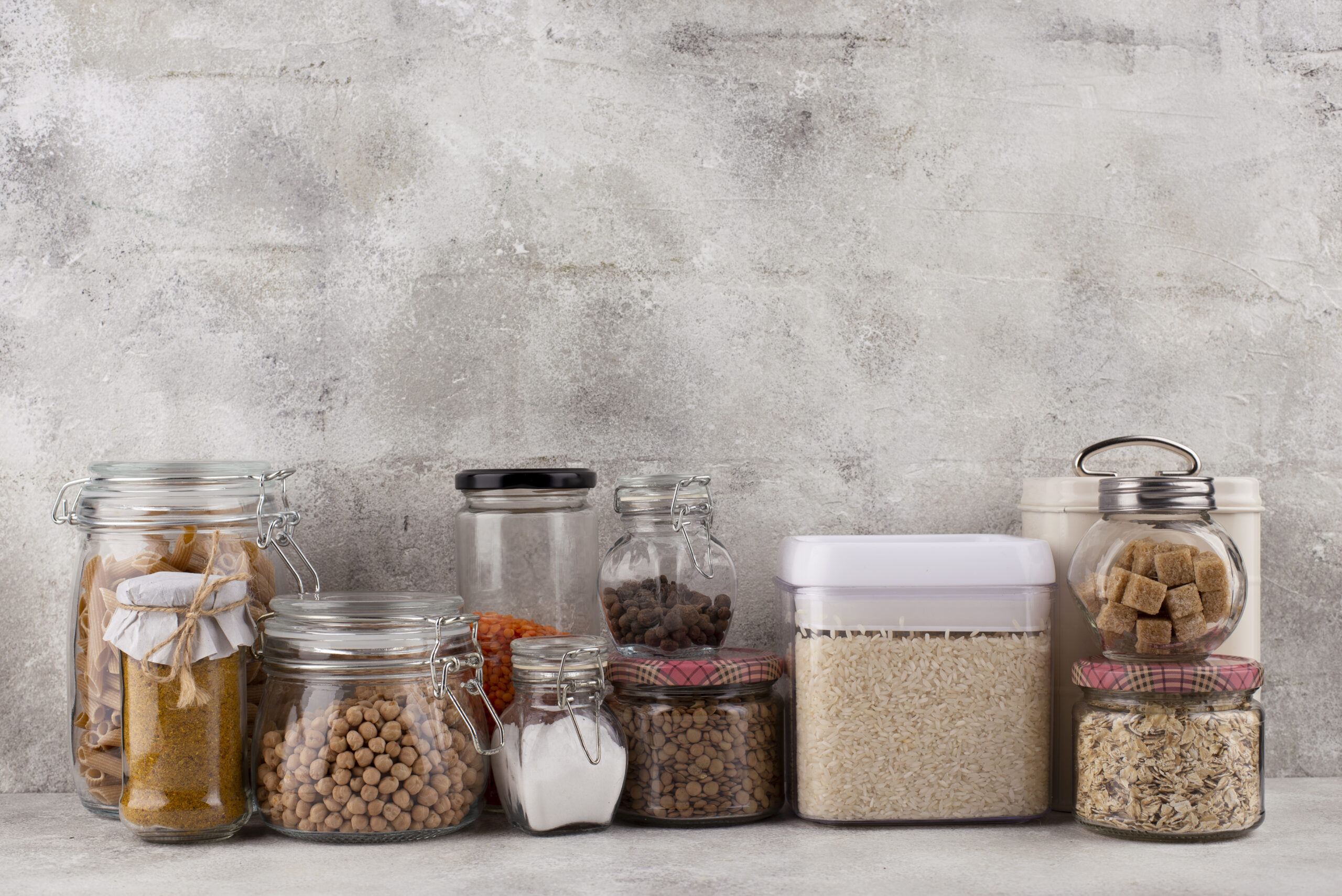
Quality food canisters solve these issues by creating an airtight barrier between your food and the environment.
What Makes a Food Canister Actually Work?
The best food canisters share specific characteristics that cheap alternatives lack.
- Airtight seals are non-negotiable. Look for silicone gaskets that create compression seals. These prevent air exchange completely. Clamp-style lids or threaded caps with rubber seals work best.
- Material quality determines longevity and safety. Borosilicate glass resists thermal shock and never absorbs flavors. BPA-free plastic works for dry goods but degrades faster than glass. Stainless steel excels in durability, but you can’t see the contents without opening it.
- Proper sizing matters more than people realize. Too large means excess air in the container. Too small forces you to use multiple containers for one product. Standard flour bags contain about 4 pounds, requiring roughly a 6-liter container.
- Wide openings make scooping easy and cleaning simple. Narrow-mouth containers frustrate users and harbor residue in corners.
Top Food Canister Options for Different Needs
Glass Canisters with Clamp Lids
These traditional-style containers use wire bail clamps and rubber gaskets. The mechanism creates serious sealing pressure. Bormioli Rocco Fido jars and similar designs have proven themselves over decades.
They work perfectly for flour, sugar, rice, pasta, coffee beans, and tea. The glass stays crystal clear forever. You can see exactly how much remains without opening.
The downside is weight. A large glass canister filled with flour becomes quite heavy. They also break if dropped, though quality glass is surprisingly impact-resistant.
OXO Pop Containers
These plastic containers revolutionized pantry storage with their push-button seal mechanism. One press creates an airtight seal—another press release.
The modular sizing system allows efficient pantry organization. Rectangular shapes maximize shelf space better than round containers. The corners are genuinely rounded for easy cleaning.
OXO containers stack securely without sliding. The lids come apart completely for thorough washing. After years of heavy use, the seals remain effective.
They handle everything from cereals to brown sugar to snacks. The clear plastic lets you monitor supply levels at a glance.
Stainless Steel Containers
Metal canisters block all light, which protects light-sensitive foods like flaxseed and nutritional yeast. They’re virtually indestructible and never stain.
Many feature viewing windows or transparent lids to check contents. Look for models with silicone-sealed lids rather than simple friction-fit caps.
The main limitation is opacity. Unless you check frequently, you might forget what’s inside or how much remains.
Vacuum-Seal Containers
These specialized canisters use battery-powered pumps to remove air after sealing. The reduced oxygen dramatically extends the freshness of foods like coffee, nuts, and dried herbs.
Brands like Fellow Atmos and FoodSaver offer reliable vacuum systems. They’re overkill for flour or sugar, but excellent for expensive ingredients you use slowly.
The pump mechanisms require maintenance and battery changes. Still, for preserving coffee beans, the investment pays off in flavor retention.
Pantry Pest Prevention That Actually Works
Moths, weevils, and beetles don’t materialize from nowhere. They arrive with groceries, such as eggs too small to see. Once home, they hatch and infest your entire pantry.
Transfer all grain products immediately after purchase. Don’t wait until you need them. This includes flour, rice, oats, cereal, pasta, beans, and birdseed. Even sealed bags from the store can harbor pest eggs.
Check container seals monthly by closing empty containers and submerging them in water. Bubbles indicate seal failure. Replace gaskets or containers showing leaks.
Freeze new products first if you’re concerned about pest eggs. Twenty-four hours at 0°F kills all life stages. Then transfer to canisters for storage.
Clean containers between refills instead of simply topping off. This prevents residue buildup and removes any pest presence before it spreads.
Organization Systems That Maintain Themselves
Random container placement creates visual chaos and makes finding items difficult. A strategic organization saves time and reduces food waste.
Group by category rather than by container type. Baking supplies together, breakfast items together, snacks together. This matches how you actually cook and reduces searching.
Use uniform containers within each category. Mixing shapes and sizes looks cluttered and wastes space. Stick with one brand’s system for each zone.
Label everything clearly with both contents and purchase date. Dry-erase markers on glass work temporarily. Label makers create permanent, professional results. This prevents mystery containers and helps track rotation.
Place taller containers behind shorter ones in deep shelves. This theater-style arrangement keeps everything visible. You won’t forget about items hidden in the back.
Position frequently-used items at eye level and arm’s reach—Reserve high and low spots for occasional ingredients.
How Long Different Foods Actually Last?
Proper storage extends shelf life significantly, but nothing lasts forever.
- All-purpose flour keeps 6-8 months in airtight containers at room temperature. Whole-grain flours contain oils that turn rancid faster, lasting only 3 months unless refrigerated.
- White rice stores for years when sealed properly. Brown rice spoils within 6 months due to the oil content in the bran layer.
- Granulated sugar never expires if kept dry. Brown sugar hardens but remains usable indefinitely.
- Coffee beans maintain peak flavor 2-3 weeks after roasting in standard containers, 4-6 weeks in vacuum-sealed storage.
- Pasta keeps for 1-2 years easily. Look for discoloration or odd smells indicating spoilage.
- Nuts and seeds go rancid at room temperature within months. Refrigerated or frozen, they last over a year.
- Dried herbs and spices lose potency after 6-12 months but remain safe. If they don’t smell strong, they won’t add much flavor.
Common Storage Mistakes to Avoid
People often damage food without realizing their containers are the problem.
- Storing in warm locations accelerates staleness and pest activity. Keep canisters away from stoves, dishwashers, and sunny windows. Heat degrades food quality rapidly.
- Overfilling containers prevents proper sealing. Leave at least an inch of headspace for the lid mechanism to engage correctly.
- Mixing old and new when refilling spreads any contamination throughout the container. Always empty and clean between batches.
- Skipping gasket replacement causes gradual seal degradation. Most manufacturers sell replacement gaskets. Change them annually for heavily used containers.
- Using damaged containers with cracks, chips, or warped lids compromises the entire storage system. Discard and replace rather than hoping they’ll work.
Making the Investment Worth It
Quality food canisters cost more upfront than disposable storage, but they pay for themselves quickly.
Calculate your annual food waste. If you throw away one bag of flour ($5), one box of cereal ($6), and lose half a pound of coffee to staleness ($8) each year, that’s $19 wasted. Four good containers cost $40-80, but eliminate this waste for a decade or more.
The containers also protect bulk purchases, which cost less per ounce. You’ll save money buying the 25-pound bag of rice instead of multiple small boxes.
Start with containers for your most-used items. Flour, sugar, rice, and cereal make sense for most households. Expand as the budget allows, rather than buying everything at once.
The Bottom Line on Food Storage
You don’t need expensive gadgets or complicated systems. You need containers that seal properly and a commitment to using them consistently.
Transfer groceries the day you shop. Check seals periodically. Label contents clearly. Clean containers between uses. This routine takes minutes but preserves hundreds of dollars in food annually.
The right canisters transform a cluttered, pest-prone pantry into an organized, efficient space. Your ingredients stay fresh longer, shopping becomes easier, and cooking feels less chaotic.