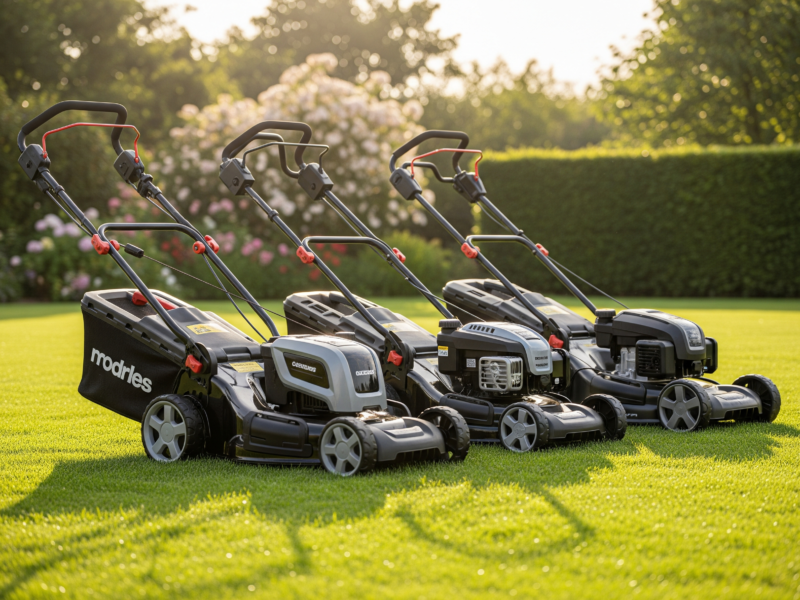
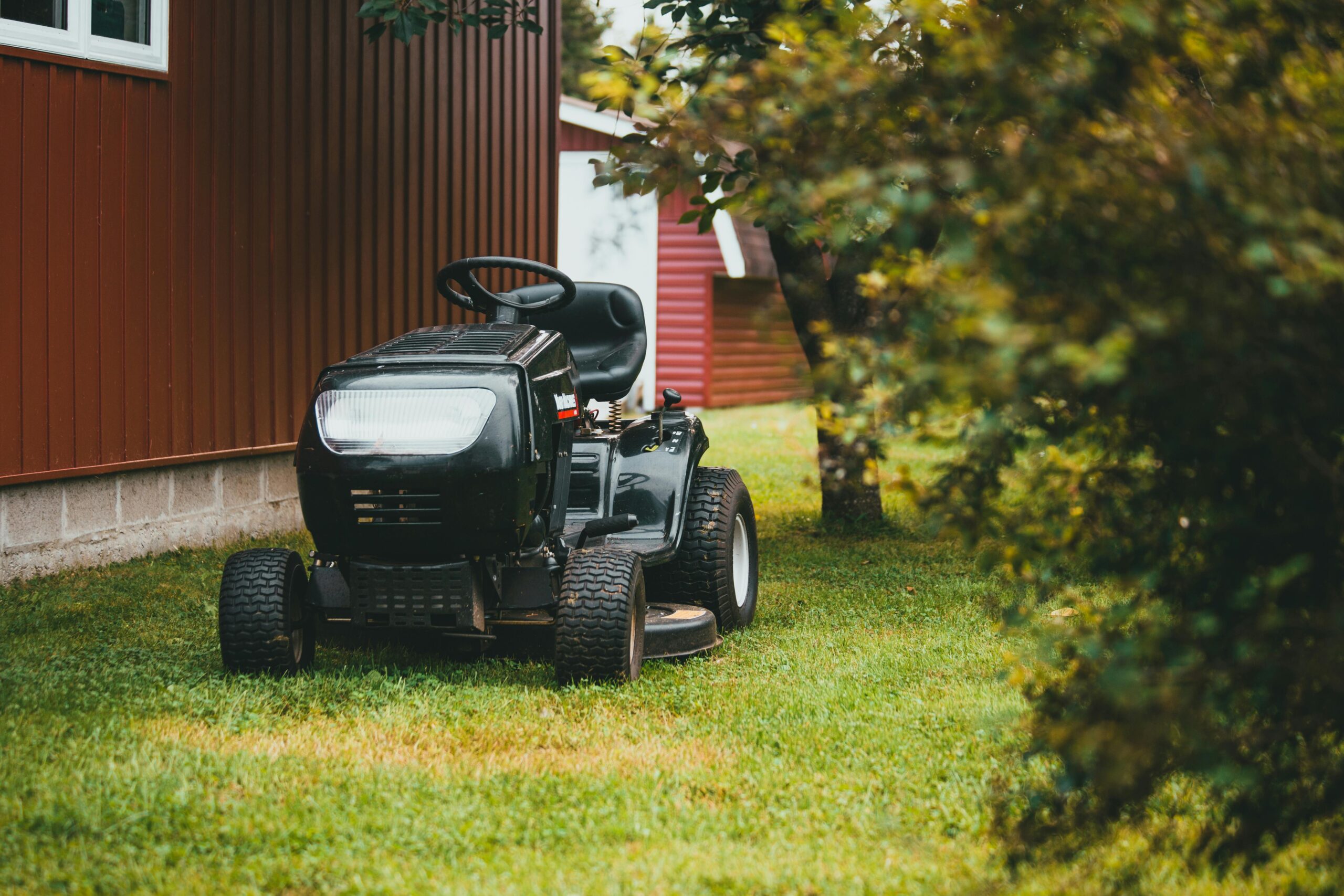
Walking into a hardware store or browsing Amazon for a lawnmower seems more like taking a pop quiz you didn’t prepare for.
When you encounter concepts like “torque,” “brushless motors,” and “hydrostatic transmission,” all you want to do is hire a neighbor’s kid to trim the grass forever.
I have been there. You want a grass-cutting machine that doesn’t break down or require an engineering degree to use. But here’s the thing: purchasing the wrong mower is more than simply a waste of money; it transforms a Saturday morning duty into a weekly pain.
If you are purchasing your first machine, you do not require the most costly commercial beast on the market. You require usability, dependability, and precise specifications for your terrain.
1. The Power Source
Before you can consider wheels or blades, you must first choose a team. This is the most important decision you will make because it affects the entire mowing experience.
The Rise of Battery Power
If you’d asked me five years ago, I’d have said stick with gas. Today? It’s a different ballgame. Most novices choose battery-powered mowers.
- Push-Button Start: No need to tug the pull cord until your shoulder dislocates. You press a button, hold a lever, and the motor comes to life.
- Quiet Operation: Your neighbors will not hate you for mowing at 8:00 a.m.
- Low Maintenance: No oil changes, no spark plugs, and no stale fuel. Charge and go.
- Modern lithium-ion batteries can power a regular ¼ to ½ acre area with a single charge.
The Case for Gas
However, don’t give up on gas totally. If you have a large yard (more than ½ acre) or allow your grass to grow into a jungle, gas remains the king. It provides raw torque that batteries struggle to match in harsh situations.
However, be prepared for routine maintenance such as oil changes, air filter replacements, and fuel purchases.
Corded Electric
Unless you have a little patch of grass adjacent to an outlet, skip this. Managing a 100-foot extension cord while attempting to mow grass is a form of torment I would not want on anyone.
Pro Tip: If you go with a battery, invest in an “ecosystem.” Choose a company whose mower battery also suits their string trimmer and leaf blower. It will save you a fortune later.
2. Drive System
This is where you may choose how much of a workout you want. When seeking the Best lawn mower features for Beginners to Look For, understanding the driving system is essential.
Push mowers
You supply the muscle. The motor rotates the blade, but you have to push the machine itself.
- Ideal for flat, small yards (≤ ¼ acre).
- Pros: Lighter, less likely to break, and less expensive.
- Cons: Physically exhausting on hills or in tall grass.
Self-Propelled Mowers
These devices use a transmission to turn the wheels. You walk behind and steer.
- Rear-Wheel Drive (RWD) is the gold standard for slopes. When you push down on the handle to turn, the front wheels raise while the back wheels (the ones with power) remain stationary. It provides traction when you need it most.
- Front-wheel drive (FWD) is ideal for flat terrain with plenty of obstacles. You can effortlessly tip the mower back and pivot around a flower bed without disengaging the drive.
- All-Wheel Drive (AWD) is the SUV of mowers. Only necessary if your yard resembles a mountain range.
3. Deck Size
You could assume, “I’ll get the biggest deck possible so I can finish faster.” Hold your horses.
The deck size influences how wide a path you can carve in a single pass.
- The normal size for walk-behind mowers is 20 to 22 inches. It’s wide enough to be useful but narrow enough to get through gates and navigate past trees.
- 30+ inches: These are “wide-area” mowers. They are heavy, difficult to store, and frequently excessive for the average residential lawn.
- Under 20 inches: Ideal for small city lots, but you’ll be walking back and forth all day on a standard lawn.
For a beginner, go with the 21-inch sweet spot. It achieves a balance between speed and control.
4. Single-Point Height Adjustment
This feature will save your sanity.
To vary the cutting height on an old mower, you had to move a lever on each of the four wheels separately. It’s time-consuming, and half the time you wind up with an unstable mower because one of the wheels is out of notch.
Look for a Single-Point Height Adjustment Lever.
This is a single lever, usually located near the rear wheel, that raises or lowers the entire deck simultaneously.
Why this matters: Grass health varies with the weather. In the hot summer, cut high to shade the earth. In the chilly spring, you may cut lower. Being able to change heights in two seconds motivates you to mow properly.
5. The 3-in-1 Capability (Mulch, Bag, Side Discharge)
Versatility is essential. You’re not sure what kind of gardener you are yet, so acquire a machine that does everything.
- Mulching: The deck is meant to slice grass clippings into tiny confetti and return them to the lawn. This adds free nitrogen to your soil. It’s the healthiest method to mow.
- Bagging: The vacuum motion collects clippings in a rear bag. This is ideal if you want a clean “golf course” appearance or if your grass is too tall to mulch without clumping.
- Side Discharge: The grass is shot out the side. You use this after two weeks of vacation, and the grass is knee-high. Bagging would instantly clog; mulching would cause the motor to halt. Side discharge clears the deck.
Make sure your mower comes with a mulch plug and a bag in the box.
6. Vertical Storage
This is a recent innovation that is a complete game-changer for households with limited garage space.
Engineers have begun constructing mowers (mainly electric, but some gas) that can fold totally flat and stand vertically against a wall.
- Area Saver: Instead of occupying 10 square feet of floor area, it takes up only 2.
- Cleaning Access: With the mower standing up, you have easy access to the underneath of the deck to remove caked-on muck and grass.
Check out reputable reviews from sites like Consumer Reports to determine which models provide the most solid vertical storage.
7. Washout Port
If you purchase a gas or battery mower that is not designed for vertical cleaning, search for a deck washout port.
Here’s how it works: Attach your garden hose to a nozzle on top of the mower deck. When you switch on the water and start the engine, the whirling blade whips the water around, blasting wet grass from the inside of the deck.
Why it matters: Wet grass clumps beneath the deck obstruct airflow. This minimizes lift, so your cut looks dreadful. Over time, the damp grass rusts the steel deck out. A clean deck equals a happy deck.
8. Ergonomics and Handle Adjustability
You’ll be holding onto this machine for 45 minutes to an hour each week. It has to fit you.
- Adjustable Handlebar Height: If you are 6’4″ and the handle is too low, your lower back will scream within 10 minutes. If you are 5’2″ and it is too high, you will lose leverage. Look for a mower with at least three height settings for the handle.
- Comfort Grip: A bare metal bar vibrates, numbing your hands. Search for thick foam or rubber padding. It considerably lowers the tiredness caused by vibration.
9. Blade Brake Clutch (BBC)
This is a premium feature, but if you have a yard with lots of obstacles, it is worth every penny.
On a standard mower, if you let go of the handle, the engine dies. If you need to stop to pick up a stray stick, a dog toy, or a rock, you have to restart the engine every single time.
A Blade Brake Clutch allows you to disengage the blade while keeping the engine running.
You can step away, move the garden hose, and step back behind the mower without pulling a cord or hitting the start button again. It sounds like a small luxury, but it saves a massive amount of frustration.
10. Understanding Wheel Size
Some mowers have four equal-sized wheels, while others have enormous rear wheels (high wheels).
- High rear wheels (10-12 inches) are ideal for tough terrain. The larger diameter wheels travel over ruts, tree roots, and bumps far more smoothly than small wheels. If your yard is bumpy, choose high rear wheels.
- Standard wheels (8 inches) are suitable for precisely flat, manicured lawns.
What are the Essential Safety Features?
Safety is not a marketing gimmick; it keeps your toes on your feet. When scanning the specs, make sure these are present:
- Operator Presence Control: This is the bar you press against the handle. If you let go, the blade must halt within three seconds. Never tape it down.
- Trailing Shield: A flap on the back of the mower that keeps debris (rocks, mulch) from flying backward at your shins.
- Stone Guards: Ensure that the side discharge chute has a heavy-duty deflector to direct hurled materials downward, not outward.
For further information on safety regulations, the Outdoor Power Equipment Institute (OPEI) offers helpful guidelines for safe operation.
11. Warranty and Parts Availability
Here is the reality of machinery: things break. You hit a hidden stump and bend a blade. A wheel wobbles loose.
Before you buy, check the warranty.
- Standard: 2 to 3 years.
- Great: 5 years (common with premium electric brands like EGO or Toro).
Also, do a quick Google search for “[Mower Model] replacement blade.” If you can’t find parts easily online or at a local store, do not buy that mower. You do not want a disposable machine.
Conclusion
Choosing the correct machine does not need to be a nightmare. When the glitzy marketing is removed, the Best Lawnmower Features for Beginners to Look For are usability and terrain-specific.
For 90% of today’s beginners, the winning formula is as follows:
- Power: Battery (Lithium-Ion).
- Drive: Self-propelled (RWD if hilly).
- Deck: 21-inch steel deck.
- Convenience: Single-point height adjust and vertical storage.
Don’t overthink the horsepower or the paint color. Consider how easy it is to start, alter, and store.