It’s hard to watch an older person try to use a hefty, bulky gas mower. It’s not only the perspiration; it’s the danger too. If you make a mistake or pull a cord that fights back, you could hurt yourself or worse.
Taking care of your lawn and garden should be fun and a way to keep active and proud of your house. It shouldn’t feel like a fight.
If you or someone you care about has trouble moving around, has arthritis, or doesn’t have the upper-body strength you used to, the normal heavy-duty gear won’t work. You need tools that help you, not hurt you.
Why the Right Mower Matters for Senior Health?
The toll on your body from mowing. Not just walking back and forth. It’s the pushing, spinning, and vibrating that goes up your arms.
The Arthritis Foundation says that repetitive stress and vibration can make joint pain much worse. A normal gas mower might weigh more than 80 to 90 pounds. If you ask a weak person to push that across bumpy terrain, they could get hurt.
This is what we are up against:
- The main cause of rotator cuff strain is pulling a starter cord over and over again.
- Lower Back Stress: Pushing a big machine, especially up a hill, exerts a lot of stress on the lower back.
- Vibration Fatigue: Gas engines shake. A lot. This makes the hands feel numb and tired, which is sometimes dubbed “white finger.”
The idea is simple: we need to lose weight, get rid of the pull cord, and let the machine do the work.
Why Electric is Non-Negotiable?
This is the only bit of advice I can give you right now: Get rid of the gas.
A lot of individuals swear by gas. But gas mowers are no longer useful for older people. They are hefty, need messy fuel mixing, and need a lot of strength to start.
The Power of the Push Button
You can start a modern battery-powered mower using a button. That’s all. You push a button, draw the safety bail, and the motor begins to hum.
- No resistance means no pressure on the shoulders.
- Instant start: You don’t have to prime the engine or change the choke.
- It works every time, unlike a gas engine that might not run well after a cold winter.
Battery technology has caught up. A regular quarter-acre lot doesn’t need engine maintenance, and a 40V or 56V lithium-ion battery has enough power to do the job.
Key Features to Look For in Lightweight Lawnmowers
Don’t just look at the price tag when you go shopping. You should carefully read the spec sheet. This is your list.
1. Total Weight Under 50 Pounds
This is your lucky number. A gas mower with a steel deck weighs more than 80 pounds. You need a mower with a deck made of poly (plastic) composite.
People sometimes think that plastic is cheap. No, it doesn’t. Composite decks used now are powerful, don’t corrode, and most importantly, they make the machine 20 to 30 pounds lighter.
2. Self-Propelled vs. Push
I hear this argument a lot. “Do I need self-propulsion if the mower is light enough?”
No, not for a healthy 30-year-old. For an older person? Yes, for sure.
Rear-wheel drive is excellent for mountainous yards, while front-wheel drive is best for flat land since you can tip the mower back to spin it. You don’t have to push the mower; it does that on its own. It makes a workout feel like a walk.
3. Ergonomic Handle Adjustability
Not everyone will fit in the same size. You put a lot of strain on your shoulders if the handle is too high. If it’s too low, it hurts your back.
Look for models that have:
- Quick-adjust handles are levers that enable you to modify the height in a matter of seconds.
- Foam grips: To keep vibrations from getting to the hands.
- Design that folds up: This makes it easy to put away without having to fight it into the shed.
Top Categories of Mowers for Low-Strength Users
We can put the top choices into three groups based on how much work they take.
The “Zero Effort” Option: Robotic Mowers
This is the best answer if you have the money. A robotic mower, such as the Husqvarna Automower or Worx Landroid, lives on the grass.
- The Pro: You don’t have to do anything. It trims the grass on its own.
- The Con: Setting them up requires laying a boundary wire (though newer models utilize GPS), and they cost a lot.
- Verdict: This gives you freedom if you can’t move very much. You don’t have to push anything.
The “Featherweight” Option: Corded Electric
I usually don’t suggest cords because they can be dangerous if you fall on them. But corded mowers are the lightest devices you can get because they don’t have a large battery or gas engine.
- Weight: Usually less than 30 pounds.
- Use Case: Small, flat lawns close to the house.
- Be careful with the cord. If the user might trip over a cord, don’t do this; go cordless.
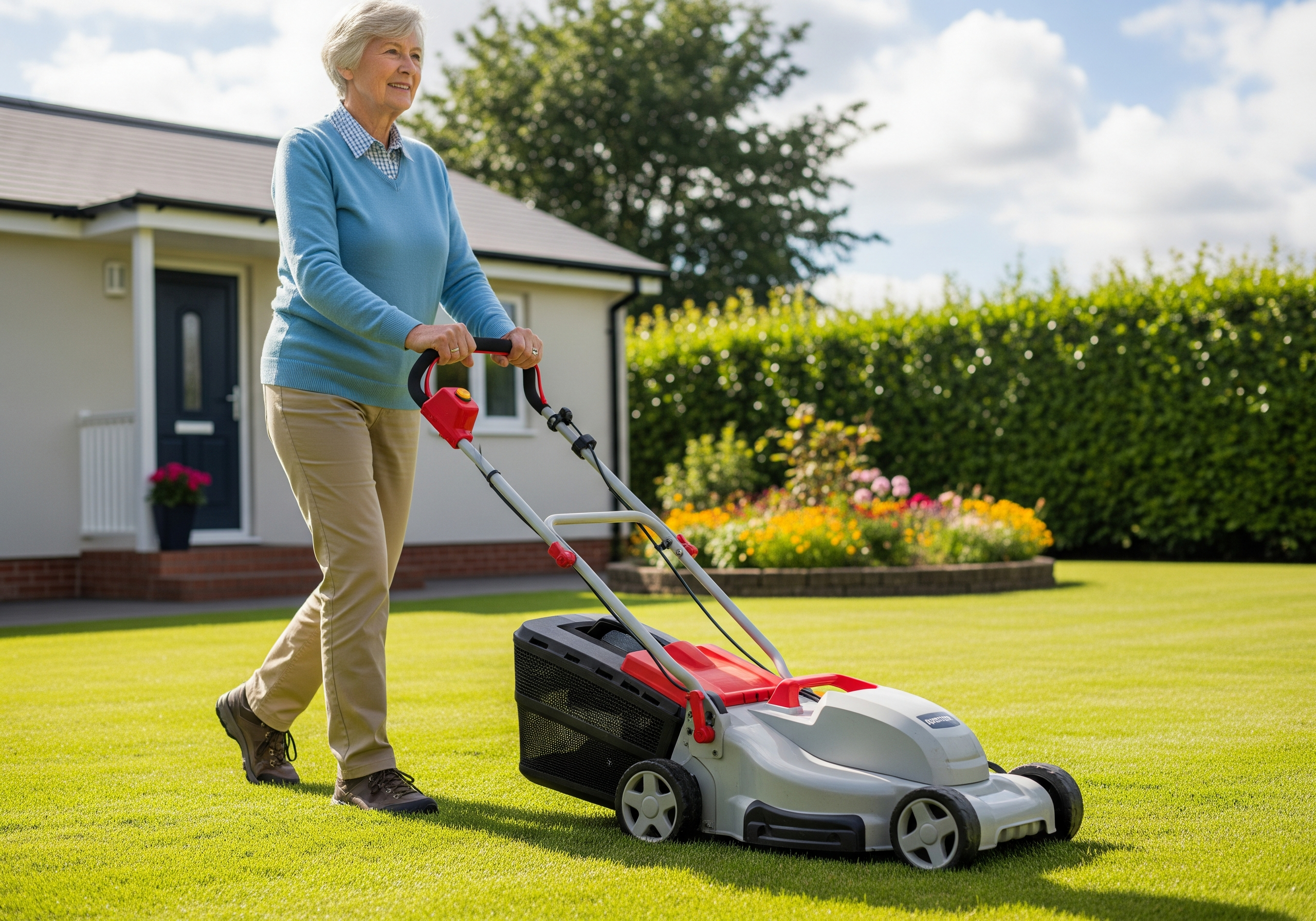
The “Gold Standard”: Cordless Battery Push Mowers
This is the best place for 90% of seniors. Greenworks, EGO, and Ryobi are the most popular brands here.
- Greenworks 40V Series: These decks are usually relatively light and made of plastic, and they are very easy to use.
- EGO Power+: It’s a little heavier, but the battery lasts longer. The extra weight is worth it for people with bigger yards who don’t want to have to change batteries halfway through.
Safety First: Essential Tips for Senior Mowing
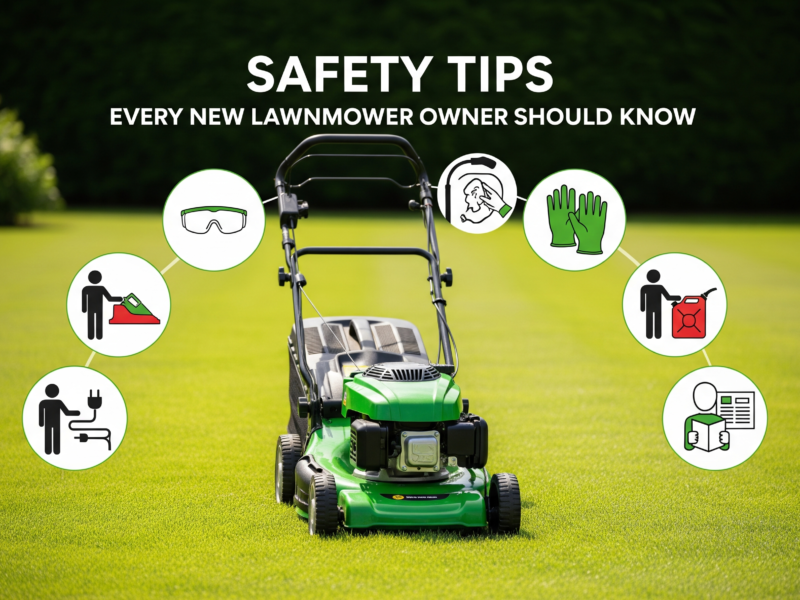
Getting the appropriate mower is only half the battle. The other half is using it safely. Too many incidents that may have been avoided have happened due to bad timing or dress.
Time of Day Matters
Don’t cut the grass at midday. Older people get dehydrated faster than they think. Mow in the early morning (after the dew has dried) or late afternoon. The safest time of day is when it’s the coolest.
The Shoe Rule
Do not ever mow in sandals or slip-on shoes. You still need steadiness, even with a light mower. Put on shoes with a firm grip and a closed toe. An older person can break their hip if they stumble on grass, which is a life-changing injury.
The “Deadman” Switch
Make sure that the mower’s safety bail, which is the bar you hold down to keep the motor going, works. If you release the go, the blade has to halt right away. You should never tie this handle down to keep it going. It’s there to keep fingers and toes safe.
Maintenance: Keep It Pain-Free
One of the best things about adopting electric for seniors is that they don’t have to do any upkeep. But there are still a few things you need to remember to keep the machine light and operating.
- Scrape the deck: Grass that builds up under the deck makes it heavier. After mowing, use a plastic scraper to keep it clean.
- Taking care of batteries: Keep them inside. Extreme heat or cold in a shed will kill them.
- Sharpening the blade: A dull blade needs more power and pushing force to cut the grass. Once a season, take it to a local store to get it sharpened.
Conclusion
You don’t have to give up your yard just because you’re getting older. You need to be smarter about the tools you utilize.
There is no longer a need to wrestle with a hefty, loud, and smoking gas mower. You’re not only mowing grass when you move to a lightweight, battery-powered mower or even a robot. You are keeping your freedom, protecting your back, and keeping your joints healthy.