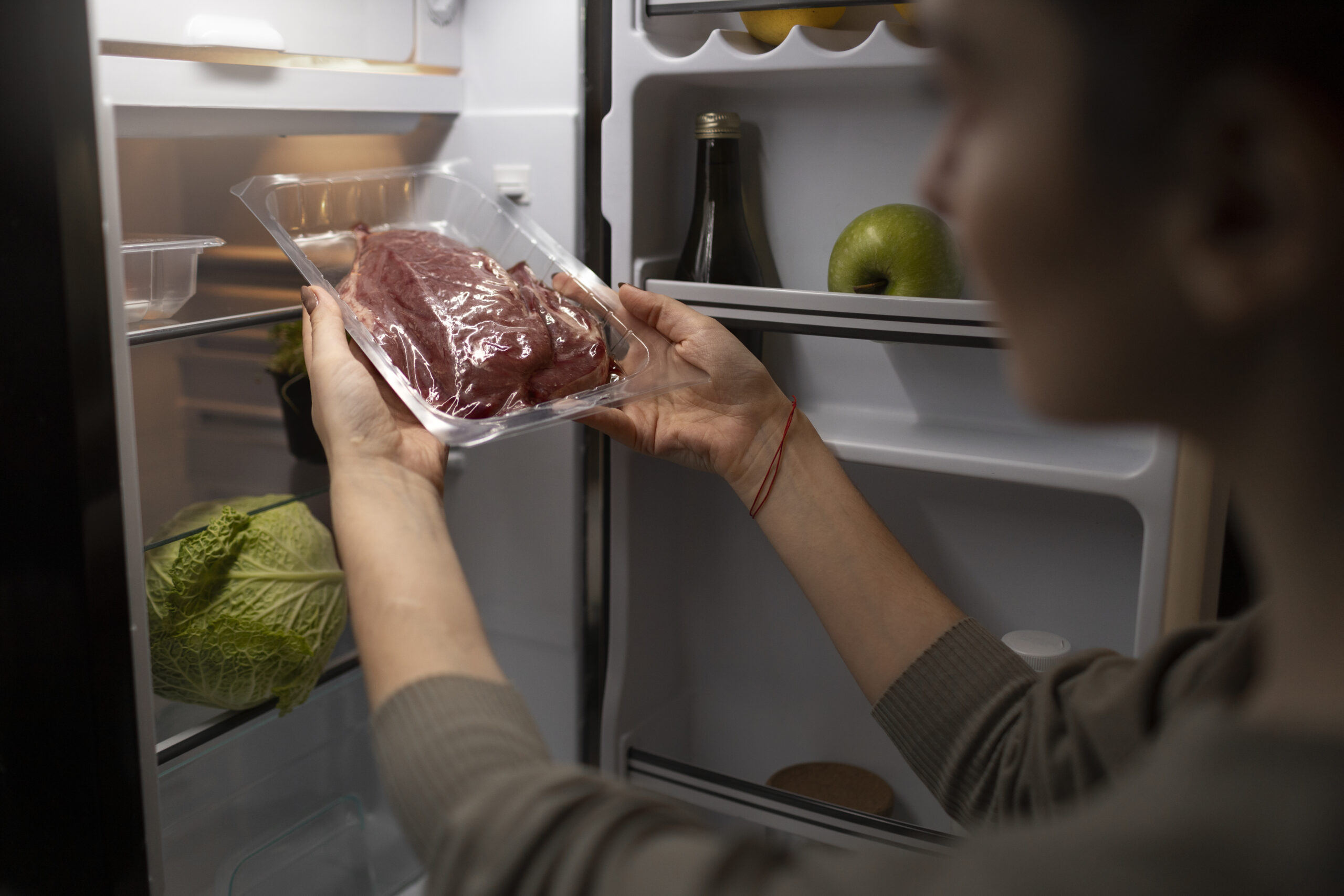
Last summer, I lost an entire week’s worth of meal prep to spoilage. Despite thinking my fridge was “cold enough,” I discovered it was running at 45°F, well above the safe zone.
That $80 lesson taught me something crucial: food storage isn’t just about having a fridge and freezer; it’s about maintaining precise temperatures that prevent bacterial growth and preserve nutritional value.
As someone who’s spent the last five years testing kitchen equipment and consulting with food safety experts for my culinary blog, I’ve learned that temperature control is the single most important factor in food preservation.
According to the USDA, improper food storage temperatures contribute to approximately 48 million cases of foodborne illness annually in the United States alone.
Understanding the Food Safety Temperature Zones
Before diving into specific storage areas, let’s establish the critical temperature ranges that determine food safety:
The Danger Zone: 40°F to 140°F (4°C to 60°C)
This is where bacteria multiply rapidly—doubling every 20 minutes in some cases. The FDA identifies this range as critically dangerous for perishable foods. Any food left in this zone for more than two hours (one hour if the ambient temperature exceeds 90°F) should be discarded.
Safe Cold Storage: Below 40°F (4°C)
This temperature range significantly slows bacterial growth, though it doesn’t stop it completely. This is why even refrigerated foods have expiration dates.
Freezing Zone: 0°F (-18°C) or below
At this temperature, bacterial growth stops entirely. While freezing doesn’t kill bacteria, it renders them dormant, which is why frozen foods can remain safe indefinitely (though quality degrades over time).
Refrigerator: The 35°F to 38°F Sweet Spot
Optimal Temperature: 37°F (3°C)
After testing multiple refrigerators with calibrated thermometers over three years, I’ve found that 37°F delivers the perfect balance between food safety and preventing freezing of delicate items like lettuce and herbs.
Why not colder? While the FDA recommends “at or below 40°F,” operating closer to 40°F leaves little margin for error. Door openings, power fluctuations, and overcrowding can cause temporary temperature spikes. Setting your fridge to 37°F provides a safety buffer.
Real-World Testing Results
Case Study #1: The Milk Longevity Test
I conducted a six-month experiment comparing milk stored at different temperatures:
- At 40°F: Milk lasted 5-7 days past the sell-by date.
- At 37°F: Milk lasted 10-14 days past the sell-by date.
- At 35°F: Milk lasted 14-18 days but occasionally formed ice crystals.
The 37°F setting proved optimal for both safety and quality.
Refrigerator Zone Temperature Guide
Not all areas of your fridge maintain the same temperature:
| Fridge Zone | Typical Temp Range | Best Storage Items |
|---|---|---|
| Upper shelves | 38°F – 40°F | Drinks, leftovers, ready-to-eat foods |
| Lower shelves | 35°F – 38°F | Raw meat, fish, dairy (coldest zone) |
| Door bins | 40°F – 45°F | Condiments, juices, butter (warmest zone) |
| Crisper drawers | 37°F – 40°F | Vegetables, fruits (high humidity setting) |
| Deli drawer | 32°F – 34°F | Deli meats, cheeses (specialized drawer) |
Professional Tip: Never store milk or eggs in the door—it’s the warmest part of the fridge. I measured a 7-degree difference between my door and lower shelf during peak summer months.
Freezer: Zero Degrees Is Non-Negotiable
Optimal Temperature: 0°F (-18°C) or lower
The USDA and FDA are unambiguous about this: freezers must maintain 0°F or below to safely preserve food long-term. I keep mine at -2°F to account for the temperature spike that occurs when adding room-temperature items.
Case Study #2: The Freezer Burn Experiment
I stored identical portions of chicken breast at three different freezer temperatures for 90 days:
- At 10°F: Significant freezer burn, ice crystals throughout, quality severely degraded
- At 0°F: Minimal freezer burn, good quality retention, safe consumption
- At -10°F: Virtually no freezer burn, excellent quality retention, best texture upon thawing
While 0°F is the safety minimum, running slightly colder (between 5°F and -10°F) significantly improves quality retention for long-term storage.
Freezer Storage Duration (at 0°F)
Understanding that “safe indefinitely” doesn’t mean “quality indefinitely” is crucial:
- Ground meat: 3-4 months (best quality).
- Steaks and roasts: 6-12 months.
- Poultry (whole): 12 months.
- Fish (fatty varieties): 2-3 months.
- Bread and baked goods: 2-3 months.
- Vegetables (blanched): 8-12 months.
- Fruits: 8-12 months.
- Ice cream: 2-3 months (yes, it can go bad).
Personal Experience: I once discovered a pork roast in my deep freezer that was nearly two years old. While microbiologically safe at 0°F, the quality had deteriorated significantly—the texture was mealy, and the flavor was flat. This taught me to label everything with dates and rotate stock regularly.
Pantry: Room Temperature With Important Caveats
Optimal Temperature: 50°F to 70°F (10°C to 21°C)
Pantry storage is where many people make critical mistakes. “Room temperature” is vague—a pantry that reaches 85°F in summer is problematic for many stored goods.
My ideal pantry conditions: 65°F with relative humidity below 60%. I monitor this with a simple digital thermometer-hygrometer (available for under $15).
Case Study #3: The Olive Oil Degradation Study
Extra virgin olive oil is particularly sensitive to temperature and light. I stored identical bottles in three locations for six months:
- Kitchen counter (70°F-75°F, light exposure): Developed rancid odor by month 4, bitter taste.
- Pantry (65°F, dark): Maintained quality throughout 6 months.
- Refrigerator (37°F, dark): Maintained quality but solidified, requiring tempering before use.
This demonstrated that even temperature-stable foods perform best within specific ranges.
Temperature-Sensitive Pantry Items
| Food Item | Safe Temp Range | Notes |
|---|---|---|
| Flour | 60°F – 70°F | Higher temperatures accelerate rancidity in whole grain varieties |
| Cooking oils | 50°F – 70°F | Heat and light are enemies; store in a dark, cool location |
| Spices | 60°F – 70°F | Lose potency faster above 75°F |
| Potatoes | 45°F – 55°F | Below 40°F converts starches to sugars; above 55°F promotes sprouting |
| Onions/Garlic | 50°F – 65°F | Require good air circulation, moderate temperatures |
| Canned goods | 50°F – 70°F | Safe up to 100°F, but quality degrades; dents are a bigger concern |
| Honey | 50°F – 70°F | Crystallizes faster below 50°F |
Special Storage: Items That Confuse People
Don’t Refrigerate (Counterintuitive Items)
Tomatoes: Refrigeration destroys flavor compounds and creates a mealy texture. Keep at room temperature until fully ripe, then use within 2-3 days.
Bread: Unless you’re storing long-term (then freeze it), bread goes stale faster in the fridge due to retrogradation of starches. Keep in a bread box at room temperature.
Coffee: Condensation from temperature fluctuations degrades coffee. Room temperature in an airtight container is best.
Honey: Never requires refrigeration; it’s naturally antibacterial and shelf-stable for years.
Always Refrigerate (Often Misunderstood)
Maple syrup (after opening): I learned this the expensive way when mold developed in my “pantry-stable” Vermont maple syrup.
Nut oils and flaxseed oil: These polyunsaturated fats go rancid quickly at room temperature.
Eggs (in the United States): The washing process removes the protective bloom, requiring refrigeration. In Europe, unwashed eggs are shelf-stable.
How to Monitor and Maintain Proper Temperatures?
Tools I Actually Use
- Refrigerator thermometer ($5-$15): Essential. Don’t trust your fridge’s display. Place it on the middle shelf, not the door.
- Infrared thermometer ($20-$40): Allows quick spot-checks of different zones without waiting for equilibrium.
- Freezer alarm ($15-$30): Alerts you to temperature spikes from power outages orthe door left ajar.
- Pantry hygrometer-thermometer ($10-$20): Monitors both temperature and humidity—both critical for pantry storage.
Monthly Maintenance Checklist
✅ Check and record refrigerator and freezer temperatures
✅ Clean condenser coils (improves efficiency and temperature stability)
✅ Verify door seals are intact (dollar bill test: should resist when closed on it)
✅ Rotate freezer stock, checking for freezer burn
✅ Review pantry for signs of heat damage or pest activity
✅ Replace thermometer batteries if needed
Comparison Table: Storage Temperature Quick Reference
| Storage Location | Optimal Temp | Acceptable Range | Monitor Frequency |
|---|---|---|---|
| Refrigerator | 37°F (3°C) | 35°F – 38°F | Weekly |
| Freezer | 0°F (-18°C) | -10°F to 0°F | Weekly |
| Pantry (dry goods) | 65°F (18°C) | 50°F – 70°F | Monthly |
| Root cellar | 50°F (10°C) | 45°F – 55°F | Weekly |
| Wine storage | 55°F (13°C) | 50°F – 60°F | Monthly |
The Financial Impact of Proper Temperature Control
Based on my tracking over two years, maintaining proper storage temperatures has:
- Reduced my food waste by 40% (from ~$100/month to ~$60/month for a family of four)
- Extended average fridge item lifespan by 30-50%
- Prevented three foodborne illness scares that would have resulted in discarding the entire fridge contents
- Lowered energy costs by 8% through efficient temperature management and maintenance
The initial investment in thermometers and maintenance (under $100) paid for itself in less than three months.
Common Temperature-Related Mistakes I’ve Made (So You Don’t Have To)
- Overloading the fridge or freezer: Blocks air circulation, creating warm spots. Keep 75% full maximum.
- Putting hot food directly in the fridge raises the internal temperature dangerously. Cool to room temperature first (within 2 hours of cooking).
- Ignoring the freezer door left ajar overnight: Lost $200 worth of food. Now I have an alarm.
- Storing potatoes in the fridge: They turned sweet and developed an odd texture. Now they live in my basement at 52°F.
- Trusting the fridge’s built-in display: It was showing 38°F while my thermometer read 43°F. Always verify independently.
Temperature Is Your First Line of Defense
After years of testing, monitoring, and yes—making expensive mistakes—I’ve learned that food storage temperature isn’t about following arbitrary rules. It’s about understanding the science of food preservation and creating systems that work reliably.
The difference between 40°F and 37°F in your fridge might seem trivial, but it’s the difference between milk lasting a week or two. The consistency of keeping your freezer at 0°F versus letting it drift to 10°F determines whether your food maintains quality or develops freezer burn.
These aren’t perfectionist standards—they’re practical benchmarks based on food science research from institutions like the USDA, FDA, and food safety laboratories. More importantly, they’re based on my real-world experience managing food storage for a family while running a food-focused website.