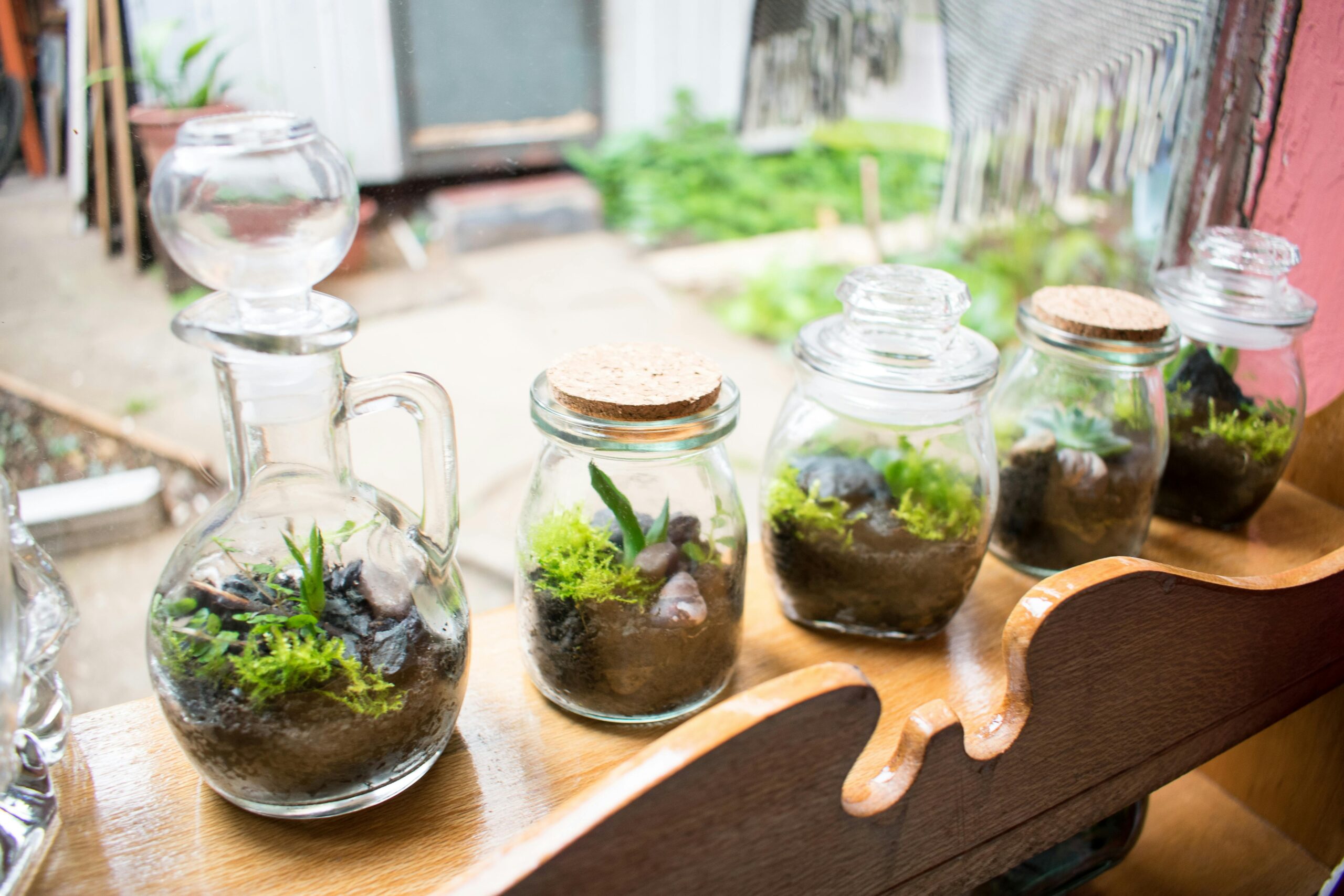
Growing a productive garden without a traditional backyard requires a shift in perspective. You are no longer just planting seeds in the ground; you are engineering an isolated micro-ecosystem.
When you strip away the buffer of the deep earth, every decision you make regarding soil volume, moisture retention, and spatial geometry is amplified.
If you have a balcony, a concrete patio, or even a sunny stairwell, you possess enough real estate to generate a substantial harvest. The key to moving from a few struggling, wilted herbs to a thriving, high-yield container garden lies in understanding the physics of pots and the unique environmental stressors of small-space growing.
The Physics of Pots: Size, Material, and Drainage
A common rookie error is selecting a container based purely on aesthetics. You might buy a beautiful six-inch ceramic bowl for a tomato plant, only to find the plant rootbound, perpetually thirsty, and severely stressed within weeks. In a container, the soil is the plant’s entire universe, and you must provide enough of it.
The 12-Inch Rule
As a baseline, start with containers that are at least 12 inches deep and 12 inches wide. Even for shallow-rooted plants like lettuce, a 12-inch depth offers essential water retention. Larger pots heat up and cool down more slowly, giving roots a stable environment and giving you a margin of error if you miss a watering session.
Material Trade-offs: Choosing the Right Vessel
Different materials drastically alter the microclimate of the root zone. Understanding these trade-offs will dictate how you water and position your garden.
| Container Material | The Practical Reality | Best Used For |
|---|---|---|
| Terra Cotta / Unglazed Clay | Highly porous. Water evaporates through the walls, meaning the soil dries out incredibly fast. They are heavy and resist tipping in the wind, but require diligent watering. | Drought-tolerant herbs (rosemary, thyme, sage) and succulents. |
| Plastic / Resin | Lightweight, affordable, and excellent at retaining moisture. However, they can tip over easily on windy balconies and may degrade in harsh UV light over several seasons. | Moisture-loving leafy greens, cucumbers, and large patio layouts. |
| Metal / Galvanized Tubs | Extremely durable but highly conductive. Metal pots placed in full summer sun can literally cook the plant’s roots. | Shaded or partially shaded locations, or lined heavily with insulating materials. |
| Fabric Grow Bags | Outstanding for aeration and preventing plants from becoming rootbound (air pruning). However, water evaporates rapidly from all sides, requiring daily irrigation in summer. | Potatoes, heavy-feeding tomatoes, and root crops. |
Critical Infrastructure: Regardless of the material, if a pot does not have drainage holes, it is a death trap for your plants. Roots sitting in waterlogged soil will rapidly succumb to rot.
Always use a drainage tray if you are growing on a wooden deck or balcony to prevent water staining, but ensure you empty it a few hours after watering to allow roots to access oxygen.
Soil is Everything: Ditch the Cheap Bagged Dirt
Never fill your containers with standard garden soil or cheap topsoil. Garden soil is incredibly dense; when saturated in a confined container, it compresses, squeezing out the air spaces that roots need to breathe. It also pulls away from the sides of the pot when it dries, allowing water to flush straight down the sides without rehydrating the root ball.
Instead, you need a high-quality, porous potting mix explicitly designed for containers. These soilless mixes usually consist of peat moss or coco coir (for moisture retention) and perlite or vermiculite (for aeration and drainage).
To build an optimal, nutrient-rich environment for heavy-yielding vegetables, try blending your own media. A reliable recipe is 50% commercial soilless potting mix and 50% high-quality compost.
The soilless mix provides the lightweight structure and drainage, while the compost acts as a slow-release nutrient bank and mimics the biological activity of the forest floor.
Strategic Plant Selection for Small Footprints
To maximize your yield per square foot, you need to match your crop to your container volume and available sunlight. Seed catalogs now feature an abundance of “compact,” “dwarf,” and “bush” varieties bred explicitly for small-space environments.
Standard vining vegetables will quickly outgrow a balcony, but dwarf varieties mature faster and produce manageable, concentrated yields.
Capacity Guidelines for Container Crops
- 1-to-2 Gallon Pots (6–8 inches deep): Ideal for fast-growing greens and root vegetables. You can grow 2 heads of leaf lettuce, 3 radishes, or a dense cluster of spinach.
- 3-to-5 Gallon Pots (10–12 inches deep): Perfect for bush cucumbers (which need frequent watering), compact bell peppers, and dwarf tomato varieties (like ‘Patio’ or ‘Tiny Tim’).
- 10-to-20 Gallon Pots (14+ inches deep): Reserved for “heavy feeders.” Standard indeterminate tomatoes, eggplants, and squash require massive root space and nutrient reserves to fruit properly.
Real-World Case Study: The 20-Gallon Salsa Garden
Mono-planting, putting a single crop in a single pot, is an inefficient use of limited space. Bare, exposed soil dries out quickly and leaches nutrients. Instead, utilize the “thriller-filler-spiller” design concept commonly used in ornamental gardening to build a dense, productive vegetable container.
Here is how to implement a high-yield “Salsa Garden” in a single 20-gallon container located in full sun:
Step-by-Step Implementation:
- Preparation (Autumn): Plant a single garlic clove near the edge of the pot before winter sets in. It requires cold stratification to form a bulb.
- The Thriller (Spring): In late spring, plant one robust plum or paste tomato directly in the center. This tall plant will anchor the arrangement. Stake it immediately to avoid damaging the roots later.
- The Fillers: Plant one compact hot pepper (like a jalapeño) next to the tomato. Tuck four cilantro plants into the remaining mid-ground spaces.
- The Spillers: Plant six green onion sets (scallions) around the very edge of the pot. They take up almost no horizontal space and can be cut repeatedly for continuous harvests.
By densely planting the container, the foliage of the cilantro and onions acts as a living mulch, shading the soil, keeping the roots cool, and significantly reducing daily water evaporation.
Mastering the Microclimate: Sunlight, Wind, and Watering
The rules of traditional gardening change when your plants are elevated on concrete or wooden decks.
Sunlight and Heat Stress
It is a common misconception that all vegetables need blistering, all-day sun. Container plants actually handle less sun than their in-ground counterparts because their limited soil mass heats up rapidly. If you place a dark plastic pot on a concrete patio in the afternoon sun, the soil can reach temperatures that literally cook the roots.
- The Fix: If your balcony gets brutal afternoon sun, provide 50% shade during the hottest part of the day, or stick to a morning-sun location. Container plants generally thrive on half to two-thirds of the sunlight required for in-ground plants.
The Wind Tunnel Effect
Balconies and rooftops frequently act as wind tunnels. High winds can snap tall plants, rapidly dehydrate the foliage, and blow over lightweight plastic pots.
- The Fix: Cluster your pots close together. This creates a shared, humid microclimate that reduces water loss, and the heavier pots will help shield the smaller ones from being overturned.
The Mechanics of Watering
Because potting mix drains so effectively and containers are exposed on all sides, they dry out rapidly. Daily watering is mandatory in the peak of summer, and twice-daily watering may be required during heat waves.
Expert Watering Technique:
- Check the depth: Never water just because the surface looks dry. Push your finger about a third of the way down into the pot; if it feels dry there, it’s time to water.
- Water the soil, not the leaves: Wet foliage is a breeding ground for fungal diseases like powdery mildew and blight. Apply water slowly at the base of the plant.
- Watch for the flush: Pour water until a small amount escapes from the bottom drainage holes. This ensures the entire root ball is saturated and flushes out built-up fertilizer salts.
External Link Suggestion: For state-specific watering schedules based on humidity, consult the [Royal Horticultural Society (RHS) Guidelines on Container Irrigation].
Common Mistakes to Avoid (Checklist)
- Forgetting Portability: A 20-inch container filled with wet soil and a mature tomato plant can easily weigh 100 pounds. If you live in an area prone to severe storms or early frosts, place heavy pots on wheeled plant caddies before you fill them with dirt so you can easily move them to safety.
- Replacing All Soil Annually: Dumping out expensive potting mix every spring is a massive waste of money. Adopt a container no-till approach: pull out the spent roots of last year’s annuals, and top-dress the pot with 2 to 3 inches of fresh, nutrient-dense compost. The nutrients will wash down into the lower soil profile every time you water.
- Over-Fertilizing with Synthetics: Because containers lack a massive soil buffer, synthetic fertilizers can easily build up and burn your plant’s roots. Rely primarily on high-quality compost, or apply a liquid organic fertilizer diluted to one-quarter strength every other time you water to provide steady, safe nutrition.
Final Thoughts
Container gardening reduces horticulture to its most basic parts: a container, a growing medium, light, and water. The margin for mistakes is narrower than in traditional backyard farming, but you have complete control.
You can turn the smallest concrete slab into a lush, productive green space by buying pots that are the right size, choosing high-quality compost over cheap dirt, and sticking to a strict watering schedule. To increase your confidence, start with fast-growing, dependable crops like lettuce and green onions. Each season, add more crops to your urban harvest.