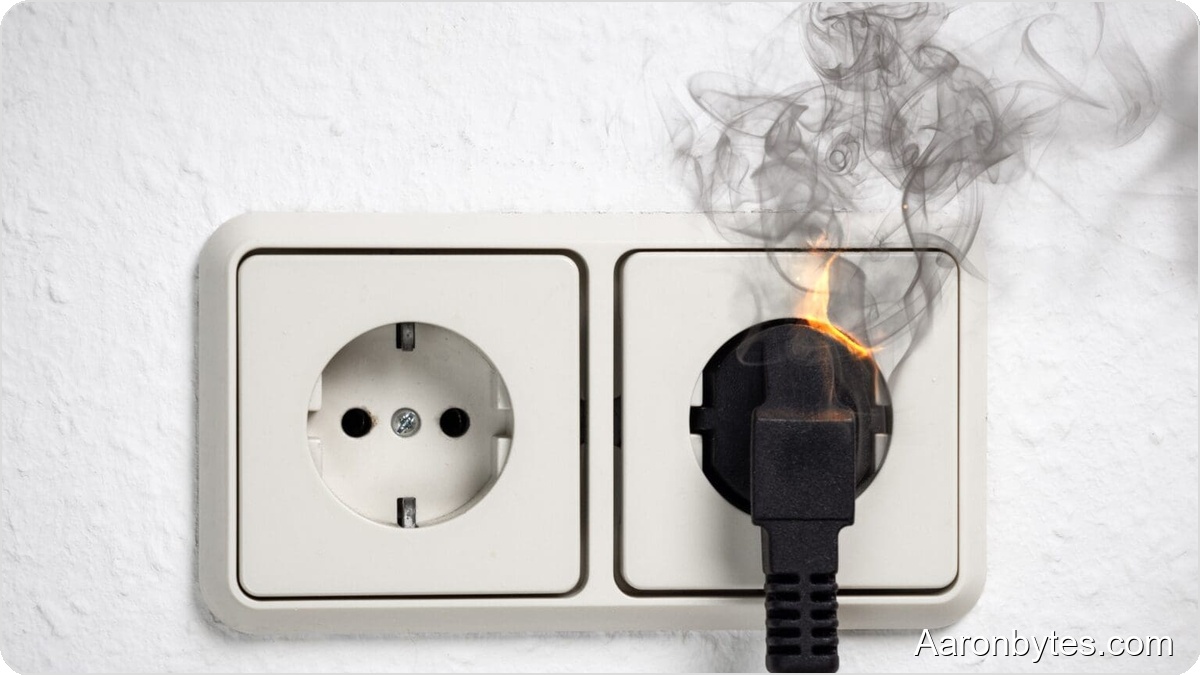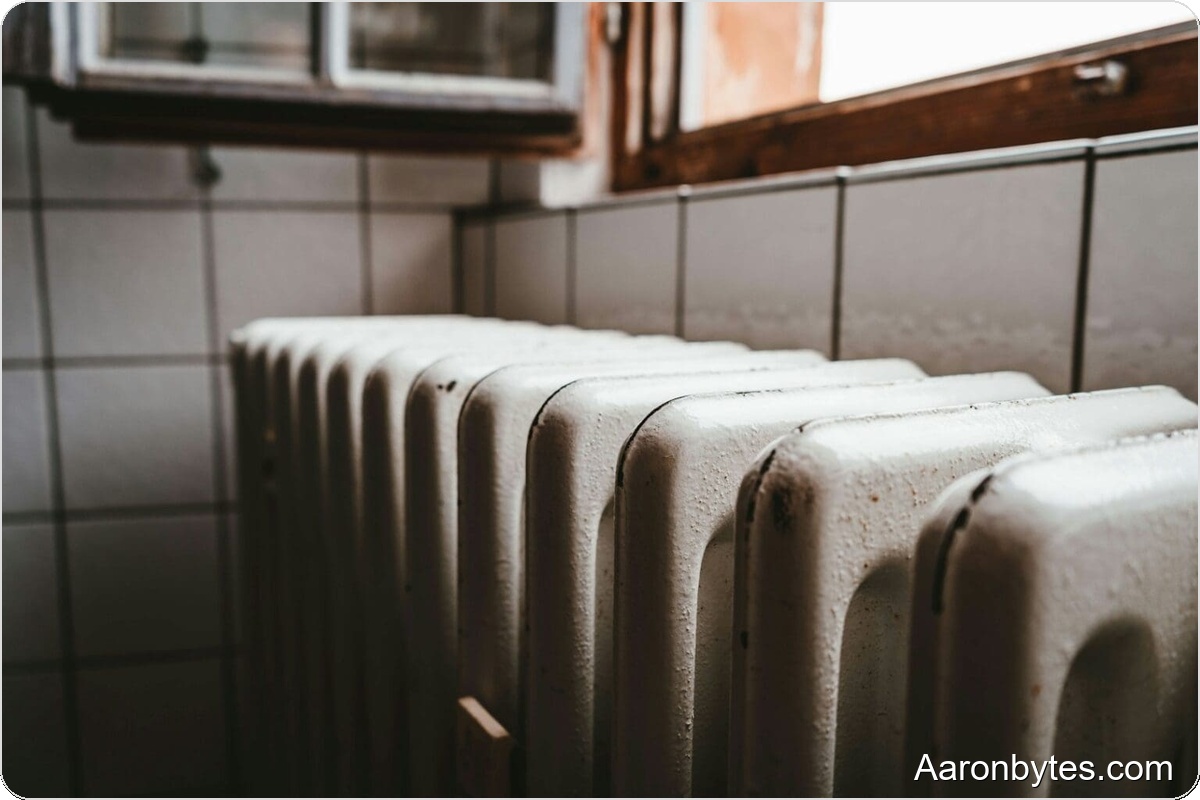
Start by choosing an indoor temperature that balances comfort and efficiency. Keeping thermostats set above 23 degrees Celsius (about 73 F) both day and night tends to dry the air, increase discomfort, and raise energy use. According to the study cited in the source, each degree you raise (or lower in summer with air conditioning) increases energy consumption by roughly 7 percent.
That single-degree effect can produce a significant jump in usage over a month and becomes even more noticeable across the entire heating season. Aim for a moderate, steady setting and reduce temperature slightly at night or when the home is unoccupied to capture meaningful savings without sacrificing comfort.
Shift heating to lower-priced electricity hours
If your heating runs on electricity—electric radiators, baseboards, or heat pumps—time higher energy use for the cheapest tariff windows. Many people leave heating on for convenience even after rooms reach the desired temperature, or they run it all day and night. With time-of-use billing, you can run heaters or raise the setpoint by a few degrees during low-cost hours and cut back during peak-priced intervals.
These adjustments can be made manually, but using timers, built-in programmers, or smart controls is easier and more reliable. Program heating to run at higher output during the cheapest hours so the house is comfortable when you need it while minimizing use when electricity is expensive.
Seal doors and windows
Windows and doors account for a large share of a home’s heat loss. If you do not have well-insulated frames or double or triple glazing, warm air can escape and cold air can seep in around sashes and thresholds.
Applying weatherstripping or gasket tape between window and door sashes reduces drafts, helps maintain interior temperature, and also keeps out dust, dirt, and insects. Properly sealing gaps is one of the most cost-effective steps to lower heating demand because it reduces the work your heating system must do to keep the house comfortable.
Close off unused rooms
If you have rooms you rarely use, keep their doors closed to avoid wasting heat on empty spaces. Where possible, close radiators or vents serving those rooms so heat generated for the rest of the house is not lost. This is a simple, no-cost measure that concentrates warmth where people actually live and reduces overall energy consumption.
Use curtains, rugs, and furniture strategically
Thick blackout curtains or thermal drapes are effective allies against drafts from single-pane or poorly insulated windows. A heavy curtain creates a small air buffer that improves the insulating effect of the window and also helps control light and privacy.
Area rugs—especially dense wool rugs—insulate cold floors and reduce heat loss through tile or hardwood unless you have radiant floor heating. Also be mindful of furniture placement: avoid blocking radiators and vents with sofas or cabinets, because obstructed airflow forces the system to work harder and wastes energy.
Keep equipment maintained
Annual maintenance before the heating season makes sure boilers, furnaces, heat pumps, and other equipment deliver the performance and efficiency manufacturers rate them for. Regular servicing, filter changes, and basic inspections help prevent energy-wasting faults and extend equipment life.
If you are unsure what maintenance your system needs, consult the owner’s manual or a qualified technician. Preventive care is usually cheaper than emergency repairs and can preserve system efficiency that translates directly into lower bills.
Use programmable thermostats
Manual on/off thermostats require you to decide when heating should run, which often leads to leaving heat on all day for a warm return or turning it on too late to reach comfort before bedtime. Programmable thermostats solve this by scheduling boiler or system operation at specific times of day.
Modern smart thermostats add remote control, energy reports, and adaptive scheduling. They can adjust heating based on occupancy, local weather, or even sunlight, giving better comfort with less waste. If you travel or keep irregular hours, the ability to change schedules from a phone is particularly useful.
Consider a more efficient heating system
If you cannot reduce consumption despite applying these measures, the likely cause is an old or inefficient heating system. Replacing outdated equipment with a modern, higher-efficiency model can lower monthly costs and reduce fuel use.
Options on the market include the latest generation of gas boilers, high-efficiency electric radiators, hydrogen-ready units in some regions, and increasingly efficient heat pump systems. Match the replacement to your home, climate, and available fuel sources for the best long-term returns.
Evaluate geothermal and solar thermal options
Beyond conventional systems, sustainable alternatives such as geothermal heating and solar thermal collectors can offer substantial efficiency gains. Geothermal systems use the stable temperature of the ground to heat (and cool) a home and can be highly efficient and low-carbon. Although upfront costs are higher, geothermal installations often deliver strong long-term savings.
Solar thermal systems heat water via solar collectors for use in space heating or domestic hot water. They work best in sunny climates and can be paired with backup systems to maximize year-round savings. Both approaches may qualify for incentives or rebates that improve their economics.
Teach household energy habits
Education and routines matter. Simple actions—closing bedroom doors, turning off lights and equipment when not in use, lowering blinds at night to retain heat, or airing rooms briefly and closing windows quickly—add up. Getting everyone in the household involved reduces consumption and builds sustainable habits that benefit both bills and the environment.
Look for grants and subsidies
Many governments and local programs offer grants, rebates, or subsidies to help pay for energy-efficiency improvements—from insulation upgrades to new heating systems. Researching and applying for available programs can substantially reduce the initial cost of upgrades and speed the payback on investments.
Final thoughts
Reducing home heating consumption is practical and rewarding. With a mix of temperature management, scheduling, air sealing, insulation, maintenance, smarter controls, and considered equipment choices, you can keep your home comfortable while trimming energy bills and lowering environmental impact. Small changes and a bit of planning can make a noticeable difference over the heating season.