A lot of individuals have stopped gardening because they assume it takes up all their time. They see spending hours pulling weeds, following complicated fertilising regimens, and fighting off every bug in the area. To be honest? It doesn’t have to be like that.
It’s not having a “green thumb” that makes a difference; it’s picking the appropriate people for your team. Some plants are just meant to live. They desire to grow, and they will do it even if you forget about them for a week or are always around them.
This is “set it and forget it” gardening that really gives you food.
What Makes a Vegetable “Low Maintenance”?
We’re searching for certain features when we talk about the easiest veggies to grow with little to no maintenance. We want plants that don’t need sophisticated pruning, are inherently resistant to pests, and can survive without water.
These plants usually fall into three categories:
- Fast Growers: They grow so fast that pests don’t have time to find them.
- Robust Survivors: They have deep roots or tough leaves that handle neglect.
- Perennials or Self-Seeders: You plant them once, and they either stay forever or come back on their own.
These plants will take care of the rest if you give them basic soil with a pH level of 6.0 to 7.0 and some sunlight.
1. Radishes: The 25-Day Miracle
Radishes are the finest thing to eat if you want something right away. These are the easiest vegetables to raise with absolutely little work. You really can enjoy a salad in less than a month after planting a seed.
Radishes are fantastic since they don’t need a lot of soil. You can plant them in a small pot or a small part of a garden bed. Because they develop so quickly, they don’t usually have the long-term pest problems that slower-growing crops like broccoli or cabbage do.
- Why they’re easy: They are “one and done.” No pruning, no staking, and no complex feeding.
- The Trick: Sow the seeds directly into the soil. Don’t even bother starting them indoors.
- Harvesting: Pull them as soon as you see the “shoulders” of the radish popping out of the dirt.
2. Potatoes: The “Bucket” Method
People say that potatoes are hard to grow because of “hilling,” but here’s a secret: you can grow them in a bag or a bucket. This is the crop for you if you want a lot of food and don’t have to weed it.
You can buy “seed potatoes” or even use an organic potato from the shop that has started to sprout. Put it in a pot with some dirt, and as the green leaves grow, add more dirt or straw on top. That’s all.
The University of New Hampshire Extension says that potatoes can grow in a wide range of soil types. They are the best crop for “buried treasure.”
3. Lettuce and Mixed Greens
Don’t bother with those iceberg lettuce heads that take forever to grow. This is “cut and come again” loose-leaf lettuce. This is one of the easiest crops to produce because it doesn’t need much care and does well in the cooler months when you aren’t even thinking about your garden.
- Low Light: Lettuce is one of the few veggies that doesn’t need 8 hours of scorching sun. It actually prefers a bit of shade.
- No Pests: Since you harvest the leaves while they are young and tender, bugs rarely have a chance to do real damage.
- Growth Rate: You can start clipping leaves for your sandwich in as little as three weeks.
4. Zucchini: The Overachiever
People genuinely give away zucchini because they have too much of it. This is the best plant for you if you want one that makes enough food for your whole block without any work.
Once the plant is established, it develops huge leaves that cover the ground. This “living mulch” stops weeds from developing around it. You don’t have to weed or water very much because the leaves keep the soil moist.
Pro Tip: Keep an eye on them! A zucchini can go from the size of a finger to the size of a baseball bat in about 48 hours.
5. Swiss Chard: The Iron Plant
Swiss chard is your new best buddy if you enjoy spinach but detest how quickly it wilts and dies. It is really strong. It doesn’t mind the summer heat or the gentle frosts of fall.
You can just put Swiss chard in the fridge and forget about it. The stalks have pretty colours like red, yellow, and neon pink, which makes it look like a decorative plant. When you’re hungry, you merely break off the outside leaves, while the centre keeps sprouting new ones.
6. Green Beans (Bush Variety)
If you want to cultivate veggies that are easy to care for, search for “bush” beans instead of “pole” beans. To grow, pole beans need a trellis and regular training. Bush beans grow into a small mound, bloom, and then make a lot of beans all at once.
Beans are also good at fixing nitrogen. This means that they extract nitrogen from the air and put it back into the soil, which makes the soil better for the next plant. They are doing the labour of keeping things up for you.
7. Garlic: The Winter Warrior
For the lazy gardener, garlic is the best. You put it in the ground in late fall (October or November), cover it with straw, and then let it alone for six months. You don’t even look at it till the next summer.
- Natural Repellent: Most pests and even deer hate the smell of garlic, so they leave it alone.
- No Watering: During the winter, the rain and snow provide all the moisture it needs.
- Storage: Once harvested, garlic lasts for months in your pantry.
The Royal Horticultural Society says that garlic is one of the best crops for beginners because it doesn’t get sick as often as other Alliums.
8. Cherry Tomatoes: The Wild Child
Big beefsteak tomatoes are like divas. They break, develop blossom end rot, and need to be pruned all the time. Cherry tomatoes, on the other hand, are like the wild cousins of the family. They are much less likely to get sick and can make hundreds of fruits on one plant.
If you don’t want to prune, buy a strong tomato cage and let the plant grow on its own. By August, it might appear like a jungle, but you’ll be picking tasty goodies every day without having to do anything.
9. Mint and Chives: The “Weeds” You Can Eat
If you’re really worried about destroying plants, start with herbs like chives and mint. The hardest part about planting mint is keeping it from taking over your whole yard.
- Mint: Keep it in a pot, or it will take over your garden. It needs almost zero care.
- Chives: They come back every single year (perennial). They have beautiful purple flowers that bees love, and you can snip the green tops whenever you need a baked potato topping.
What are the easiest vegetables to grow for beginners?
This list can help you get the best results with the least amount of work if you’re starting:
| Vegetable | Time to Harvest | Key Benefit |
| Radishes | 25-30 Days | Fastest growth; no pests. |
| Leaf Lettuce | 30-45 Days | Handles shade; cut and come again. |
| Bush Beans | 50-60 Days | No trellis needed; improves soil. |
| Zucchini | 50-60 Days | Massive yields; shades out weeds. |
| Potatoes | 90-120 Days | Can grow in bags; hard to kill. |
Essential Low-Care Gardening Tips
Even the easiest veggies to grow need a strong base, even if you don’t have to do much to care for them. Your “maintenance” for the rest of the season will be almost nothing if you set things up correctly from the start.
Use Mulch Liberally
Mulch is the “lazy” gardener’s secret weapon. Putting straw, dried leaves, or wood chips on top of your soil does two things:
- Stops Weeds: It smothers weed seeds so they never see the light of day.
- Holds Water: It prevents evaporation, meaning you have to water $50\%$ less often.
Focus on Soil Quality
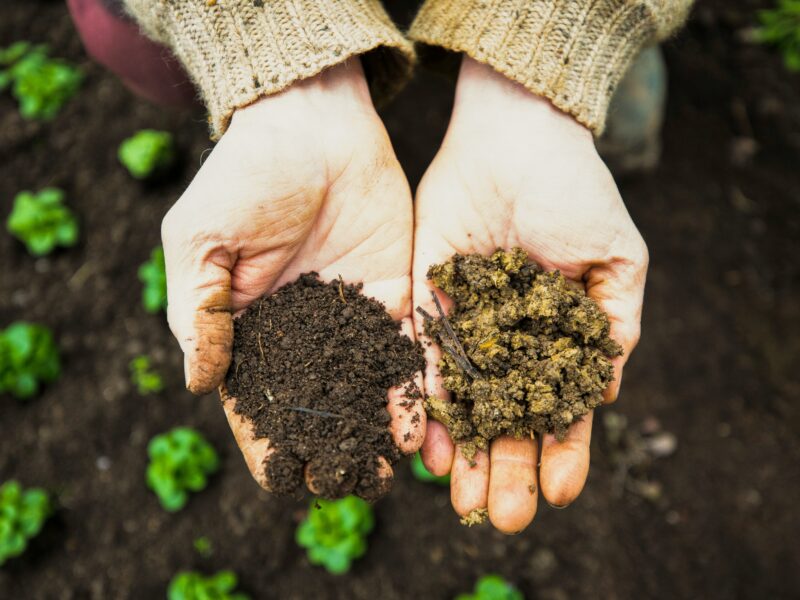
Don’t quarrel with your soil. Don’t try to dig out clay that is really heavy or sand that is very clean. Raised beds or pots loaded with good potting mix are the best way to go. Plants will be stronger and naturally keep pests away if the soil is full of nutrients.
Group Your Plants
Put all of your plants that don’t need a lot of maintenance in one place. You can do it all at once if you have to water. This “zoning” method makes sure you don’t have to rush all over the yard looking for that one zucchini plant you forgot about.
Common Myths About Easy Gardening
A lot of the “advice” I get makes gardening tougher. Let’s get things straight.
Myth 1: You need to fertilize every week.
You don’t need this unless you want to win a big pumpkin contest at the state fair. At the start of the season, most of the vegetables on the list above do just fine with one scoop of compost. When you give your plants too much fertilizer, they grow “soft,” which bugs love to eat.
Myth 2: You must start seeds indoors.
Starting seeds indoors is a waste of time for a lot of the easiest crops that thrive with little to no care. In fact, radishes, beans, and carrots don’t like being moved. It’s easier and better to plant them straight in the ground (direct sowing).
Myth 3: Gardening is expensive.
Buying sophisticated equipment is the only thing that costs a lot. Three bucks for a bag of seeds and a bucket of dirt is cheap. These crops that don’t need a lot of care are the best method to save money on groceries.
Troubleshooting with Minimal Effort
Things don’t always go as planned. But you don’t need a PhD in botany to correct it, even then.
- Leaves Turning Yellow? You’re probably watering too much. Let the soil dry out.
- Holes in Leaves? Don’t reach for the chemicals. Often, a strong blast of water from the hose will knock off aphids or mites.
- Plants Drooping? Check the soil. If it’s bone dry, give them a deep soak in the evening.
NASA’s Earth Science says that the most essential thing you can do to cut down on farm work is to choose crops that grow well in your area. Choose Swiss Chard if you live in a warm place. If you reside in a frigid place, stick with kale and radishes.
The “Set and Forget” Strategy
The main purpose of identifying the easiest vegetables to produce with little maintenance is to enjoy being outside without it feeling like work. Gardening should be something that helps your mental health, not just another thing to do.
I’ve tried out a lot of various kinds over the years. I have killed pricey fruit trees and seen “hard” roses wilt. But I’ve never, ever not been able to grow a radish or a zucchini. These plants are made to grow well. They are the underdogs of the plant world. They are strong, gritty, and eager to grow food, even if you aren’t a great gardener.
Why You Should Start Today
It feels so good to walk into your backyard and pick a handful of green beans for dinner. Fresh food tastes better than anything you can buy at the store. And when you think about how those beans grew while you were at work, sleeping, or watching TV, it seems like a great way to save time.
You don’t need a tractor. You don’t need a greenhouse. You only need a few seeds and the willingness to let nature take its course.
Conclusion
To find the easiest vegetables to grow with little care, you need to work with nature instead of against it. You can save yourself a lot of work by choosing “powerhouse” plants like radishes, zucchini, and garlic. These plants are tough, grow quickly, and are great for people who don’t have a lot of time or experience with gardening.
Keep in mind that the goal isn’t to have a flawless garden that looks like it came out of a magazine. The idea is to create a space that works and is useful, and that gives more than it takes. Your garden will take care of itself if you pay attention to the condition of the soil and use a lot of mulch.