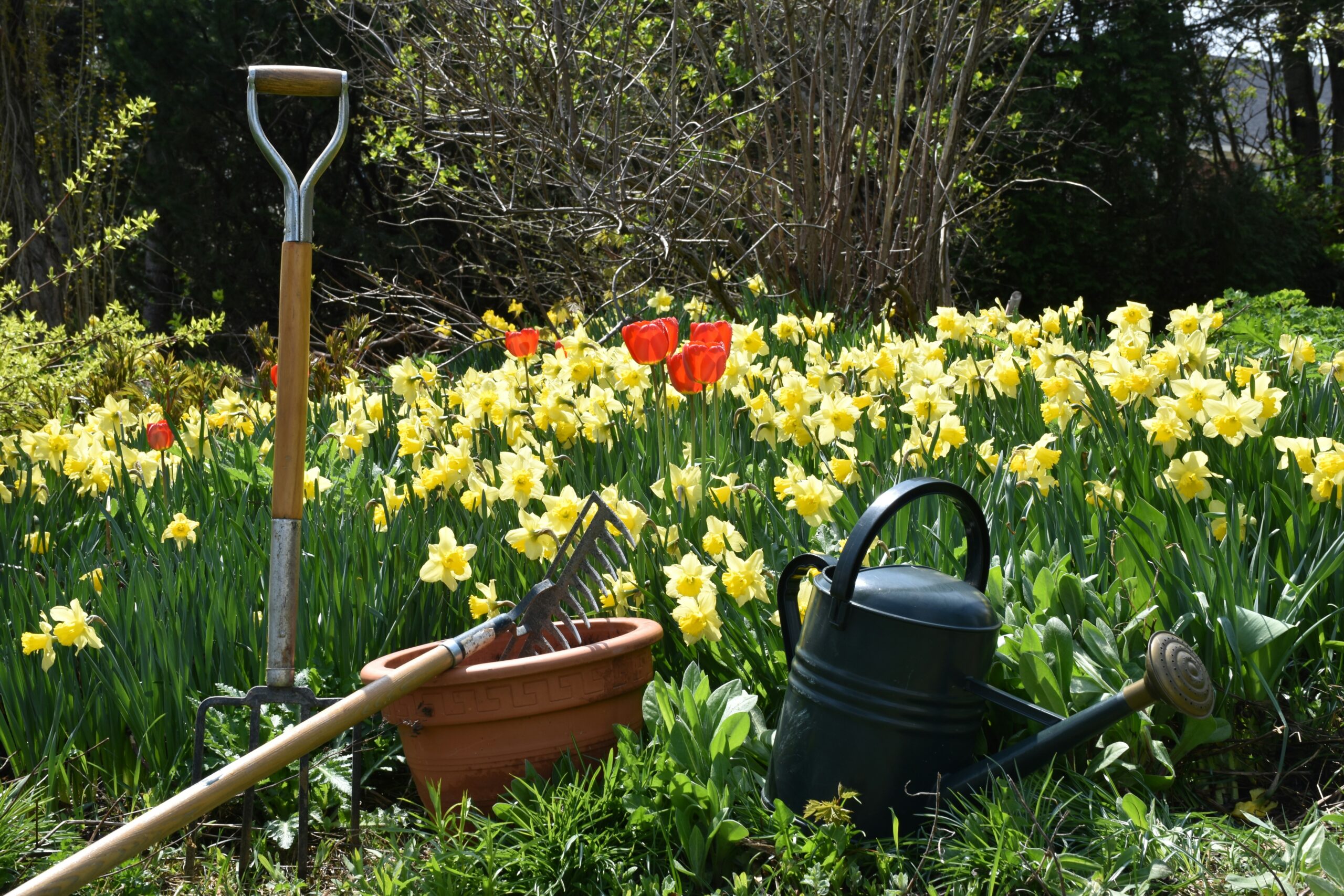
Starting your first garden feels like stepping onto a pitch for the first time. You’ve got the passion, you’ve got the dirt, but if you show up without the right gear, you’re going to struggle. I see so many people heading to the local hardware store and dropping a fortune on fancy gadgets they’ll never use.
Why Do You Need Specific Tools to Start Gardening?
A sturdy spoon and some old kitchen scissors will do the trick. Trust me, I’ve been there, and your plants (and your back) will hate you for it. Gardening is a physical activity, and having the right equipment is about efficiency and health.
Using the wrong tool for the job is the quickest way to get frustrated and quit before you even see a sprout. High-quality tools are designed to work with the soil, not against it. They protect your joints and make sure your plants get the clean cuts they need to thrive.
Think of your tools as your teammates. If your teammate is lazy or breaks under pressure, the whole season is a wash. You want a lineup that’s durable, sharp, and ready for the long haul.
The Hand Trowel
If there is one tool that earns the “Player of the Season” award every single year, it’s the hand trowel. This is your go-to for almost every small-scale task in the dirt. Whether you are transplanting seedlings or digging out a deep-rooted weed, the trowel is in your hand 90% of the time.
Don’t just grab the cheapest one off the shelf. You want a trowel with a solid handle that won’t snap when you hit a hidden rock. Look for stainless steel or forged steel heads.
A good grip is also non-negotiable. If the handle is uncomfortable, you’ll end up with blisters after twenty minutes of work. It’s the one tool where spending an extra five bucks makes a massive difference.
Gardening Gloves
I know some people love the feeling of “earth between their fingers,” but honestly? That wears off after the first thorn prick or spider encounter. A solid pair of gardening gloves is your first line of defense against the elements.
You need something breathable but tough enough to stop a rose thorn from ruining your day. Nitrile-coated gloves are great for dexterity, allowing you to handle tiny seeds without feeling like you have bear paws. For the heavy lifting, leather or synthetic suede is the way to go.
Keep in mind that gloves are a consumable item. Even the best ones will eventually wear out, but starting with a quality pair saves your skin literally. Check out the Royal Horticultural Society’s guide for more on protecting yourself while working outside.
Pruning Shears: The Sharp Essentials
In the world of essential garden tools for beginners (what you actually need first), pruning shears (or secateurs) are the heavy hitters. If you want your plants to stay healthy, you have to cut away the dead weight. A clean snip helps the plant heal faster and prevents disease from creeping in.
There are two main types: bypass and anvil. Bypass pruners work like scissors and are best for live plants. Anvil pruners are more like a knife hitting a board, which is great for dead wood, but can crush live stems.
I always recommend bypass pruners for beginners because they are more versatile. Keep them sharp and clean. A dull blade is like a bad referee—it just causes unnecessary drama for everyone involved.
The Garden Hoe
Weeds are the ultimate villains in any garden story. They show up uninvited and try to steal all the nutrients from your stars. The garden hoe is how you show them who’s boss without breaking your back.
A long-handled hoe allows you to clear large areas while standing upright. It’s all about the “scuffle” or “draw” motion that severs the weed roots just below the surface. It’s satisfying, efficient, and keeps your soil looking top-tier.
There are different styles, like the Dutch hoe or the stirrup hoe. For a beginner, a standard draw hoe is usually the easiest to master. It’s a simple tool that delivers massive results when used consistently.
A Sturdy Rake
You can’t have a professional-looking garden bed if the soil is all lumpy and uneven. A steel garden rake is essential for leveling out your planting areas. It’s also the best tool for clearing away stones and debris that shouldn’t be there.
Don’t confuse this with a leaf rake, which is flexible and plastic. A garden rake is rigid and tough. It’s the tool that preps the ground for the “big game” of planting.
Using a rake properly takes some practice, but it’s the key to good drainage. If your soil is level, water doesn’t pool in one spot and drown your roots. It’s all about creating that perfect environment for growth.
Watering Can or Hose
Your plants are basically professional athletes, and they need to stay hydrated. A watering can is perfect for small spaces or delicate seedlings that can’t handle a high-pressure blast. Look for one with a removable “rose” (the sprinkler head) so you can control the flow.
If you have a larger plot, a hose with a multi-pattern nozzle is a game-changer. You want a “soaker” setting for the roots and a “mist” setting for the leaves. Avoid the cheap hoses that kink every five seconds; they are a nightmare to deal with.
Consistency is the secret sauce here. Whether you use a fancy irrigation system or a simple plastic can, the goal is the same. For more on watering best practices, the Old Farmer’s Almanac has some legendary advice on timing.
Garden Spade: For the Heavy Lifting
When it’s time to dig a big hole or edge a new bed, the trowel isn’t going to cut it. You need a spade. A spade has a flat, square blade that is perfect for slicing through sod and moving earth.
This isn’t the same as a shovel, which is usually pointed and curved for scooping. A spade is more about precision and power. It’s the “enforcer” of your tool shed.
Make sure the “D-handle” fits your hand comfortably. You’ll be putting your weight on this tool, so it needs to feel like an extension of your body. A stainless steel blade will slide through the soil much more easily than a rusted old iron one.
What Are the Most Common Mistakes Beginners Make When Buying Tools?
The biggest blunder I see? Buying “beginner kits” that come with twelve different items. Usually, ten of those items are absolute trash and will break within a month. It is much better to buy four high-quality essential garden tools for beginners (what you actually need first) than a box of cheap junk.
Another mistake is neglecting tool maintenance. People leave their shears out in the rain or store their shovels covered in wet mud. Rust is the enemy. If you treat your tools like garbage, they will perform like garbage.
Lastly, don’t ignore ergonomics. If a tool feels heavy or awkward in the shop, it will feel ten times worse after an hour in the sun. Pick tools that fit your height and strength level.
How to Maintain Your Garden Tools for Long-Term Use?
If you want your gear to last a decade instead of a season, you’ve got to show it some love. After every session, wipe off the dirt. It sounds simple, but it’s the most important step to prevent corrosion.
Once a year, give your wooden handles a rub down with linseed oil to prevent cracking. For the metal parts, a quick wipe with an oily rag keeps the rust at bay. And for the love of all things green, keep your cutting tools sharp.
A sharp blade makes a clean cut, which is better for the plant and easier on your muscles. You can use a simple sharpening stone or a file. It takes five minutes and makes a world of difference in your performance on the field.
Where to Buy the Best Quality Beginner Garden Tools?
You don’t have to go to a specialized boutique to find good gear. Even big-box stores carry high-end lines if you know what to look for. Look for brands that offer warranties; that’s usually a sign they stand behind their craftsmanship.
Online reviews are your best friend here. See what other gardeners are saying about the durability of a specific brand. Sometimes the “underrated” brands provide the best value for your money.
Local nurseries often carry tools that are specifically suited for the soil in your area. If you have heavy clay, they recommend a different spade than if you have sandy soil. Check out Gardeners’ World for expert reviews on the latest equipment.
Budgeting for Your First Garden Kit: How Much Should You Spend?
You don’t need to drop a thousand dollars to get started. In fact, you can get a top-tier basic kit for under $150 if you shop smart. Prioritize the trowel, the pruners, and the gloves first.
Spend the most on the tools you will use every single day. You can skip the specialized bulb planters or the heavy-duty loppers until you actually have a specific need for them. Focus your budget on the core players.
Think of it as an investment. A $40 pair of pruners that lasts ten years is much cheaper than a $10 pair you have to replace every season. Quality always wins in the long run.
Specialized Tools: Do You Really Need Them?
As you get more into the hobby, you’ll see all kinds of “essential” gadgets. Rolling composters, soil pH testers, and automatic weed pullers are everywhere. My advice? Wait.
Most of these are “nice to haves,” not “need to haves.” Until you know what kind of gardener you are, you don’t need to fill your garage with niche equipment. Master the basics first, and then expand your roster as your skills grow.
Every garden is different. A person growing succulents on a balcony needs a totally different setup than someone with a half-acre vegetable patch. Let your garden tell you what it needs next.
Essential Garden Tools for Beginners (What You Actually Need First): The Checklist
If you are heading out to the store today, here is your “no-nonsense” list of essential garden tools for beginners (what you actually need first):
- Hand Trowel: For planting and small digging.
- Gardening Gloves: To keep your hands safe and clean.
- Bypass Pruners: For clean cuts on live plants.
- Garden Hoe: To manage weeds without the backache.
- Garden Rake: For leveling and clearing debris.
- Watering Can/Hose: To keep your plants hydrated.
- Spade: For the big digging jobs.
If you have these seven items, you are ready for 95% of what a new garden will throw at you. You’re not just buying tools; you’re buying the ability to succeed.
Creating a Storage Space for Your Gear
Don’t just toss your new tools in a pile in the corner. Organized storage keeps your blades sharp and your handles dry. A few simple hooks on a garage wall can save you a lot of headaches.
Storing tools off the ground prevents moisture from creeping into the metal parts. It also makes it way easier to find what you need when you’re in the middle of a project. There’s nothing more annoying than losing your trowel in the middle of a planting session.
Even a simple bucket filled with sand and a little motor oil can be a great place to “stab” your shovels and trowels. The sand cleans the blades, and the oil prevents rust. It’s an old-school trick that works like a charm.
Final Thoughts on Your Gardening Journey
Gardening is one of the most rewarding things you can do. There’s something magical about watching a tiny seed turn into a massive sunflower or a juicy tomato. But like any hobby, it’s a lot more fun when you have the right setup.
Don’t feel pressured to have the “perfect” garden on day one. It’s a learning process. You’ll make mistakes, some plants will die, and you’ll probably lose a glove or two along the way. That’s all part of the game.