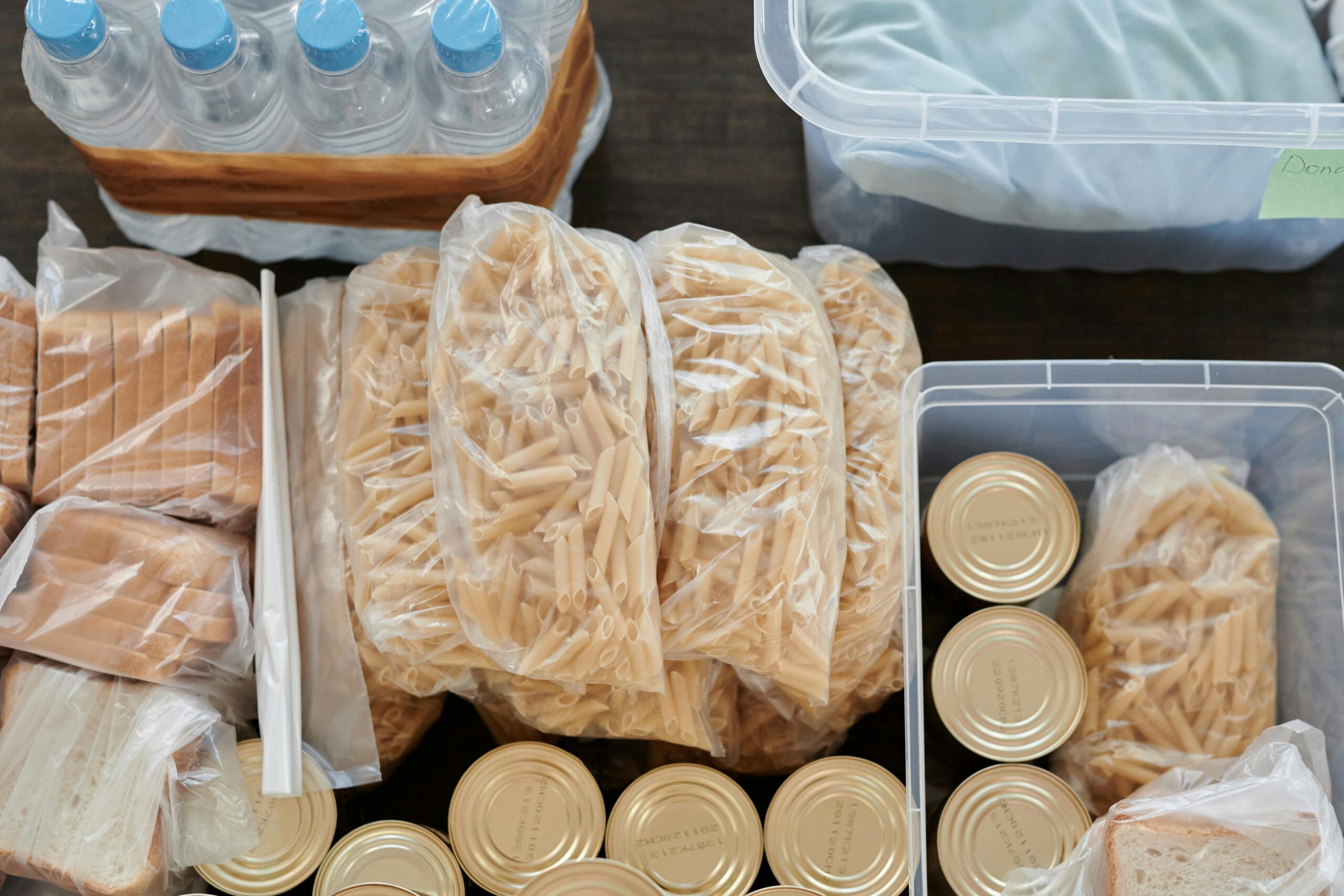
You know that frustrating moment when you’re ready to cook dinner and realize you’re missing one crucial ingredient? It happens to all of us. The good news is that with a well-stocked pantry, fridge, and freezer, you can significantly reduce those last-minute grocery runs and become more spontaneous in the kitchen.
The Pantry Foundation
Your pantry is the backbone of meal preparation. These shelf-stable items will last for months and form the base of countless recipes.
Oils and Vinegars
Extra virgin olive oil should be your go-to for most cooking needs. It works for sautéing vegetables, making salad dressings, and finishing dishes. Keep a neutral oil like vegetable or canola oil for high-heat cooking and baking, where you don’t want a strong flavor.
For vinegars, start with apple cider vinegar and white vinegar. Apple cider vinegar adds brightness to dressings and marinades, while white vinegar handles pickling and cleaning duties. Red wine vinegar and balsamic vinegar are great additions once you’ve covered the basics.
Grains and Pasta
White rice and brown rice give you versatility. White rice cooks faster for weeknight meals, while brown rice offers more nutrition and a nuttier flavor. Store them in airtight containers to keep them fresh longer.
Stock at least two pasta shapes with different uses. Spaghetti or linguine works for classic pasta dishes, while a short shape like penne or fusilli holds chunky sauces better. Pasta keeps for years in a cool, dry place.
Canned Goods
Canned tomatoes are non-negotiable. Keep whole peeled tomatoes, crushed tomatoes, and tomato paste on hand. They’re the foundation of pasta sauces, soups, stews, and curries.
Beans are protein powerhouses that cost pennies per serving. Black beans, chickpeas, and kidney beans cover most recipe needs. Canned tuna and salmon provide quick protein options for salads and sandwiches.
Chicken broth or vegetable broth transforms plain rice into something special and serves as the base for soups. Buy the low-sodium versions so you can control the salt level in your dishes.
Baking Essentials
All-purpose flour handles everything from pancakes to cookies. Store it in an airtight container to prevent it from absorbing odors. Granulated sugar and brown sugar are both necessary since they behave differently in recipes.
Baking powder and baking soda aren’t interchangeable, despite what some people think. Baking powder contains an acid and works alone, while baking soda needs an acidic ingredient to activate. Check their expiration dates regularly since they lose potency over time.
Spices and Seasonings That Matter
A good spice collection eliminates the bland food problem without requiring specialty ingredients for every meal.
The Core Five
Salt and black pepper are obvious, but the type matters. Kosher salt is easier to pinch and control than table salt. Freshly ground black pepper tastes noticeably better than pre-ground.
Garlic powder provides a deep savory flavor without the prep work of fresh garlic. It’s not a replacement for fresh garlic in every situation, but it’s incredibly convenient for rubs and seasoning blends.
Paprika adds color and mild sweetness to dishes. It’s essential for Hungarian recipes but also brightens up everything from roasted vegetables to deviled eggs.
Ground cumin brings earthy, warm notes that are essential for Mexican, Middle Eastern, and Indian cuisines. A little goes a long way in transforming simple beans or rice.
Building Your Collection
After the basics, add dried oregano for Italian dishes, chili powder for Tex-Mex cooking, and ground cinnamon for both sweet and savory applications. Dried thyme and bay leaves round out your ability to make most soups and stews.
Crushed red pepper flakes let you add heat to any dish at any stage of cooking. They’re more versatile than you think.
Refrigerator Staples
These items need cool storage but will keep for weeks, giving you flexibility without constant shopping.
Dairy and Eggs
Eggs are the most versatile ingredient in your kitchen. They work for breakfast, bind meatballs and burgers, create custards and baked goods, and can be the centerpiece of a quick dinner.
Butter adds richness that margarine can’t match. Salted butter works for most cooking, while unsalted butter gives you more control in baking.
Milk serves obvious purposes, but consider your usage patterns. If you don’t drink it straight, shelf-stable milk or powdered milk can reduce waste. Cheese, particularly a hard cheese like Parmesan, adds umami depth to countless dishes. It keeps for months when properly wrapped.
Condiments and Flavor Boosters
Soy sauce brings salty, savory depth to far more than Asian dishes. It enhances gravies, marinades, and even burger patties. Buy the regular version unless you have dietary restrictions.
Dijon mustard does double duty as a sandwich spread and an emulsifier for vinaigrettes. Mayonnaise works similarly and adds creaminess to everything from potato salad to aioli.
Hot sauce personalizes spice levels at the table without affecting the entire dish. Choose one that matches your heat tolerance.
Fresh Basics
Onions and garlic are foundational aromatics that start most savory dishes. They keep for weeks in a cool, dry place. Yellow onions are the most versatile, while garlic should feel firm with tight skin.
Lemons and limes add brightness that can rescue flat-tasting dishes. The juice and zest both contribute different flavor dimensions. They keep for weeks in the refrigerator.
Carrots and celery create the aromatic base for soups and stocks. They stay crisp for weeks and also serve as quick snacks. Ginger root adds warmth to stir-fries and can be frozen for extended storage.
Freezer Essentials
Your freezer is an underutilized resource that can store ingredients for months without quality loss.
Proteins
Keep a variety of proteins that can go from freezer to dinner with minimal planning. Chicken breasts or thighs, ground beef, and a white fish like cod cover most recipe needs.
Portion proteins before freezing so you can defrost exactly what you need. Wrap them well to prevent freezer burn. Label everything with the date, since frozen doesn’t mean immortal.
Vegetables
Frozen vegetables often contain more nutrients than “fresh” produce that’s been sitting in transit and on shelves for days. They’re pre-prepped, so they save time too.
Peas, corn, and mixed vegetables work in countless applications. Frozen spinach is perfect for adding to pasta, eggs, or smoothies. These items wait patiently until you need them without the guilt of watching fresh produce rot.
Convenience Items
Pre-made pizza dough or puff pastry turns into impressive meals with minimal effort. Frozen berries work for smoothies, baking, and oatmeal at a fraction of the cost of fresh.
Homemade stock freezes beautifully in ice cube trays or freezer bags. Make a large batch when you have time, then use it for months.
Smart Shopping and Storage Strategies
Having these staples only works if you maintain them properly.
Check your inventory before shopping. How many times have you bought a third bottle of soy sauce because you weren’t sure if you had any?
Buy quality where it matters. Cheap olive oil tastes cheap. Generic canned tomatoes work fine. You’ll learn which items are worth splurging on through experience.
Rotate your stock using the first-in-first-out method. Put new purchases behind older items, so you use things before they expire. This is especially important for spices, which lose potency over time.
Store dry goods in airtight containers to extend their life and prevent pantry moths. Glass jars let you see what you have at a glance. Label everything with the purchase date.
Building Meals from Your Staples
With these items stocked, you can create meals without recipes or shopping.
Pasta with garlic, olive oil, and crushed red pepper takes ten minutes. Add canned tuna, and you have a protein-rich dinner. Toss in frozen peas for vegetables.
Fried rice uses leftover rice, eggs, frozen vegetables, and soy sauce. It’s faster than ordering takeout, and you control the ingredients.
Bean and vegetable soup starts with sautéed onions, carrots, and celery, then adds canned beans, canned tomatoes, and broth. Season with your basic spices, and you have a hearty meal.
Shakshuka requires only eggs, canned tomatoes, onions, and spices. Serve it with bread or rice from your pantry.
The possibilities multiply once you stop seeing these staples as individual ingredients and start viewing them as a flexible system that adapts to your needs.
The Bottom Line
Stocking a kitchen isn’t about buying everything at once. Start with the items you use most frequently, then gradually expand your collection. Pay attention to what you wish you had when you’re cooking, then add those items next time you shop.
This approach saves money because you buy items on sale and in bulk rather than paying premium prices for small amounts. It saves time because you eliminate shopping trips and reduce meal planning stress. Most importantly, it gives you freedom to cook spontaneously rather than being locked into rigid meal plans.