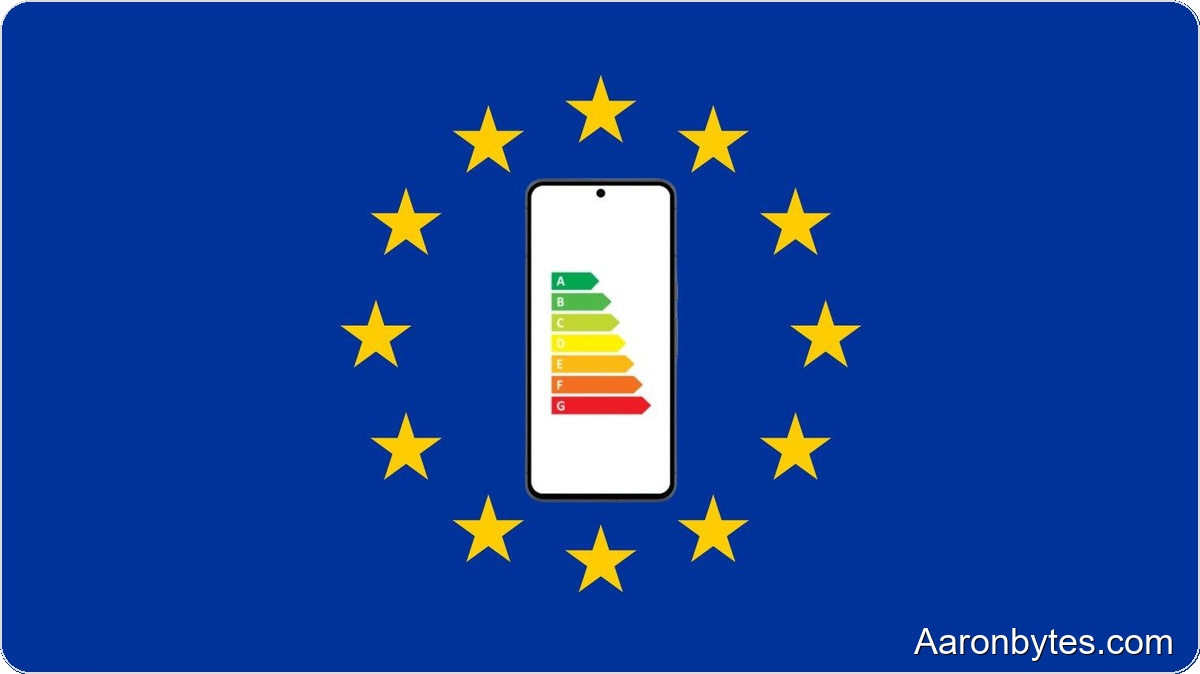
European regulators are bringing energy labels to a category consumers rarely see them on: smartphones, feature phones, and tablets. The new labels, rolling out for devices sold in the EU from June 20, 2025, summarize key durability, energy, and repair metrics to help buyers compare devices at a glance.
The labels will be familiar in spirit to those on refrigerators or washing machines but tailored for mobile devices. Alongside a traditional energy efficiency class, the label will display five additional indicators including drop resistance and repairability, battery life on a single charge, and battery longevity measured in charge cycles.
What the label shows?
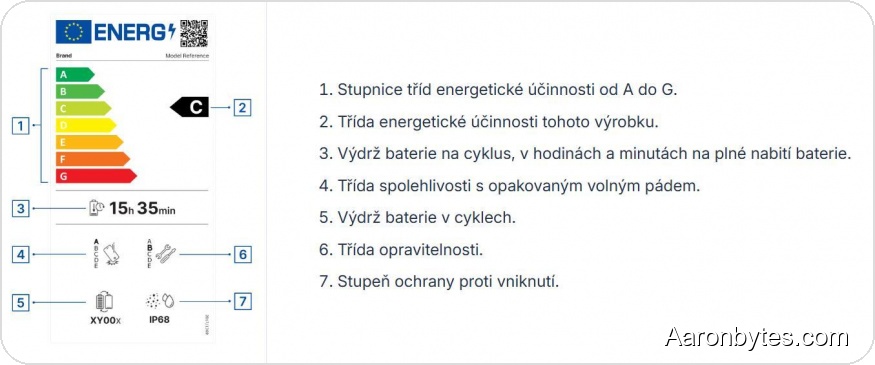
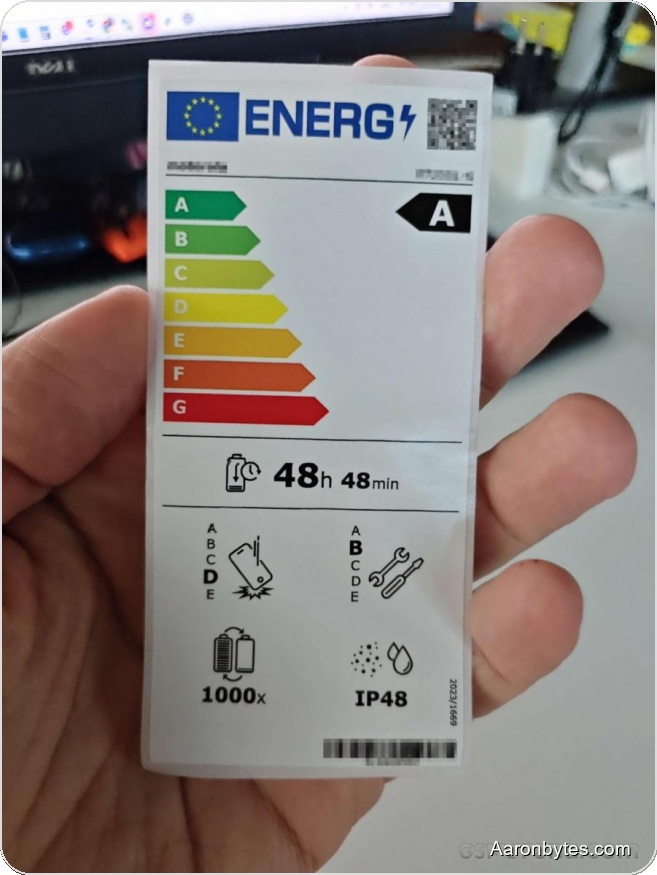
Besides the standard energy efficiency grade, each phone or tablet label will include five other ratings, each expressed on an A-to-E scale. Two examples called out by regulators are resistance to free fall and a repairability class. The label also lists expected battery life on a single charge and the battery’s durability in charge cycles.
Which devices need labels
The requirement covers wireless phones that use a fixed telecom network, smartphones for mobile or satellite networks, and even basic “feature” phones without internet access or third-party apps. Tablets are also included when their screens measure between 7 and 17.4 inches.
Minimum performance and service requirements
The EU sets concrete minimums for several of the rated areas. For battery longevity, every phone must withstand at least 800 charging cycles while retaining at least 80 percent of its original capacity.
Manufacturers must also ensure key spare parts are available to repair services within 5 to 10 working days. Those parts must remain available for at least seven years after the product stops being officially sold in the EU.
Additionally, devices launched after June 20, 2025, must receive operating system updates for at least five years from the end of the model’s official sale period.
Why regulators are doing this?
These measures are part of the EU’s ecodesign regulation, aimed at improving product sustainability by setting requirements for longevity, energy efficiency, repairability, and recyclability.
While manufacturers will face some additional costs to comply with labeling and service obligations, regulators do not expect those costs to materially raise retail prices for smart devices.