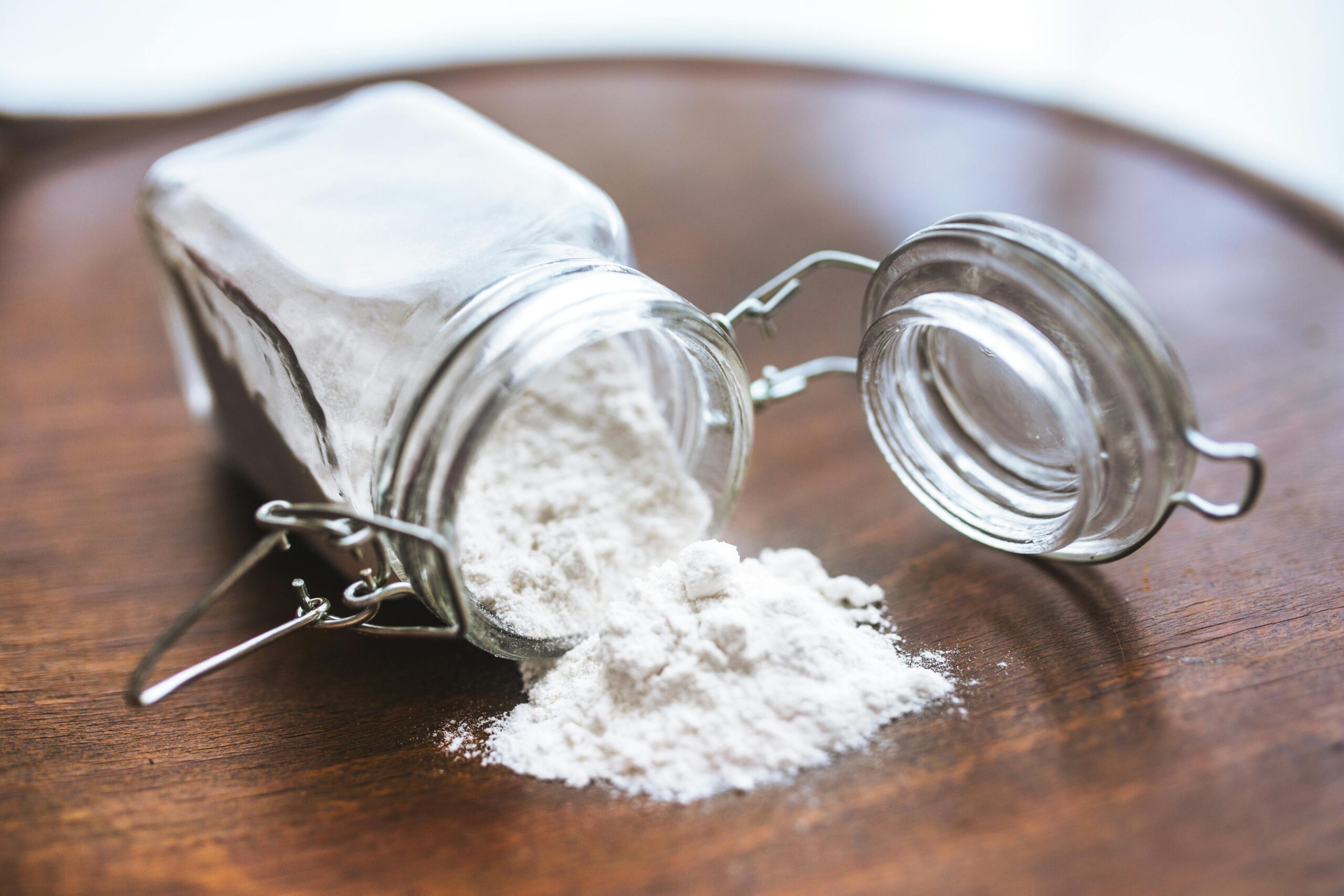
Flour sits in your pantry for months, and suddenly you notice tiny bugs crawling through it. Or worse, you open a bag to bake bread and catch a whiff of something off. These problems happen more often than you’d think, but freezing flour solves both issues effectively.
Why Does Flour Go Bad?
Flour contains natural oils, especially whole grain varieties like whole wheat. These oils oxidize when exposed to air and warmth, creating that stale, bitter taste we call rancidity. White all-purpose flour lasts longer because most of the oil-rich germ has been removed during processing.
Weevils and other pantry pests pose another threat. These bugs often arrive in your flour from the store, with eggs already present in the grain. Room temperature gives them the perfect environment to hatch and multiply.
The Science Behind Freezing Flour
Cold temperatures halt both problems in their tracks. Freezing stops the oxidation process that causes rancidity, keeping your flour fresh for years instead of months. The sub-zero environment also kills any insect eggs present in the flour before they can hatch.
Your freezer maintains temperatures around 0°F (-18°C), cold enough to preserve flour’s quality indefinitely. The key is proper packaging to prevent moisture absorption and freezer burn.
How to Freeze Flour Properly?
Start with fresh flour for the best results. Check the purchase date and smell it before freezing. Good flour has a neutral, slightly sweet scent. Skip anything that already smells musty or off.
Transfer flour from its original paper bag into airtight containers. Paper allows moisture and air to seep through, defeating the purpose of freezing. Use heavy-duty freezer bags, plastic containers with tight-fitting lids, or vacuum-sealed bags.
Remove as much air as possible from bags before sealing. Air contains moisture that can create ice crystals and affect flour quality. Press bags flat to squeeze out air, or use a vacuum sealer for the best protection.
Label everything with the flour type and date. Even experienced bakers struggle to tell flours apart once frozen, and knowing when you stored it helps track freshness.
Place containers toward the back of your freezer where temperatures stay most consistent. Avoid the door area where temperature fluctuations occur every time you open the freezer.
Storage Times for Different Flour Types
All-purpose white flour stays fresh in the freezer for two to three years. Its low oil content makes it naturally shelf-stable, and freezing extends that even further.
Whole wheat flour keeps for one to two years frozen. The wheat germ contains oils that eventually go rancid, but freezing dramatically slows this process compared to pantry storage of just three months.
Alternative flours like almond, coconut, and chickpea flour last six months to one year frozen. These specialty flours contain more oils and proteins that degrade faster than wheat flour.
Self-rising flour freezes well for up to one year. The baking powder mixed into this flour gradually loses potency, so don’t expect it to perform as well after extended storage.
Using Frozen Flour in Recipes
Most recipes work fine with frozen flour used directly from the freezer. Measure what you need and let it sit at room temperature for 10-15 minutes while you gather other ingredients. This brief rest period prevents temperature shock to your recipe.
For bread baking, bringing flour to room temperature matters more. Cold flour can slow yeast activity and affect rise times. Remove the amount you need an hour before mixing your dough, or the night before for morning baking.
Pastry and pie crust actually benefit from cold flour. The chilly fat particles create flakier layers, so use flour straight from the freezer for these recipes.
Quick breads, muffins, and pancakes don’t require warmed flour. Mix your batter and bake as usual. The small amount of flour relative to other ingredients means temperature differences won’t affect the outcome.
Preventing Bugs Before They Start
Freeze new flour for 48 hours immediately after purchase, even if you plan to store it in your pantry. This kills any eggs present without committing to long-term freezer storage. After 48 hours, transfer the flour to airtight pantry containers.
Bay leaves tucked into flour containers deter adult insects from laying eggs. Place two or three whole leaves on top of the flour and replace them every few months when their scent fades.
Clean your pantry regularly to eliminate any insects that might migrate between containers. Vacuum corners and wipe shelves with vinegar solution monthly.
Inspect flour before each use, even frozen flour. Look for clumping, webbing, or moving specks. Freezing prevents new infestations, but won’t fix flour that was already heavily contaminated.
Thawing Frozen Flour
Never thaw and refreeze flour. This creates condensation that leads to clumping and potential mold growth. Take out only what you need for immediate use.
For recipes requiring large amounts, remove the flour the day before. Place the container in your refrigerator overnight, then move it to the counter for a few hours before baking. This gradual warming prevents condensation.
Keep flour sealed during thawing. Opening the container while the flour is still cold invites moisture from the air to condense on the cold flour surface.
Watch for clumping after thawing. Small clumps break apart easily with a fork or whisk. Large, hard clumps indicate moisture damage, and the flour should be discarded.
Container Options for Freezer Storage
Glass jars work well, but take up more space and risk breaking if dropped while frozen. Mason jars with two-part lids create good seals; leave headspace for expansion.
Heavy-duty plastic containers designed for freezer use cost more upfront but last longer. Look for BPA-free options with silicone gaskets in the lids for the best seal.
Mylar bags with oxygen absorbers offer professional-level storage. These work exceptionally well for bulk flour storage, keeping flour fresh for five years or more.
Vacuum-sealed bags remove all air, providing excellent protection against freezer burn. The initial investment in a vacuum sealer pays off if you store flour regularly.
Signs Your Flour Has Gone Bad
Rancid flour smells sour, musty, or like old paint. Trust your nose—if it smells off, throw it out. Baking with rancid flour creates bitter, unpleasant flavors that ruin recipes.
Discoloration indicates problems. White flour should stay white, and whole wheat should maintain its tan color. Gray or yellow tinges mean oxidation has occurred.
Mold appears as fuzzy spots, usually green, blue, or white. Even small amounts of mold can contaminate entire batches through invisible spores. Discard any moldy flour immediately.
Moisture creates hard, dense clumps that don’t break apart easily. This flour has absorbed water and likely developed mold, even if you can’t see it yet.
Cost Benefits of Bulk Buying
Buying flour in bulk saves money, especially for frequent bakers. Twenty-pound bags cost significantly less per pound than small packages, and freezing prevents waste from spoilage.
Stock up during sales without worry. When your grocery store runs a promotion, buy extra and freeze it. You’ll use flour at sale prices for months or years.
Specialty flours make bulk buying particularly worthwhile. Almond flour, coconut flour, and other alternatives cost substantially more per pound, making spoilage expensive. Freezing protects your investment.
Organizing Your Freezer Flour Stash
Stack same-sized containers to maximize space. Square or rectangular containers use freezer space more efficiently than round ones.
Keep frequently used flours toward the front. All-purpose flour gets used most often, so store it where you can grab it quickly.
Create a flour inventory list taped to your freezer door. Track what you have and when you stored it to avoid buying duplicates or letting flour get too old.
Use freezer-safe labels that stay stuck in cold temperatures. Regular adhesive labels often fall off in the freezer, creating confusion about container contents.
When Pantry Storage Makes More Sense?
If you bake weekly and go through flour within two months, pantry storage in airtight containers works fine for all-purpose flour. The convenience of room-temperature flour might outweigh the benefits of freezing for high-volume bakers.
Small kitchens with limited freezer space might need to prioritize frozen items other than flour. In these cases, buy smaller quantities more frequently rather than trying to stock up.
Whole-grain flours always benefit from freezing, regardless of how fast you use them. The three-month pantry life is too short, and the risk of rancidity is too high.
Final Thoughts
Freezing flour takes minimal effort but delivers maximum freshness. You’ll never waste money on bug-infested or rancid flour again. The simple act of transferring flour to airtight containers and placing them in your freezer protects your baking ingredients for years.
Start with the flours you use less frequently—those expensive specialty flours or whole grain varieties that spoil quickly. Once you experience the difference fresh flour makes in your baking, you’ll want to freeze everything.