Android runs on phones, watches, TVs, cars, and now VR headsets. The platform’s next logical step is the PC, and Google appears to be moving fast to make that happen.
Recent comments from Google and Qualcomm executives, plus a fresh Google job listing, point to a new Android-derived desktop OS codenamed Aluminium that could begin replacing ChromeOS on some devices as soon as next year.
What Google and partners have said?
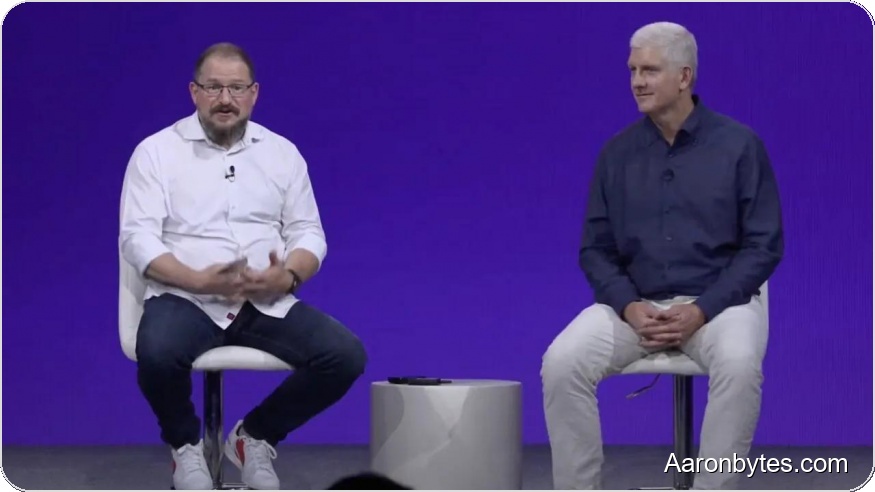
At Qualcomm’s September summit, Rich Osterloh, Google’s head of platforms, confirmed the company plans to bring Android to traditional computers. Qualcomm CEO Christian Amon also tried an early build and called it an incredible achievement, saying he’s eager for the public to get their hands on it.
Those remarks were followed by signs that the effort is moving quickly behind the scenes.
The Aluminium clue: Google’s job posting
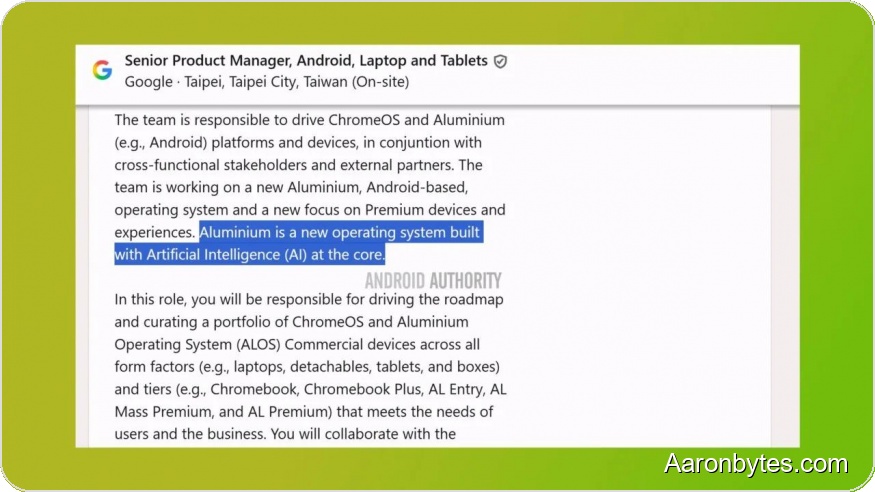
A Google job ad from roughly two months ago sheds new light on the project. The company is hiring a product manager tasked with building a portfolio that spans ChromeOS and a new OS called Aluminium across laptops, detachable hybrids, tablets, and media boxes at multiple price points.
The role explicitly mentions creating a migration strategy from ChromeOS to Aluminium while preserving continuity for users.
What is aluminium supposed to be?
The job listing describes Aluminium as a new operating system based on Android with deeply integrated artificial intelligence at its core. It is intended to run on hardware spanning entry-level, mainstream, and premium markets.
Google is already testing Aluminium on a broad range of processors, including MediaTek Kompanio 520 and Intel Core Alder Lake, suggesting early builds are being validated across both ARM and x86 platforms.
Upgrade path and coexistence with ChromeOS
Google does not appear to be planning a sudden switch that converts every Chromebook overnight. Some devices may be upgradeable to Aluminium, but many others will likely remain on ChromeOS.
Given the heavy Chromebook footprint in education and enterprise, Google will probably maintain ChromeOS for some time while it phases in Aluminium.
Timing and Android version
Based on the available clues, Aluminium — or whatever Google ultimately names it — is expected to be unveiled in the second half of next year. The public release will reportedly be built on Android 17.
That timeline and the explicit mention of Android 17 indicate Google intends to leverage the latest Android foundation rather than shipping a fork with outdated components.
What to watch next
Look for more hiring listings, developer documentation, and early demos from partners like Qualcomm and Intel. Those will reveal whether Aluminium targets touch-first hybrids, traditional clamshell notebooks, or a broad spectrum of form factors from day one.
For organizations that bought into the Chromebook ecosystem, the key questions will be upgradeability and how Google plans to support legacy ChromeOS devices during the transition.