Google appears ready to reveal changes coming in Android 16 as soon as next week. The update is arriving earlier than in past years and promises several practical improvements, some already visible in betas and others still being kept under wraps.
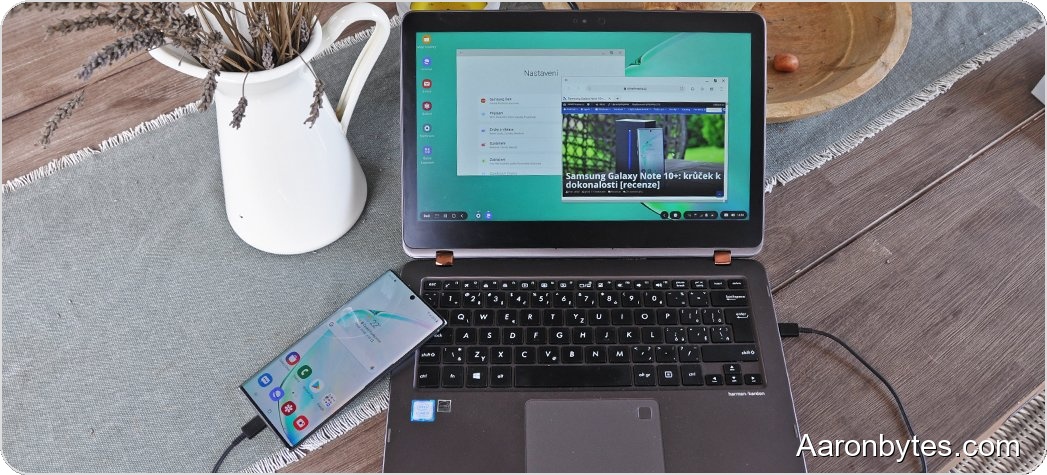
One notable hidden feature is a desktop mode that turns Android into a PC-like environment when connected to an external display. The functionality mirrors options long offered by some device makers and could land in the next Android release or a later fall update.
What does the desktop mode do?
The desktop mode switches the UI to a desktop-style layout after you connect a phone to an external monitor via USB-C. Google’s current implementation includes a taskbar with app icons and navigation buttons, an app drawer that lists all installed apps, and a pull-down shade for notifications and quick toggles.
Apps can run in resizable windows, and multiple apps can be open at once. For supported apps, you can drag and drop content between windows. There’s also the ability to snap two apps to either side of the screen, a behavior Windows users will find familiar.
Where does the feature stand now?
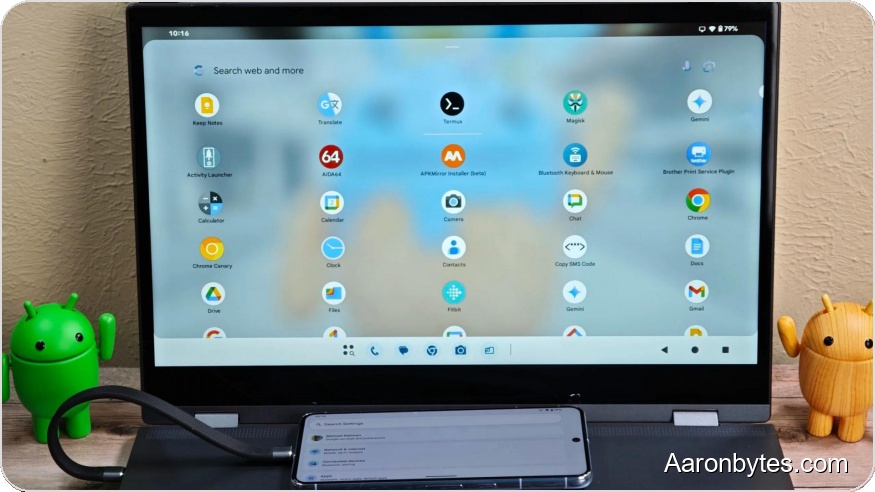
Reporter Mishaal Rahman has been tracking the work and notes that Google is still actively developing the desktop mode, which is not yet ready for prime time. It is not exposed in the normal settings and must be enabled from the developer options menu.
Encouragingly, the desktop mode runs on older hardware as well. Rahman tested it on a two-year-old device and confirmed basic functionality, suggesting Google is targeting a broad compatibility profile rather than restricting it only to the newest phones.
Will it ship with Android 16?
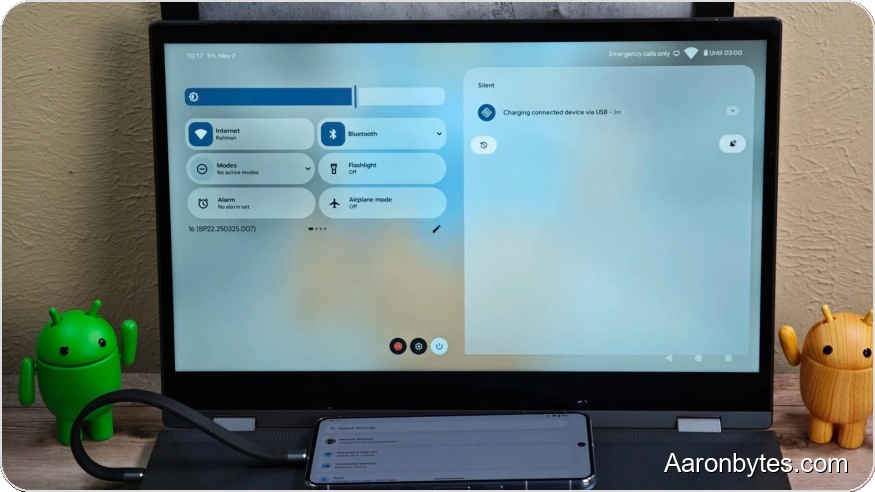
Desktop mode could ship as part of Android 16, but Google might hold it back for a fall update. There’s also a chance the feature will be exclusive to Pixel devices at launch.
Either way, the move is a clear sign Google is doubling down on convergence features that let phones serve as lightweight desktop computers when a larger screen is available.