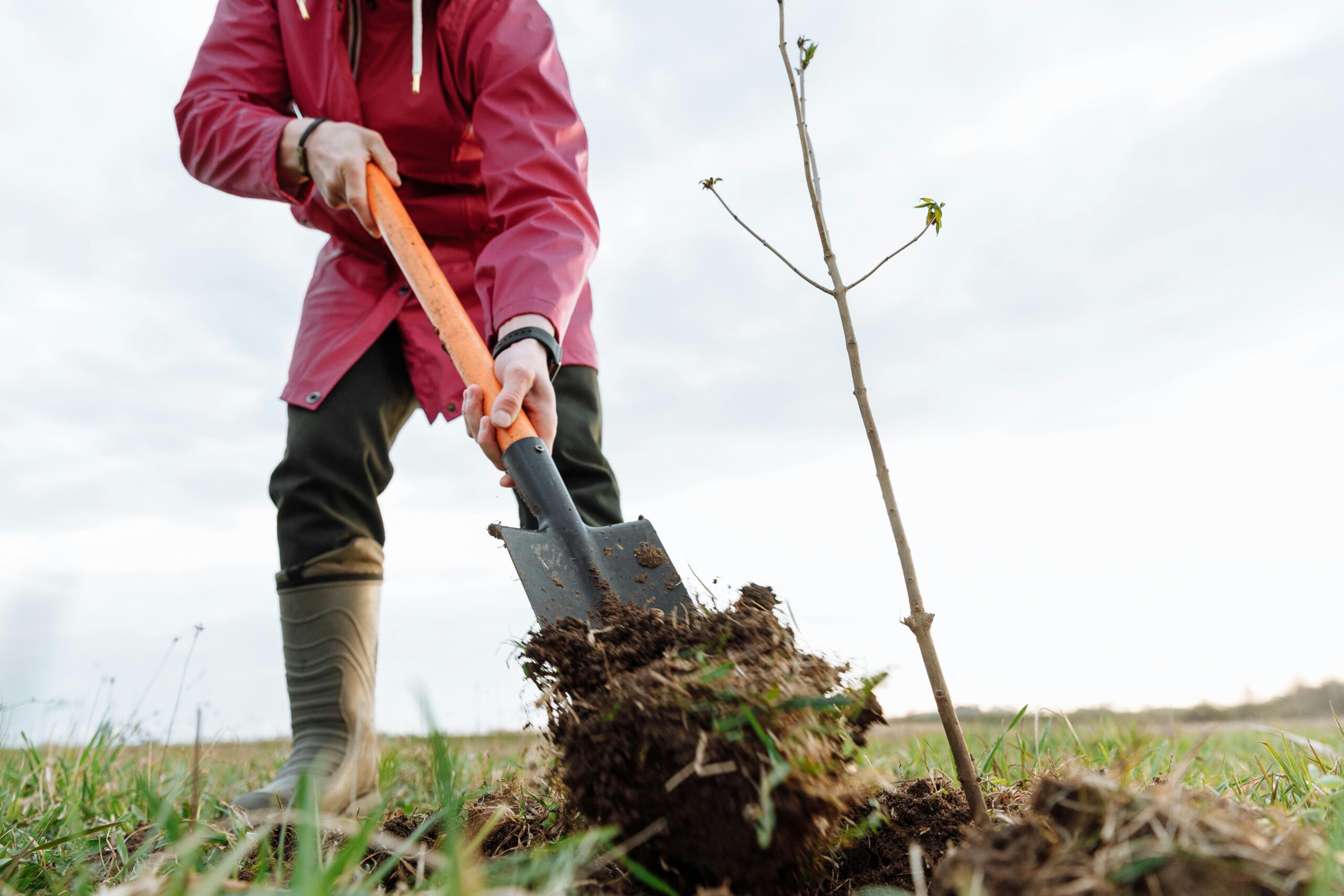
Choosing between a hoe vs shovel isn’t just a minor detail; it’s the difference between a productive afternoon and a week of back pain. If you’ve ever tried to weed a massive garden bed with a heavy spade, you know exactly what I mean.
Each tool has a specific “job description,” and using the wrong one is like trying to eat soup with a fork.
What is the Difference Between a Hoe and a Shovel?
The main difference between a hoe vs shovel comes down to their primary function: shovels are for moving and digging deep, while hoes are for surface-level cultivation and weeding. * Shovels: Designed with a deep, curved blade to scoop soil, gravel, or compost. They are built for vertical force (pushing down with your foot).
-
Hoes: Feature a flat, thin blade at an angle to the handle. They are designed for horizontal movement (pulling or pushing along the soil surface).
If you are breaking new ground or planting a tree, you want a shovel. If you are keeping weeds from stealing nutrients from your lettuce, you need a hoe.
Anatomy of a Garden Shovel
Before we get into the “when,” let’s look at the “what.” A shovel is a powerhouse. It’s built to handle weight and resist bending when you’re prying up rocks or heavy clay.
The Blade (The Business End)
Most shovels have a “pointy” or rounded tip. This shape is intentional. It focuses all your weight onto a single point, making it easier to pierce through tough roots or compacted dirt. According to the University of New Hampshire Extension, keeping this edge sharp is the secret to easy digging.
The Step
That flat ledge at the top of the blade? That’s the step. It’s where you put your boot to drive the tool into the earth. Without a solid step, you’re relying entirely on your arms, which is a fast track to a sore back.
The Handle
You’ll usually see D-handles or long straight handles. Long handles give you more leverage, while D-handles give you better control when you’re tossing dirt into a wheelbarrow.
When to Reach for the Shovel?
Alright, let’s talk real-world scenarios. You don’t just “use” a shovel; you deploy it for heavy-duty tasks. Here is exactly when you should reach for it.
1. Digging Deep Planting Holes
If you’re putting a new shrub or a fruit tree in the ground, the shovel is your best friend. You need to go deep and wide to loosen the soil for the roots. A hoe won’t get you past the first two inches without a fight.
2. Moving Bulk Materials
Got a pile of mulch delivered to your driveway? Use a shovel. Specifically, a square-point shovel or a “scoop” shovel. These are designed to hold a large volume of material so you can move it quickly.
3. Breaking Up Hardened Earth
If your garden soil has been stepped on all winter and is as hard as concrete, a shovel (or a garden spade) is the only thing that will break that surface tension. You need that vertical weight to get through the crust.
4. Edging a Bed
While there are specific “edgers,” a sharp spade or shovel can create a clean, crisp line between your lawn and your mulch. It’s all about that vertical cut.
The Anatomy of a Garden Hoe
Now, let’s flip the script. The hoe is the “scalpel” of the garden world. It isn’t about brute force; it’s about finesse and rhythm.
The Blade Angle
Unlike a shovel, the blade of a hoe is usually perpendicular (or at a sharp angle) to the handle. This allows you to stand upright while the blade works parallel to the ground. This is a huge win for your posture.
The Weight
Hoes are significantly lighter than shovels. You’re meant to flick them, pull them, or push them. If your hoe feels as heavy as a shovel, you’re probably using the wrong type of hoe for your body size.
When to Use a Garden Hoe?
If you try to “dig” with a hoe, you’ll likely snap the handle. But if you use it for these tasks, you’ll feel like a pro.
1. Slicing Through Weeds
This is the “killer app” for the hoe. Tools like the Dutch Hoe or Scuffle Hoe allow you to slice weeds off right at the root collar. You don’t even have to bend over. You just “skate” the blade under the soil surface.
2. Creating Furrows for Seeds
Planning to plant rows of beans or corn? Use the corner of a draw hoe or a pointed “Warren” hoe. You can walk backward and draw a perfectly straight, shallow trench in seconds.
3. Breaking the Soil Crust
After a heavy rain, the sun can bake the top layer of soil into a hard “cap.” This prevents air and water from reaching your plants’ roots. A light pass with a hoe breaks this up without disturbing the deeper root systems of your veggies.
4. Hillside Gardening
If you’re growing potatoes or leeks, you need to “hill” the soil around the base of the plant. A draw hoe is designed specifically for this pulling motion, moving piles of soil exactly where you want them.
Hoe vs Shovel Comparison Table
Not sure which one to grab? Check this quick cheat sheet.
| Task | Tool to Use | Why? |
| Planting a tree | Shovel | Needs deep excavation and soil removal. |
| Removing small weeds | Hoe | Slices roots without disturbing the soil. |
| Moving mulch/compost | Shovel | High volume capacity for “scooping.” |
| Mixing soil in a bed | Shovel | Best for lifting and turning heavy weights. |
| Creating seed rows | Hoe | Precision and speed for shallow trenches. |
| Removing sod/grass | Shovel/Spade | Cuts through thick root mats vertically. |
The Different Types of Hoes You Should Know
Not all hoes are created equal. In fact, using the wrong hoe can be just as frustrating as using a shovel for weeding.
The Draw Hoe (Paddle Hoe)
This is the “classic” hoe. It has a solid rectangular blade. You use it with a chopping and pulling motion. It’s great for moving soil, but it can be a bit heavy for long weeding sessions.
The Dutch Hoe
I love this one. The blade is a loop or a flat plate that you push away from you. Because you’re pushing, you aren’t treading on the soil you just weeded. It’s a game-changer for keeping beds tidy.
The Stirrup Hoe (Scuffle Hoe)
This looks like a stirrup on a saddle. The blade wiggles slightly and is sharp on both sides. You move it back and forth like a vacuum cleaner. It’s arguably the fastest way to clear a large, weed-infested area. For more on tool variations, The Old Farmer’s Almanac has a great breakdown of specialty designs.
The Different Types of Shovels You Should Know
Just like hoes, shovels come in different “flavors” for different tasks.
Round Point Shovel
This is the “all-purpose” tool. If you only own one, this should be it. The pointed tip is perfect for digging into hard ground.
Square Point Shovel
Don’t try to dig a hole in hard clay with this. It’s for scooping. It’s perfect for cleaning up a flat surface, like a sidewalk or the bed of a truck.
Garden Spade
Spades have a flat, square blade and a shorter handle. They are the go-to for “surgical” digging, like transplanting a perennial or cutting a straight edge for a new garden bed.
Common Mistakes
Even experienced gardeners get caught up in bad habits. Here are the big ones to avoid:
-
Using a shovel for surface weeding: You’ll end up bringing buried weed seeds to the surface, making your problem worse. Plus, you’ll be exhausted.
-
Using a hoe to pry rocks: Hoes are joined to the handle with a thin neck (the “gooseneck” or “socket”). If you try to pry a rock, that neck will snap.
-
Ignoring the handle length: If you’re tall and use a short shovel, your back will pay the price. Always “test drive” the tool in the store to ensure you aren’t hunching over.
Expert Tips for Tool Maintenance
If you take care of your tools, they’ll last a lifetime. I’ve seen shovels from the 1950s that still work better than cheap modern ones because they were maintained.
-
Clean them after every use: Soil holds moisture. Moisture causes rust. A quick spray with a hose and a wipe with a rag is all it takes.
-
Oil the blades: At the end of the season, wipe the metal parts with a bit of vegetable oil or linseed oil. This creates a barrier against rust.
-
Sharpen the edges: A dull shovel is a nightmare. Use a metal file to put a fresh edge on your shovel and hoe blades. You aren’t looking for a “kitchen knife” sharp, just enough to slice through roots easily.
-
Sand the handles: If you have wooden handles, sand down any splinters and rub them with linseed oil to keep the wood from drying out and cracking.
Real Talk: Which One Do You Really Need?
If you are just starting your first garden, the truth is that you need both. Think of it this way: the shovel is for the “Birth” of the garden, digging the beds, planting the big stuff, and moving the heavy dirt.
The hoe is for the “Life” of the garden, the weekly maintenance, the weeding, and the grooming that keep everything healthy.
Don’t try to make one do the job of the other. You’ll either break the tool or break your spirit. Grab a solid, long-handled round-point shovel and a simple stirrup hoe. With those two in your shed, you can handle 90% of what a backyard garden will throw at you.