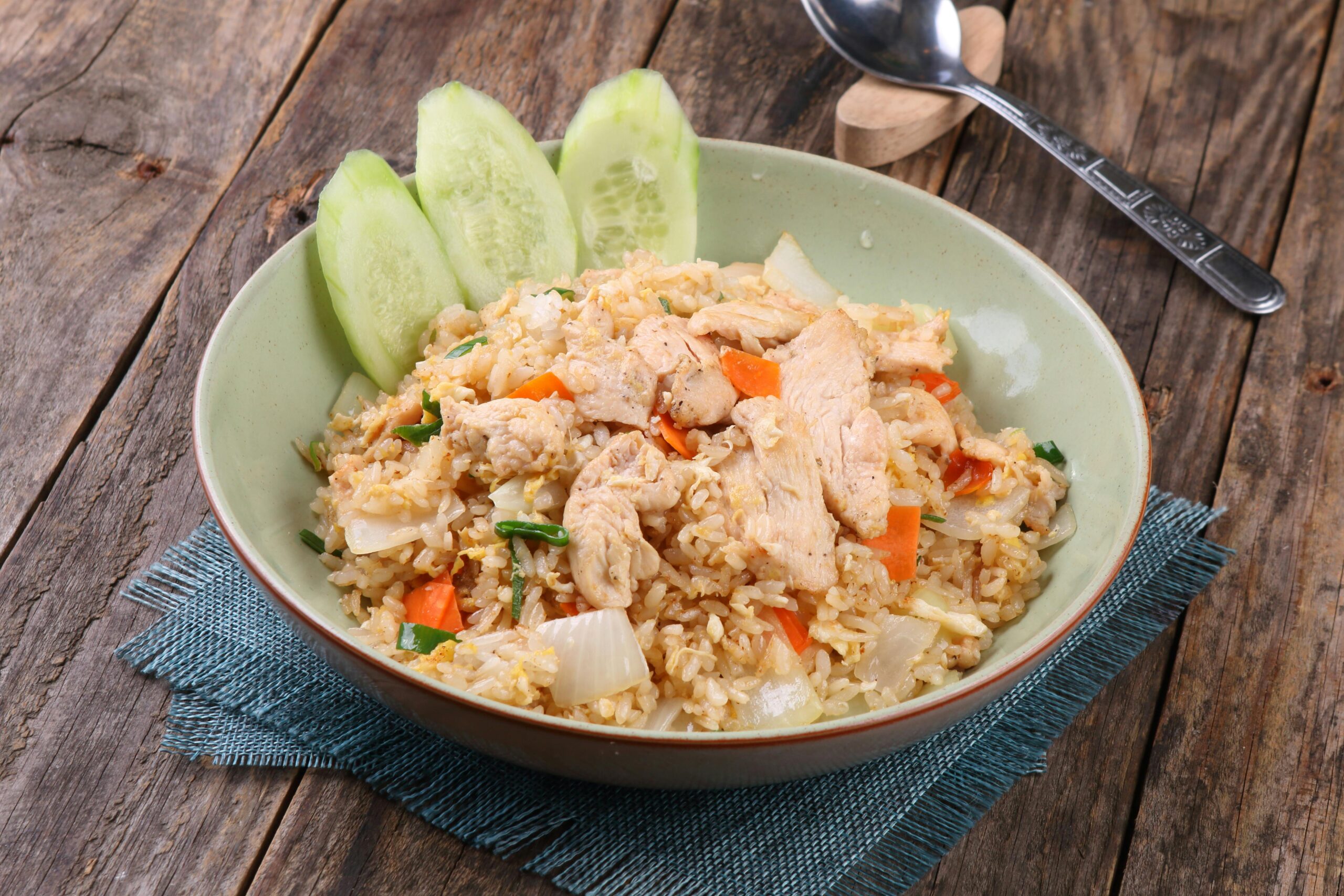
The first time I moved into my college apartment is something I will always remember. I was resolved to prepare dinner using a single saucepan, a wooden spoon, and a package of jasmine rice.
The result was a disaster: a sticky mass that appeared to be glued to my saucepan, a mushy top, and a burned bottom. I learned a crucial lesson from that failure: skill is more important than luck when cooking rice on the stovetop.
I’ve become an expert at making stovetop rice after years of experimenting in my own kitchen and instructing friends who encountered similar circumstances.
Why Learn to Cook Rice Without a Rice Cooker?
According to the Food and Agriculture Organization (FAO), rice is a staple food for over 3.5 billion people worldwide. Yet many modern cooks have become completely dependent on electric appliances. Learning stovetop methods gives you:
- Flexibility during power outages or equipment failure.
- Better control over texture and doneness.
- Space savings in small kitchens.
- Deeper understanding of cooking fundamentals.
- Cost savings if you’re not ready to invest in a rice cooker.
Note: Throughout this article, I’m drawing from both my personal kitchen experiments and guidance from reputable sources like America’s Test Kitchen and the Culinary Institute of America’s foundational techniques.
The Science Behind Perfect Rice
Understanding what happens when rice cooks transforms you from following instructions to truly cooking. Rice grains contain starch granules that absorb water when heated.
At around 180°F (82°C), these granules swell and gelatinize, creating that tender, fluffy texture we want. The key is controlling three variables:
- Water-to-rice ratio.
- Heat intensity.
- Cooking time and resting period.
Method 1: The Classic Absorption Method (My Go-To)
This is the technique I use 90% of the time. It works beautifully for long-grain white rice, jasmine, and basmati.
Step-by-Step Instructions:
What you need:
- 1 cup rice (I typically use jasmine or long-grain white).
- 1.5 cups water (or 1.75 cups for softer rice).
- 1/2 teaspoon salt (optional).
- Medium saucepan with tight-fitting lid.
- Fork for fluffing
Process:
- Rinse the rice: Place rice in a fine-mesh strainer and rinse under cold water for 30-60 seconds. I learned this from my Thai roommate—rinsing removes excess surface starch that causes gumminess. You’ll see the water run milky at first, then clearer.
- Combine and bring to a boil: Put rice, water, and salt in your saucepan. Place over high heat uncovered and bring to a full rolling boil (this takes about 3-4 minutes).
- Reduce and cover: The moment you see vigorous bubbling, reduce the heat to the lowest setting and cover with your lid. This is critical—don’t lift the lid during cooking.
- Cook undisturbed: Set a timer for 15 minutes for white rice. Resist the urge to check.
- Rest off heat: After 15 minutes, remove from heat but keep the lid on. Let it rest for 10 minutes. This step allows the moisture to redistribute evenly.
- Fluff and serve: Remove the lid, fluff gently with a fork, and serve.
Real result from my kitchen: Using this method with jasmine rice consistently gives me separate, fluffy grains with no burnt bottom—perfect alongside curry or stir-fry.
Method 2: The Pasta Method (For Beginners)
This foolproof approach treats rice more like pasta and is nearly impossible to mess up.
Process:
- Bring a large pot of salted water to a boil (about 6-8 cups for 1 cup rice).
- Add rinsed rice and boil uncovered for about 12-15 minutes, stirring occasionally.
- Taste a grain; it should be tender with a slight bite.
- Drain in a fine-mesh strainer.
- Return to the pot, cover, and let steam for 5 minutes.
When I use this: I taught this method to my younger sister when she was nervous about cooking. The excess water prevents burning, and draining removes the guesswork. However, you lose some nutrients in the drained water, and the rice can be slightly less fluffy than the absorption method.
Method 3: The Pilaf Technique (For Flavor)
This restaurant technique adds depth by toasting the rice first.
Process:
- Heat 1 tablespoon butter or oil in your saucepan over medium heat.
- Add rinsed, drained rice and stir constantly for 2-3 minutes until lightly toasted and fragrant.
- Add water or broth (1.5:1 ratio), bring to a boil.
- Reduce to low, cover, and cook for 15 minutes.
- Rest for 10 minutes off the heat.
My experience: I use this method when making rice as a side dish for dinner guests. The toasting adds a subtle nutty flavor that elevates the dish. Just watch carefully during toasting—it can go from golden to burnt quickly.
Rice-to-Water Ratio Comparison Table
| Rice Type | Water Ratio | Cooking Time | Best Method | My Notes |
|---|---|---|---|---|
| Long-grain white (Jasmine, Basmati) | 1:1.5 | 15 min + 10 min rest | Absorption | Most forgiving; my daily choice |
| Medium-grain white | 1:1.75 | 15 min + 10 min rest | Absorption | Slightly stickier; good for rice bowls |
| Short-grain white (Sushi rice) | 1:1.25 | 18 min + 10 min rest | Absorption | Needs rinsing very well |
| Brown rice | 1:2.5 | 40-45 min + 10 min rest | Absorption | Requires patience; nuttier flavor |
| Wild rice | 1:3 | 45-50 min | Pasta method | Not technically rice; chewy texture |
Three Real-World Case Studies
The College Student Emma, a freshman living in her first apartment, only had access to a hot plate and one pot. Using the absorption method with a kitchen towel under the lid (her pot lid wasn’t tight), she successfully made rice three times weekly for her meal prep. Her key learning: measuring water accurately made the biggest difference.
The Power Outage Cook During a winter storm that knocked out power in my neighborhood for two days, I cooked rice on my gas stovetop using the absorption method. Even without precise temperature control, the low-and-slow approach worked perfectly. I actually documented this on my Instagram, and several followers tried it during their own outages with success.
The Flavor Enthusiast My friend Marcus, a home cook who loves experimenting, mastered the pilaf method after watching a cooking show. He now makes flavored rice using chicken stock, saffron, and toasted pine nuts for dinner parties. His testimony: “Once you understand the technique, the flavor variations are endless. I’ll never go back to plain steamed rice.”
Common Mistakes I’ve Made (So You Don’t Have To)
- Lifting the lid during cooking: I did this constantly when learning. Each time you lift the lid, steam escapes and the temperature drops. Trust the process.
- Using too high heat: My burnt rice disasters came from impatience. Low heat is essential once you’ve reduced from the boil.
- Skipping the rest period: Rice straight from the heat is still absorbing moisture. Those 10 minutes off the heat are non-negotiable for even texture.
- Wrong pot size: Using a very large pot for small amounts of rice leads to too much evaporation. Use a pot where the rice covers the bottom with at least an inch of water above it.
- Not rinsing: Unless you specifically want stickier rice (like for sushi), rinsing improves texture dramatically.
Equipment That Actually Matters
You don’t need much, but these items make a difference:
- Heavy-bottomed saucepan: Distributes heat evenly and prevents hot spots. My inexpensive stainless steel pan works great.
- Tight-fitting lid: If your lid is loose, place a clean kitchen towel between the pot and lid to trap steam.
- Fine-mesh strainer: For rinsing rice effectively (I use a $8 one from my local kitchen store).
- Measuring cups: Accuracy matters more than you’d think.
Troubleshooting Guide from My Kitchen Notebook
Problem: Rice is mushy
- Solution: Reduce water by 1/4 cup next time, or reduce cooking time by 2-3 minutes
Problem: Rice is crunchy or undercooked
- Solution: Add 2-3 tablespoons of water, cover, and cook 5 more minutes on low heat
Problem: Bottom is burnt, but top is perfect
- Solution: Your heat was too high after reducing. Use your lowest burner setting.
Problem: Rice is sticky and clumps
- Solution: Rinse more thoroughly before cooking, and make sure to fluff with a fork, not stir
Expert Tips from Years of Practice
After cooking stovetop rice hundreds of times, here are the insights that consistently work:
- Use cold water to start, it gives grains time to absorb moisture as the temperature rises.
- Don’t stir rice during cooking; this releases starch and creates gumminess.
- If making multiple batches, keep the pot lid on between uses to maintain temperature.
- For maximum fluffiness, fluff rice immediately after resting, then let it sit uncovered for 2-3 minutes to release excess moisture.
- Salt in the cooking water enhances flavor more than salt added after cooking.
Beyond Basic White Rice
Once you’ve mastered basic technique, experiment with:
- Brown rice: Same method, but use a 1:2.5 water ratio and cook for 40-45 minutes.
- Adding aromatics: Bay leaf, garlic clove, or a piece of ginger in the cooking water.
- Using broth instead of water: Adds depth for pilafs and side dishes.
- Toasting spices: Cumin seeds or cardamom pods are toasted before adding rice.
According to Cook’s Illustrated (a trusted source I reference frequently), understanding one method well beats knowing five methods poorly.
Final Thoughts
Learning to cook rice without a rice cooker isn’t just about convenience; it’s about building fundamental cooking confidence. That disaster in my college apartment taught me that failure is part of the learning process. Now, I can make perfect rice in any kitchen, anywhere, with minimal equipment.
The absorption method remains my reliable choice for everyday cooking, the pasta method serves as my safety net when teaching others, and the pilaf technique elevates special meals. Each has its place, and knowing all three makes me a more versatile cook.