You have a patch of dirt that appears more like a dirty parking lot or a sticky brick pit than a beautiful garden. It’s annoying, isn’t it? You want those bright tomatoes and big sunflowers, but your soil won’t work with you. Most people think you need to load up a truck with expensive store-bought fertilizers and bags of “premium” topsoil to restore it.
That is a complete lie. You don’t need a lot of money to make an amazing Earth. You need to be patient and have some things that you probably already toss away.
The key is to work with nature instead of attempting to outsmart it with chemicals.
What Exactly Is “Poor” Soil Anyway?
We need to find out what’s really wrong with your dirt. Is it clay that is heavy and traps water like a sponge? When it dries, it becomes a rock. Or is it sandy soil that allows water to flow through it like a sieve?
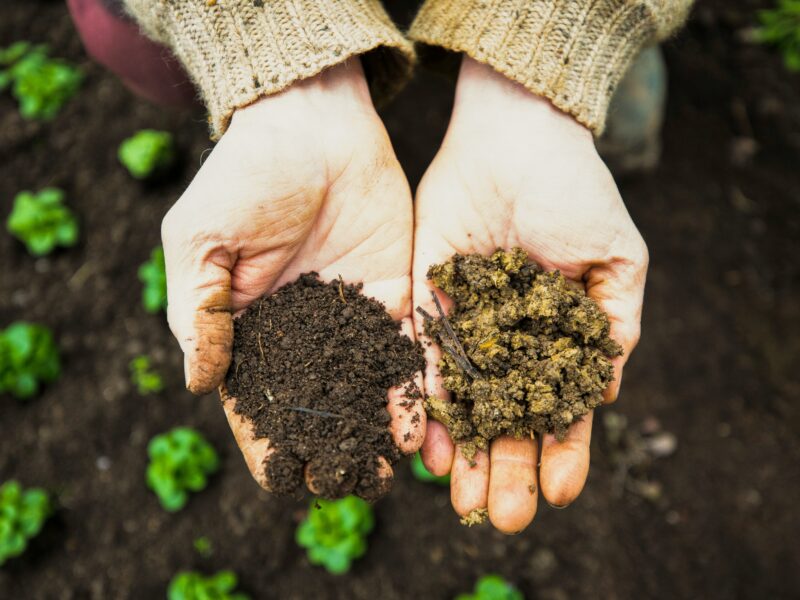
Soil that isn’t good usually doesn’t have three things: structure, nutrients, and life. There are microorganisms, fungi, and worms in healthy soil that perform the hard work for you. When soil is “poor,” it means that it is either sterile or too tight for roots to breathe.
A simple jar test will tell you for free how good your soil is. Put some dirt in a jar with water, shake it up, and watch the layers settle. You can know if you’re dealing with sand, silt, or clay without having to pay for lab tests. The USDA’s reference on soil texture has more information on how to understand the physical makeup of your soil.
How to Improve Poor Garden Soil Without Expensive Products?
If you want a quick remedy, here is the roadmap. To make the soil better for free, you need to:
- Stop tilling or digging to keep the soil structure intact.
- Add “brown” organic matter like fallen leaves and shredded cardboard.
- Add “green” organic matter like grass clippings and kitchen scraps.
- Use cover crops like clover or beans to fix nitrogen naturally.
- Keep the soil covered at all times with mulch to prevent erosion.
- Make “weed tea” to create a liquid fertilizer for zero dollars.
The Magic of Free Organic Matter
The most useful thing in your shed: organic stuff. This is anything that used to be living and is now decaying. It works for every type of soil, no matter what.
Organic stuff makes clay more porous, so air can get in. Sand behaves like a sponge to hold onto water. And the best part? It’s free and omnipresent.
Fallen Leaves are Not Trash
People put their leaves in bags and leave them on the curb every fall. They are literally giving away gold for free. Trees collect minerals from far down and store them in their leaves.
Instead of raking them, use a lawnmower to shred them. Put these “chopped leaves” on top of your garden beds. The worms will have drawn most of them down into the dirt by spring, leaving you with soil that is quite rich.
Grass Clippings: Your Nitrogen Boost
You make good fertilizer every time you cut the grass. Plants grow big and green because grass is full of nitrogen. Just make sure the grass you use hasn’t been sprayed with weed killers.
Put the clippings on top of the soil in thin layers. If you stack them too high, they will smell bad and be slimy. A thin layer is a great, free mulch.
Sheet Mulching: The “Lasagna” Method
Sheet mulching is the easiest way to turn a plot of weeds or grass into a garden without having to dig. It’s like putting a big compost pile right on top of your garden.
- Mow the area as short as you can.
- Cover it with cardboard. Use plain brown boxes with the tape removed. This smothers the weeds and gives the worms a feast.
- Wet the cardboard thoroughly.
- Layer your “ingredients.” Add a layer of green stuff (grass, kitchen scraps) and a layer of brown stuff (leaves, straw, shredded paper).
- Top it off with wood chips or more leaves.
This whole pile turns into the most gorgeous, crumbly dirt you’ve ever seen over the course of a few months. For folks who want to save their backs and their money, it’s a genuine game-changer. Cornell University’s gardening materials say that one of the best strategies to improve soil health is to build organic matter by stacking it.
Why You Should Stop Digging Your Dirt?
It might sound strange, but one of the finest things you can do for your soil is to let it alone. For years, people have advised us to “turn the soil” or rototill it once a year.
That’s really one of the worst things you can do. Mycelium is a complicated network of fungal filaments that lives in soil. When you dig, you break up that network. You also turn weed seeds over so they may sprout.
When you switch to a “no-dig” or “no-till” strategy, you let the natural biology of the soil grow. The worms will do the work of tilling. They make small tunnels that help air and water get to the roots. Just keep adding organic debris to the top.
Turning Kitchen Scraps into Black Gold
You undoubtedly toss away dozens of pounds of soil-building material every month. Coffee grounds, onion skins, eggshells, and banana peels are all good for plants.
You don’t need a nice plastic bin for compost. You may make a little hole in your garden, put the scraps in it, and cover it up. This is what “trench composting” is. The nutrients go right into the soil where your plants can use them.
Coffee Grounds: The Secret Weapon
Most coffee cafes in the area are eager to give away their old grounds for free. Coffee grinds are a good source of nitrogen. They also have a little bit of acid in them, which is great for plants like blueberries and hydrangeas. Sprinkle them on the ground and watch your plants grow.
Eggshells for Calcium
Don’t just throw those shells away. Wash them, dry them, and then grind them into a powder. It takes a while for them to break down, but they provide you with calcium for a long time, which helps stop things like blossom end rot in tomatoes.
Cover Crops: The Lazy Gardener’s Secret
What if you could plant something that would heal your soil while you were away? Cover crops do that. You grow items like clover, winter peas, or rye instead of leaving your soil naked over the winter. This keeps nutrients from washing away.
Clover is really cool since it “fixes” nitrogen. It really pulls nitrogen out of the air and sends it into the ground through its roots. In the spring, you merely cut the clover down and leave it on the ground as mulch. You just fertilized your entire garden for the cost of a little package of seeds.
If you want to learn more about the science behind cover crops, the Royal Horticultural Society has excellent information on which ones function best in different types of soil.
DIY Liquid Fertilizer: Weed Tea
Wait, did I say weeds are useful? Absolutely. Weeds like dandelions and stinging nettles have long taproots that pull minerals from deep in the subsoil.
Instead of just tossing them, put them in a bucket of water, weigh them down with a brick, and let them sit for two weeks. It’s going to smell pretty bad—not gonna lie—but that liquid is a high-powered, nutrient-dense “tea” for your plants. Dilute it until it looks like weak tea and pour it at the base of your vegetables. It’s like a free shot of espresso for your garden.
Improving Heavy Clay Soil for Free
Many growers hate clay soil. It is heavy, sticky, and hard to work with. But clay is actually full of minerals; they are merely “locked up.”
To fix clay without buying expensive gypsum or perlite:
- Never walk on it. This compacts the clay even more. Use permanent paths.
- Add coarse organic matter. Wood chips (which you can often get for free from local arborists) are amazing for clay. As they break down, they create tiny pockets of air.
- Use deep-rooted plants. Plants like daikon radishes (sometimes called “tillage radishes”) act like biological drills. They push through the clay, and when they rot, they leave big holes for water to drain.
Fixing Sandy Soil on a Budget
If your soil is mostly sand, your greatest difficulty is that water and nutrients go away. You need to make “holding power.”
For sandy soil:
- Focus on humus. Humus is the dark, sticky stuff left over when compost is fully broken down. It acts like glue for sand particles.
- Mulch like crazy. Sandy soil gets hot. A thick layer of straw or leaves keeps the ground cool and prevents moisture from evaporating.
- Biochar (The DIY Version). If you have a fire pit, the leftover charcoal (not the chemical-soaked briquettes!) is amazing for sandy soil. It’s like a permanent hotel for microbes. Crush it up and mix it into your beds.
Free Soil Fixes
| Problem | The “Expensive” Way | The Free Way |
| Low Nitrogen | Store-bought 10-10-10 | Grass clippings or clover |
| Poor Drainage | Bags of Perlite | Wood chips or deep-rooted radishes |
| Low Calcium | Cal-Mag supplements | Crushed eggshells |
| Hard Soil | Rototiller rental | Cardboard and worms (No-Dig) |
| Dry Soil | Expensive drip systems | Heavy leaf mulch |
The Long Game: Patience Wins
You can’t restore ten years of bad soil in just twenty-four hours. It takes time to make your garden soil better.
Adding leaves and cardboard for the first time will make a difference. You won’t even be able to tell what your dirt is by the third year. It will be black, crumbly, and full of life. And the best thing is? You didn’t spend a single penny at the big-box store for plants.
You’re turning things that would have gone to the dump, such as cardboard, cooking wastes, leaves, and grass, into life. That’s not simply gardening; it’s like magic.