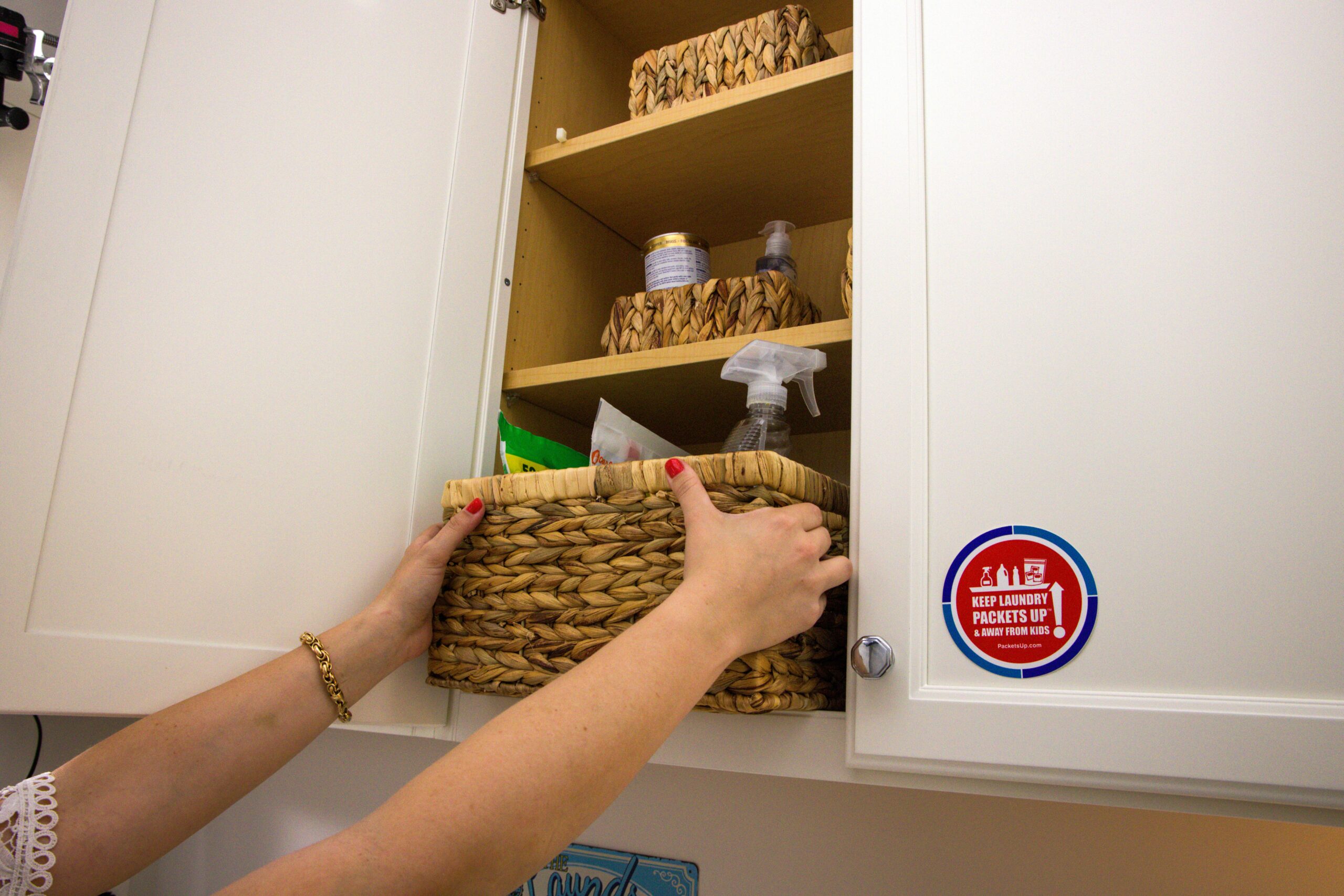
Opening a kitchen cabinet only to face an avalanche of mismatched containers is frustrating. You know that specific spice is in there somewhere, but finding it means moving half the shelf’s contents. This daily struggle wastes time and turns cooking into a chore.
The solution isn’t buying more storage containers or decluttering everything. It’s about creating a system where every item has a designated spot that makes sense for how you actually cook.
Why Cabinet Chaos Happens?
Most kitchens come with fixed shelves that create wasted vertical space. A standard cabinet shelf sits 12-14 inches above the one below it, but your cereal boxes or dinner plates don’t need that much room. This design forces you to stack items, which means the bottom pieces become inaccessible.
Another issue is depth. Standard cabinets extend 24 inches back, and anything pushed to the rear becomes forgotten. That can of coconut milk you bought six months ago is still hiding there.
The Foundation: Empty and Evaluate
Pull everything out of one cabinet at a time. Wipe down the shelves, then group similar items together on your counter. You’ll immediately spot duplicates—three half-empty bags of flour, four bottles of olive oil at different fill levels.
Check expiration dates. That baking powder from 2019 has lost its potency anyway.
Now ask yourself: When did I last use this? If it’s been over six months and isn’t seasonal, it doesn’t deserve prime real estate. Donate unopened items or relocate them to less accessible storage.
Zone Your Cabinets by Function
Assign each cabinet based on its proximity to where you’ll use the contents.
- Near the stove: Oils, spices, cooking utensils, pots, and pans. You’re reaching for these while actively cooking, so they need to be within arm’s length.
- Near the sink: Dish soap, sponges, trash bags, and cleaning supplies. Some people also store everyday dishes here since it’s convenient for unloading the dishwasher.
- Near the fridge: Food storage containers, lunch-packing supplies, and snacks. This creates a natural flow when putting away leftovers.
- Away from work zones: Appliances you use weekly but not daily, like the blender or food processor. Specialty baking supplies and seasonal items can go in upper cabinets or corner spaces.
Maximize Vertical Space
Those tall cabinets are hiding usable space. Add shelf risers to create two levels where there was one. Now your dinner plates sit on the bottom tier, and mugs or small bowls occupy the new upper level.
Stackable shelf inserts work for canned goods and jars. You can see labels at a glance instead of digging through rows.
Under-shelf baskets hang from existing shelves and create bonus storage for lightweight items like sandwich bags or kitchen towels.
For taller items like cereal boxes or pasta containers, adjustable dividers keep them upright and separated. No more cereal box dominoes when you pull one out.
Conquer Deep Cabinets
Lazy Susans transform corner cabinets from black holes into accessible storage. Put oils, vinegars, and condiments on one, and give it a spin to reach what you need.
Pull-out drawers installed in lower cabinets eliminate the need to crouch and reach. One pull brings everything forward. These work exceptionally well for pots, pans, and small appliances.
Tiered organizers angle items so back rows remain visible. This works perfectly for spice jars or canned goods.
Clear bins with handles let you pull out an entire category at once. Label the bin “baking supplies” and slide the whole thing forward when making cookies.
Spice Storage That Actually Works
Storing spices in the cabinet that came with your home means you’ll never find the cumin when you need it. Alphabetical order helps, but only if you can see the labels.
Drawer inserts keep spices flat and visible. Every label faces up, and you spot what you need in seconds.
If you must use a cabinet, tiered spice racks, or stepped organizers, ensure back rows stay visible. Alternatively, magnetic spice jars attach to the inside of cabinet doors.
Decant spices into uniform jars and label the tops. Mismatched containers waste space and create visual chaos.
Lids and Containers: End the Madness
Food storage containers multiply like rabbits, and their lids never seem to match. Store them differently.
Keep containers nested by size in one area. Store all lids together in a separate bin or use a lid organizer that holds them vertically like files. Now you grab the container you need, then select the matching lid from the organizer.
Tension rods positioned vertically inside cabinets create slots for baking sheets, cutting boards, and large pot lids. They stand upright instead of stacking, so you pull out the one you need without disturbing the others.
Pots, Pans, and Bakeware Solutions
Stacking pots and pans damages nonstick coatings and creates noise. Pan organizers with vertical slots let you file pans like records. Pull out the one you want without unstacking.
Adjustable dividers work for different-sized pans and can adapt as your cookware changes.
For lids, mount a rail system on the inside of a cabinet door. Lids slide into slots and stay organized without taking up shelf space.
Bakeware sheet pans, muffin tins, cooling racks—stores best vertically. Use a file organizer or install thin dividers to keep pieces separated and upright.
Small Appliances Strategy
Countertop real estate is valuable. If you’re not using an appliance daily, it shouldn’t live there.
Store appliances you use weekly on lower shelves for easy access. Less frequent items go higher or deeper.
Appliance garages—small cabinets with doors that lift or slide—keep items like toasters or coffee makers accessible but hidden. You pull them forward when needed without hauling them out of a cabinet.
For heavy appliances like stand mixers, consider a lift mechanism or a rolling shelf that brings the appliance up and out when you open the cabinet door.
Door Storage Opportunities
Cabinet doors are unused vertical surfaces. Over-the-door organizers add shallow storage for lightweight items: measuring cups, kitchen scissors, aluminum foil, and plastic wrap.
Adhesive hooks hold pot holders or aprons inside the door where you reach naturally.
Command strips secure small baskets for packets of seasoning mixes or tea bags.
Just remember that adding weight to doors can strain hinges over time. Keep items light.
The Awkward Corner Cabinet
Corner cabinets frustrate everyone. Installing a Lazy Susan helps, but there are other options.
L-shaped pull-out shelves maximize the entire corner space. Both sides pull out independently, giving access to items typically trapped in the back.
If your corner cabinet has a diagonal door, use stackable bins to divide the space into zones. Group items by category and pull out the entire bin to access what you need.
Maintenance Habits That Stick
An organization fails when it’s complicated. Your system should be simple enough that, tired at 9 PM, you can still put dishes away correctly.
Use clear labels on bins and shelves. Even if it seems obvious now, labels keep everyone in your household on the same page.
Implement a “one in, one out” rule for items like spices or canned goods. Bought a new jar of paprika? Finish the old one first or donate it if it’s still good.
Every few months, do a quick audit. Pull out items that migrated to the wrong spots and check expiration dates.
Lighting Changes Everything
You can’t organize what you can’t see. Battery-operated LED strips stick inside cabinets with adhesive backing. They illuminate dark corners and make finding items effortless.
Motion-sensor options turn on when you open the door—no switches to remember.
Puck lights work well in upper cabinets where you need focused light on specific areas.
Budget-Friendly Alternatives
Professional organizers are expensive, and some storage solutions cost as much as the items they hold.
Use shoeboxes or gift boxes covered in contact paper as drawer dividers. Repurpose small baskets from around your home to corral similar items.
Cut cardboard to create custom dividers for baking sheets or cutting boards.
Tension rods cost a few dollars and solve multiple organizational problems.
Empty jars become free storage for bulk goods, snacks, or kitchen tools.
What Not to Store in Cabinets?
Some items create hazards or damage cabinet interiors.
Heavy cast-iron pans stored on weak shelves can cause sagging. Reinforce shelves or store cast iron in lower cabinets or drawers.
Cleaning chemicals shouldn’t share space with food. Designate a cabinet away from food prep areas, preferably with a childproof lock if needed.
Items that leak honey, maple syrup, oils—benefit from being stored on small trays or in bins with raised edges. This contains spills and protects shelf surfaces.
The Real Secret
Perfect organization doesn’t exist. Your kitchen evolves with your cooking habits, family size, and dietary changes.
The goal isn’t magazine-worthy cabinets. It’s creating a system that reduces daily frustration and gives you more time to enjoy cooking instead of hunting for ingredients.
Start with one cabinet. Experience the difference when you can actually find things. That success motivates tackling the next one.