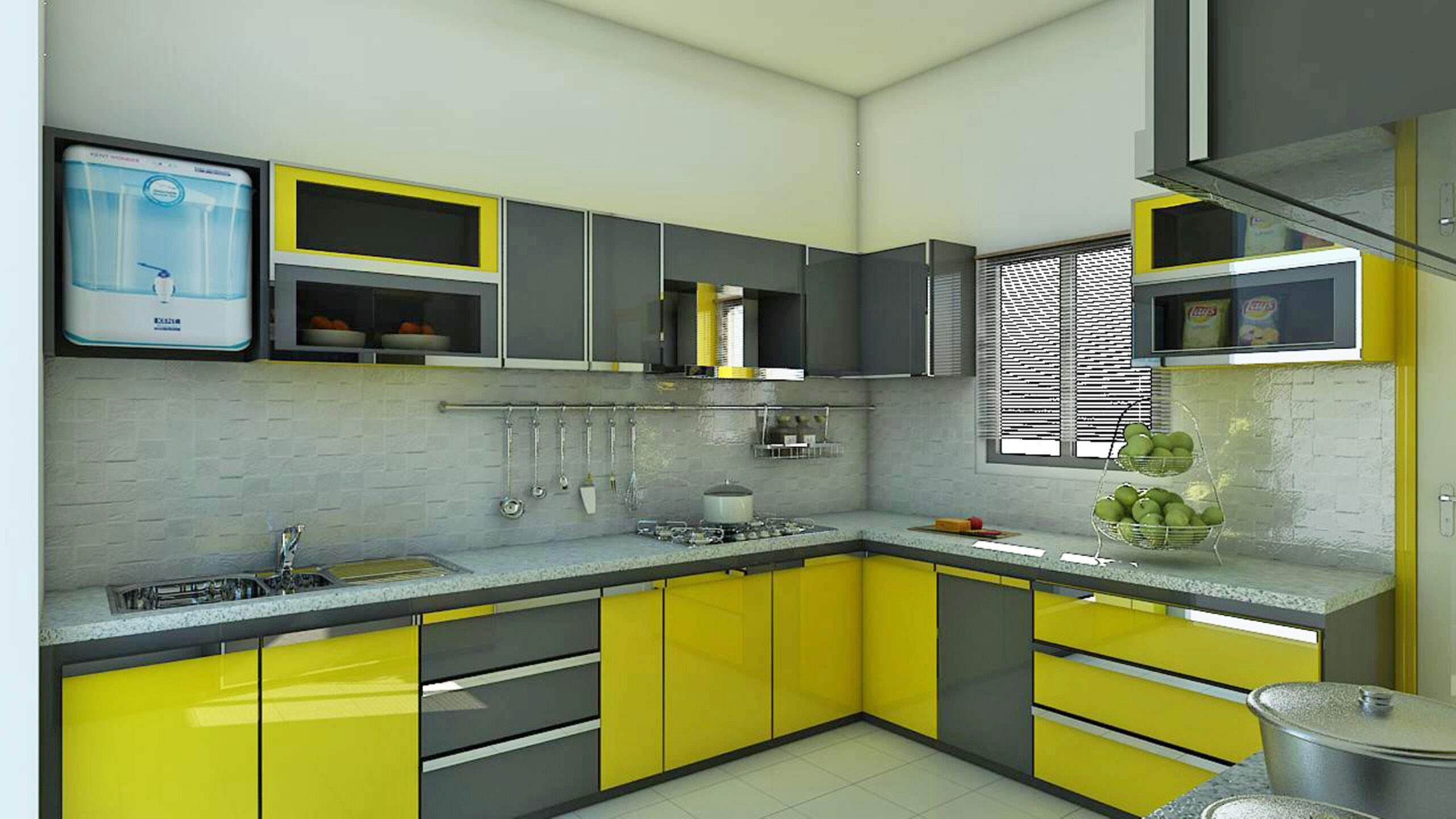
Renovating a kitchen ranks among the most expensive home improvement projects you’ll ever tackle. The average kitchen remodel costs between $25,000 and $50,000, with high-end renovations easily exceeding $100,000.
What makes these numbers even more painful? Many homeowners spend this money making avoidable mistakes that compromise functionality, waste space, and require costly fixes down the line.
I’ve seen countless beautifully designed kitchens that look stunning in photos but fail spectacularly in daily use. The difference between a kitchen that works and one that doesn’t often comes down to planning decisions made before a single cabinet gets installed.
1. Ignoring the Work Triangle
The kitchen work triangle connects your sink, stove, and refrigerator. This concept isn’t outdated design theory—it’s based on how people actually move while cooking.
Each leg of the triangle should measure between 4 and 9 feet. Too close, and you’ll feel cramped. Too far apart, and you’ll exhaust yourself walking back and forth.
Modern kitchens often include additional work zones for baking, coffee stations, or meal prep. These zones need their own thoughtful planning, but the basic triangle still matters for everyday cooking efficiency.
2. Choosing Style Over Function for Storage
Those trendy open shelving units look incredible on Instagram. They’ll look considerably less incredible when covered in dust and grease after three months of actual cooking.
Deep drawers beat standard cabinets for storing pots, pans, and small appliances. Pull-out organizers cost more upfront but transform corner cabinets from black holes into accessible storage. Soft-close hinges aren’t a luxury they prevent cabinet damage and extend hardware life.
Think hard about what you’ll actually store in your kitchen. A wine fridge might seem essential until you realize that space could hold three drawers of cooking equipment you use daily.
3. Inadequate Counter Space
You need more counter space than you think. Standard recommendations suggest at least 158 total inches of countertop frontage, with specific minimums beside your sink, stove, and refrigerator.
The space beside your stove needs at least 12 inches on one side and 15 on the other for safe cooking. Next to your sink, plan for 24 inches on one side and 18 on the other. Your refrigerator needs 15 inches of landing space on the handle side.
These aren’t arbitrary numbers. They represent the minimum space required to prep food, set down hot pans, and unload groceries without turning your kitchen into an obstacle course.
4. Poor Lighting Design
One overhead light fixture won’t cut it, regardless of how expensive or trendy it looks.
Your kitchen needs three types of lighting: ambient (overall illumination), task (focused light for work areas), and accent (decorative or highlighting features). Under-cabinet lighting isn’t optional—it’s essential for safely using knives and other sharp tools.
Install dimmer switches wherever possible. The lighting you need for cooking dinner differs from what you want while entertaining guests or grabbing a midnight snack.
5. Wrong Appliance Placement
Placing your dishwasher across the kitchen from your sink creates unnecessary work. Position it within 36 inches of the sink, ideally on the side closest to your dish storage.
Your refrigerator shouldn’t open into your work triangle. Side-by-side refrigerators often require more clearance than French door models. Measure the door swing and ensure it won’t block traffic or cabinet access.
Range hoods need proper clearance above the cooktop—typically 24 to 30 inches for electric ranges and 27 to 36 inches for gas. Too low, and you’ll bang your head. Too high, and it won’t effectively remove smoke and odors.
6. Insufficient Electrical Outlets
Building codes require outlets every 4 feet along countertops, but code compliance represents the bare minimum, not the ideal.
Think about what you’ll plug in: coffee maker, toaster, stand mixer, blender, phone charger, instant pot, air fryer. Now add the occasional food processor, hand mixer, or electric kettle. That’s easily 10+ items competing for outlet access.
Plan for at least two outlets at every countertop work zone. Include a dedicated circuit for major appliances. USB outlets might seem gimmicky, but they’re genuinely useful in a modern kitchen.
7. Choosing the Wrong Island Size
Kitchen islands need at least 36 inches of clearance on all sides for comfortable movement. In households with multiple cooks, increase that to 42 or 48 inches.
An island that’s too large turns your kitchen into a maze. One that’s too small wastes valuable real estate without providing a useful work surface or storage.
Standard counter height measures 36 inches, but if your island includes seating, you’ll need 42 to 45 inches of height with appropriate bar stools. Make sure overhang depth accommodates comfortable seating typically 12 inches for counter height and 15 inches for bar height.
8. Skimping on Ventilation
That $150 recirculating range hood won’t effectively remove cooking odors, smoke, or grease. It’ll just blow them around your kitchen.
Proper ventilation requires ducted exhaust to the outside. Calculate the required CFM (cubic feet per minute) based on your cooktop’s BTU output. For standard residential cooking, aim for at least 300 to 400 CFM.
Nobody enjoys the noise of a jet engine while cooking. Look for models rated at 3 sones or less for quiet operation.
9. Ignoring Walkway Widths
Main walkways need at least 42 inches of width. Walkways behind seated diners require 44 inches minimum, preferably 48 inches to prevent chair backs from hitting people walking past.
If two cooks will work simultaneously, plan for 48 inches between facing counters or appliances. Anything less creates a bottleneck that’ll frustrate you daily.
Measure your space carefully and map out traffic patterns before finalizing the layout. A beautiful design that forces people to squeeze past each other is a failed design.
10. Wrong Cabinet Depth and Height
Standard base cabinets measure 24 inches deep, but consider 27-inch deep cabinets for extra storage. Upper cabinets typically measure 12 inches deep—any deeper, and you’ll struggle to access items without knocking things off the counter.
Install upper cabinets 18 inches above countertops for a comfortable work space. Going higher wastes potential storage. Going lower risks head-bumping and feels cramped.
Consider ceiling-height cabinets instead of leaving a dust-collecting gap above standard uppers. That extra storage proves invaluable, even if you need a step stool for occasional access.
11. Choosing Impractical Materials
Marble countertops look gorgeous. They also stain, scratch, and require maintenance that most people won’t maintain. Be honest about your lifestyle before selecting materials.
High-gloss cabinet finishes show every fingerprint. Glass cabinet doors require organized contents worth displaying. Intricate tile patterns multiply grout lines that trap dirt and require extra cleaning.
Hardwood floors feel warm and classic, but require careful maintenance in kitchens. Porcelain or luxury vinyl plank offers better moisture resistance and easier upkeep.
12. Insufficient Pantry Storage
Even small kitchens need dedicated pantry space. A well-organized pantry reduces countertop clutter and makes meal planning easier.
Pull-out pantry systems maximize narrow spaces. Corner pantries utilize awkward areas. Door-mounted racks add storage without consuming floor space.
Calculate your pantry needs based on shopping habits. Costco shoppers need different storage than daily market visitors.
13. Forgetting About Garbage and Recycling
Where will your trash and recycling bins live? This unsexy question deserves early planning.
Pull-out bins keep garbage hidden but accessible. Allow adequate cabinet width—most pull-out systems need at least 15 inches, preferably 18 to 24 inches for dual bins.
Position garbage near your prep sink for convenient disposal while cooking. Consider a compost bin if you garden or have municipal composting.
14. Wrong Sink Configuration
Single-bowl sinks provide maximum workspace for washing large pots and sheet pans. Double-bowl sinks offer flexibility for multitasking but often feature bowls too small for practical use.
Undermount sinks simplify countertop cleanup but cost more to install. Farmhouse sinks make a statement, but reduce cabinet storage below.
Your sink matters more than you think—you’ll use it multiple times daily. Choose based on how you actually cook and clean, not magazine photos.
15. Rushing the Planning Process
The biggest mistake costs nothing upfront but everything later: rushing into construction without thorough planning.
Live with your current kitchen and note frustrations. Make a detailed list of storage needs. Consider how you cook, entertain, and move through the space. Mock up the layout with painter’s tape on the floor.
Professional designers charge fees, but they prevent expensive mistakes. A good designer pays for themselves by optimizing layouts, selecting appropriate materials, and coordinating contractors.
Take time to research appliances, visit showrooms, and talk to people who’ve completed renovations. The weeks spent planning prevent years of regret.
Moving Forward
Kitchen design requires balancing aesthetics, functionality, and budget. Every decision involves tradeoffs.
The most successful kitchens prioritize daily function over trendy features. They accommodate how families actually live rather than staging for photo shoots.
Start with solid fundamentals: proper measurements, adequate storage, good lighting, and logical workflow. Add style elements that enhance rather than compromise these basics.