The kitchen is the heart of every home, but it’s also where most household accidents happen. Every year, thousands of people end up in emergency rooms because of preventable kitchen injuries. Whether you’re a seasoned cook or just starting, understanding basic kitchen safety can save you from painful injuries and serious illness.
Understanding Kitchen Hazards
Your kitchen contains three main dangers: sharp objects that can cut you, hot surfaces that cause burns, and invisible bacteria that lead to food poisoning. Each requires different safety measures, but all demand your attention and respect.
Preventing Cuts and Knife Injuries
Choose the Right Knife
A sharp knife is actually safer than a dull one. When your knife is sharp, it cuts through food easily without requiring extra pressure. Dull knives slip off food surfaces and are more likely to cut your hand instead.
Keep at least three knives in your kitchen: a chef’s knife for general cutting, a paring knife for small tasks, and a serrated knife for bread. Each serves a specific purpose and reduces your risk of injury.
Proper Cutting Techniques
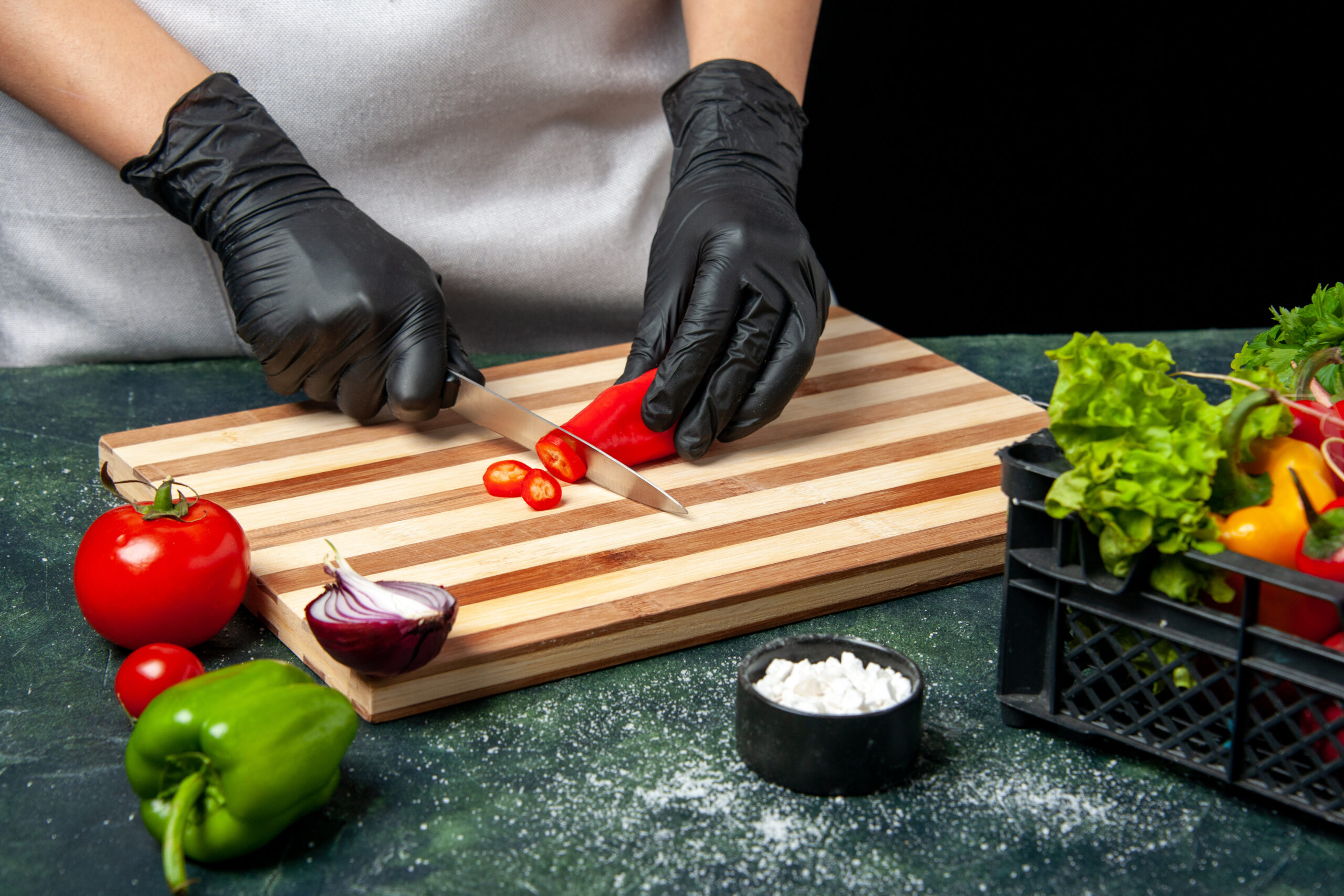
Always cut away from your body, never toward it. This simple rule prevents most serious knife accidents. Hold the knife firmly with your dominant hand and use your other hand to hold the food steady.
Learn the claw grip technique. Curl your fingers inward like a claw when holding food, keeping your fingertips away from the blade’s path. Your knuckles should guide the knife, not your fingertips.
Use a stable cutting board that won’t slide around. Place a damp towel underneath if your board moves. A slipping cutting board is an invitation for disaster.
Safe Knife Storage
Never leave knives loose in a drawer where you might grab the blade by accident. Use a knife block, magnetic strip, or blade guards. When washing knives, keep them separate from other dishes and never leave them hidden in soapy water.
Handling Broken Glass
Glass breaks happen. When they do, don’t use your hands to pick up pieces. Use a broom and dustpan for large pieces, then wipe the area with damp paper towels to catch tiny shards. Broken glass in a sink drain is hazardous, so be extra careful when washing delicate items.
Preventing Burns and Fire Hazards
Stovetop Safety
Turn pot handles toward the back of the stove, not hanging over the edge where you might bump them. This prevents spills and keeps children from pulling hot pots down.
Never leave cooking food unattended, especially when frying or grilling. Most kitchen fires start because someone walked away from the stove.
Keep anything flammable away from burners. This includes dish towels, paper products, wooden utensils, and loose clothing. Roll up long sleeves before cooking.
Oven Safety Rules
Always use dry oven mitts or pot holders. Wet fabric conducts heat and will burn you. Keep your mitts in good condition without holes or thin spots.
Open the oven door slowly and stand back slightly. The rush of hot air can burn your face. When removing items, pull the rack out to avoid reaching deep into the hot oven.
Microwave Safety
Never heat-seal containers in the microwave. Pressure builds up and can cause explosions—Pierce plastic wrap or container lids before heating.
Let the microwaved food stand for the recommended time. Food continues cooking and equalizes in temperature, preventing hot spots that can burn your mouth.
Be extremely careful with liquids heated in the microwave. Water can become superheated without appearing to boil, then explode when disturbed.
Grease Fire Response
Water on a grease fire makes it worse, spreading burning oil everywhere. Instead, turn off the heat source immediately. Slide a lid over the pan to cut off oxygen. Never carry a burning pan.
Keep a fire extinguisher rated for kitchen fires within reach. Know how to use it before you need it.
Steam Burns
Steam burns are as serious as direct heat burns. When lifting lids off pots, tilt them away from you so steam escapes in the opposite direction. Use oven mitts when draining pasta through a colander.
Preventing Food Poisoning
Understanding Food Safety Basics
Bacteria multiply rapidly between 40°F and 140°F, which is called the danger zone. Your job is to keep cold food cold and hot food hot, minimizing time in this temperature range.
Food poisoning symptoms can appear within hours or take days to develop. The very young, elderly, pregnant women, and people with weak immune systems face the highest risks.
Proper Food Storage
Refrigerate perishables within two hours of cooking or one hour if the temperature is above 90°F. Store raw meat on the bottom shelf where it can’t drip onto other foods.
Use airtight containers for leftovers and label them with dates. Most leftovers stay safe for three to four days in the refrigerator.
Keep your refrigerator at 40°F or below and your freezer at 0°F. Use a thermometer to verify temperatures regularly.
Safe Thawing Methods
Never thaw meat on the counter. Bacteria multiply on the outer portions while the inside remains frozen. Thaw in the refrigerator, in cold water changed every 30 minutes, or in the microwave if cooking immediately.
Cross-Contamination Prevention
Use separate cutting boards for raw meat and ready-to-eat foods like vegetables. Color-coded boards make this easier to remember.
Wash your hands with soap and warm water for at least 20 seconds after handling raw meat, eggs, or unwashed produce. This simple act prevents most cross-contamination.
Never reuse plates or utensils that touched raw meat unless you’ve washed them thoroughly with hot, soapy water.
Cooking to Safe Temperatures
Visual cues aren’t reliable for determining if food is safely cooked. Use a food thermometer every time.
Ground meat needs to reach 160°F. Whole poultry requires 165°F. Pork and fish should hit 145°F with a three-minute rest time. Eggs should be cooked until both yolk and white are firm.
Insert the thermometer into the thickest part of the meat, away from bone, fat, or grill marks, for accurate readings.
Handling Eggs Safely
Store eggs in their original carton in the refrigerator, not in the door where temperature fluctuates. Discard cracked or dirty eggs.
Never eat raw cookie dough or cake batter made with raw eggs. If a recipe requires raw or undercooked eggs, use pasteurized eggs instead.
Washing Produce Properly
Rinse all fruits and vegetables under running water, even if you plan to peel them. Bacteria on the outside can transfer to your knife and contaminate the flesh.
Scrub firm produce like melons and cucumbers with a clean brush. Dry produce with a clean cloth or paper towel to remove additional bacteria.
Don’t wash meat or poultry. This spreads bacteria around your sink and doesn’t make the food safer. Cooking at proper temperatures kills bacteria effectively.
General Kitchen Safety Practices
Maintain a Clean Kitchen
Clean spills immediately to prevent slips and falls. Kitchen floors become slippery quickly, especially when wet.
Sanitize countertops and cutting boards regularly with a solution of one tablespoon of bleach per gallon of water. Let it sit for several minutes before rinsing.
Empty your garbage frequently. Full trash bins attract pests and spread bacteria.
Electrical Safety
Keep electrical appliances away from water sources. Never operate them with wet hands or while standing in water.
Unplug small appliances when not in use. This prevents accidents and reduces fire risk.
Check cords regularly for damage. Frayed or cracked cords need immediate replacement.
Child Safety Measures
Keep sharp objects, cleaning supplies, and hot items out of children’s reach. Install safety locks on cabinets containing dangerous items.
Teach children to stay away from the stove while cooking. Establish a “no-play zone” around cooking areas.
Never hold a child while cooking. Hot liquids and steam can cause severe burns.
Pet Safety
Keep pets away from cooking areas. They can trip you while carrying hot items or knock things over.
Store pet food separately from human food to prevent cross-contamination.
Creating Safe Kitchen Habits
Safety becomes second nature when you practice it consistently. Don’t rush through meal preparation. Most accidents happen when we’re hurried or distracted.
Stay focused on the task at hand. Cooking while watching TV or scrolling through your phone increases accident risk dramatically.
Keep your workspace organized. Clutter creates hazards and makes it harder to work safely.
When Accidents Happen?
Despite precautions, accidents can occur. Keep a well-stocked first aid kit in your kitchen with burn gel, bandages, and antibiotic ointment.
For minor burns, run cool water over the area for several minutes. Never use ice directly on burns. Cover with a clean, dry bandage.
For cuts, apply direct pressure with a clean cloth until bleeding stops. Seek medical attention for deep cuts or if bleeding doesn’t stop after ten minutes.
If you suspect food poisoning, stay hydrated and rest. Contact a doctor if symptoms are severe or last more than a day.
Building Your Safety Routine
Kitchen safety doesn’t require expensive equipment or complicated procedures. It demands attention, respect for potential hazards, and consistent good habits.
Start by addressing one area at a time. Master knife safety this week, focus on preventing burns next week, then tackle food storage practices. Small improvements add up to significant risk reduction.
Your kitchen should be a place of creativity and nourishment, not injury and illness. With these safety practices in place, you can cook confidently knowing you’re protecting yourself and your family from preventable harm.