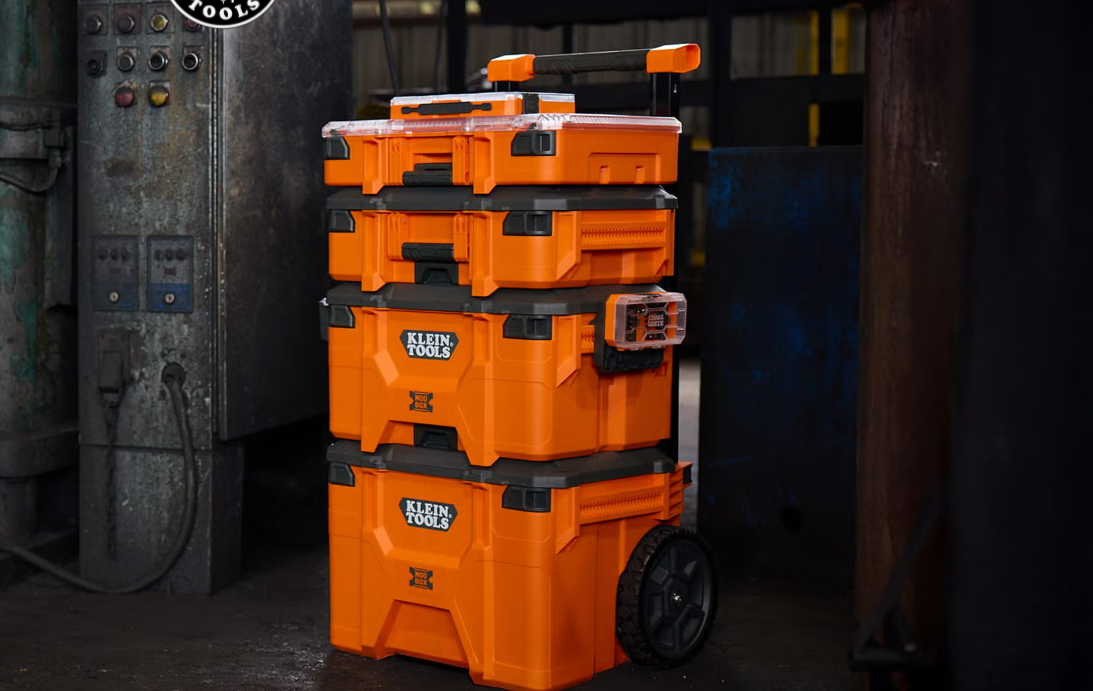
If you’ve ever been to a construction site, you’re familiar with the name Klein. Electricians swear by this brand, which features the distinctive lineman logo. But lately, a strange tendency has emerged in the landscaping world.
More and more professional gardeners are abandoning the fragile plastic products from big-box stores. They’re reaching inside their electrical pouches instead. You might be wondering why I’d use a wire cutter to clip my roses.
What Should You Know About Klein Lawn and Garden Tools? is that these tools aren’t limited to wires and circuits. They are designed for extreme misuse. When you’re out in the soil, dealing with tenacious roots or corroded fence wire, a typical garden tool will frequently snap.
The Klein thing does not snap. It’s made from high-carbon American steel. It’s meant to last for decades, not just a season. Let’s look into why these blue-handled beasts are overtaking the garden shed.
Is Klein Actually Making Specific Gardening Gear?
If you check through their catalog, you will not find a “Klein Grass Rake” or a “Klein Rose Pruner.” They have not moved away from the trading. However, the crossover appeal is huge.
The majority of what we do in the yard involves cutting, prying, and fixing. Klein excels at these three things more than nearly anyone else on Earth. Professionals have recognized that a pair of heavy-duty pliers is frequently a superior “garden” tool than a cheap pair of snips.
The durability issue is the main deal here. Most garden brands employ pressed metal or inexpensive metals. Klein employs custom-tempered steel that can withstand the dirt and dampness of outdoor operations without screaming out for aid.
Top Klein Tools Every Landscaper Needs in Their Kit
You don’t need a full electrician’s belt to repair your backyard. However, there are a few specific pieces of equipment that make yard maintenance seem effortless. These are the tools that “cross the line” between the electrical box and the garden box.
1. The Heavy-Duty Lineman’s Pliers
These are the GOAT (Greatest of All Time) in the tool world. In the garden, they are a game-changer for anyone who works with wire fence or trellises. If you’re training vines up a cattle panel, these pliers will slice through thick-gauge wire like butter.
The high-leverage design prevents you from straining your hand. You receive more power with fewer squeezes. Furthermore, the knurled jaws are ideal for gripping and pulling out tough saplings or dense weeds by the root.
2. Folding Jab Saws for Root Trimming
Most people use these for drywall, but let me tell you a secret. They are incredible for root pruning. If you are digging a hole and hit a 2-inch-thick root that your shovel can’t handle, don’t panic.
The Klein Folding Jab Saw features a triple-ground blade that stays sharp even after hitting some dirt. It folds up safely so you won’t slice your leg while it’s in your pocket. It’s way faster than running back to the garage for a chainsaw.
3. The 11-in-1 Multi-Tool Screwdriver
Lawnmowers, weed whackers, and leaf blowers all appear to have a loose screw. Instead of lugging a large kit, this one tool can handle practically every fastener on your equipment. It has a variety of Phillips, slotted, and nut driver sizes.
It’s tough enough that the pieces won’t strip the first time you strike a corroded bolt. The cushion-grip handle is also useful when your hands are sweaty or covered in garden dirt. It’s pure convenience with one handle.
Why Do Professionals Use Electrician Tools for Gardening?
It sounds backwards. But think about the environment of a professional landscaper. They are dealing with irrigation systems, outdoor lighting, and complex hardscaping.
Many modern gardens are actually “smart” environments. They have sensors, low-voltage lighting, and automated water timers. A standard garden trowel isn’t going to help you fix a short in your LED path lights.
The Durability Gap
Standard garden tools are often treated as “disposable.” You buy them in the spring, they rust in the rain, and you toss them by winter. Klein tools are investments.
The steel is heat-treated to handle extreme torque. You can drop these on a concrete patio or leave them in a damp bucket for a night, and they’ll still perform. That reliability is why the pros make the switch.
Better Ergonomics for Long Days
If you spend four hours pruning or fixing irrigation lines, your hands will feel it. Klein spends a fortune on “Journeyman” handles. These are dual-material grips that absorb vibration and reduce fatigue.
Cheap garden snips usually have thin plastic coatings that blister your palms. Switching to a professional-grade grip is a massive upgrade for your physical health. Your wrists will thank you after a long weekend of yard maintenance.
Are Klein Tools Worth the Premium Price for Homeowners?
A set of Klein pliers could cost three times as much as a generic brand from the local hardware store. Is it worthwhile for the casual gardener?
Suppose you go outside once a year to pluck a single weed, perhaps not. But if you take pride in your landscape, the answer is emphatically yes. It’s the “buy once, cry once” mentality.
You will not replace these tools every two years. You will most likely pass them down to your children. When you consider the tool’s lifespan, the “expensive” choice eventually becomes the cheapest.
How to Maintain Your Klein Tools After Yard Work?
The garden is a harsh mistress for high-carbon steel. Dirt holds moisture, and moisture leads to the enemy: rust. If you want your gear to last a lifetime, you have to show it a little love.
The Clean-Down Ritual
Never put your tools away covered in wet soil. Use a stiff brush to knock off the big clumps. A quick wipe with a rag is usually enough to keep the surface clean.
The Oil Factor
Since these aren’t stainless steel, they need a barrier. A light coat of 3-in-One oil or even a silicone spray works wonders. Just a quick spray on the pivot points of your pliers keeps them moving smoothly.
Sharpening the Edge
If you are using their snips or saws for gardening, the edges will eventually dull. Unlike cheap tools, Klein steel is meant to be sharpened. A simple diamond file can bring a dull blade back to a razor edge in about two minutes.
Klein vs. Traditional Garden Brands: Which Wins?
It’s not a fair fight in most categories. Traditional garden brands like Fiskars or Corona are great for soft green growth. They have their place in the garden for sure.
However, when things get “heavy-duty,” Klein takes the crown. If you are building a retaining wall or installing a fence, garden brands fail. Klein wins on torque, cutting power, and sheer toughness.
| Feature | Standard Garden Tool | Klein Professional Tool |
| Material | Stamped Steel / Plastic | Forged High-Carbon Steel |
| Grip | Thin Vinyl | Cushion-Grip / Journeyman |
| Longevity | 1-3 Seasons | Lifetime |
| Repairability | Usually Disposable | Can be Sharpened/Oiled |
Klein Canvas Buckets: The Secret Garden Hero
One of the most overlooked “tools” is the Klein 50031 Canvas Bucket. It’s built for linemen to haul heavy bolts up utility poles. In the garden, it is the ultimate wedding bucket.
It’s made of heavy-duty No. 6 canvas. It doesn’t crack like plastic buckets do when they get cold. You can fill it with rocks, dirt, or sharp sticks, and it just takes it.
The leather-reinforced bottom means you can drag it across a gravel driveway without wearing a hole in it. It’s also collapsible. You can’t tuck it away in a drawer when you’re done, saving tons of shelf space.
Solving the Low-Voltage Lighting Headache
Outdoor lighting is beautiful, but installing it is a pain. The connectors that come with those “kit” lights are usually garbage. They fail after one winter.
Pros use Klein’s crimping tools and high-quality heat-shrink connectors to build systems that last. If you want your garden to glow year-round without flickering, stop using the “snap-on” connectors. Strip the wires properly and use a real crimper.
The Versatility of the Klein Jab Saw
I mentioned this earlier, but it deserves a deeper dive. Most people buy a “folding saw” from a garden center. Those are great for branches, but the teeth are often too large for fine root work near a foundation.
The jab saw is designed to “punch” through material. This makes it perfect for cutting holes in landscape fabric or weed barriers without tearing the whole sheet. It’s a precision instrument in a world of blunt objects.
Why “Made in the USA” Matters for Your Garden?
A lot of Klein’s core line is still manufactured in the United States. For a gardener, this isn’t just about patriotism; it’s about quality control. When steel is forged in American plants, the “recipe” is consistent.
You aren’t getting “pot metal” that has air bubbles in it. You are getting a solid piece of metal that has been cooled and tempered correctly. In the garden, where you are often applying weird angles of pressure, that consistency stops the tool from shattering.
Better Organization with Klein Tool Bags
If you are tired of losing your trowel in the tall grass, look at Klein’s tool bags. Their canvas bags are iconic for a reason. They stand up on their own and have a wide mouth.
You can throw your pruners, your gloves, your water bottle, and your phone in one spot. The stitching is heavy-duty, so the weight of the tools won’t rip the handles off. It makes moving from the front yard to the back yard much less of a chore.
Is it Overkill? Maybe, but that’s the Point
Some people will say using a professional electrical tool for a garden is Overkill. They might be right. But there is a certain joy in using a tool that actually works.
There is nothing more frustrating than a tool failing right in the middle of a project. When you use gear that is over-engineered for the task, you eliminate that frustration. You get to focus on the plants, not the broken handle in your hand.