Almost no one wants to spend their Saturday morning fumbling with a tangled green hose, but we all want that magazine-cover backyard. If you’re like me, you enjoy the thought of having a beautiful garden more than the work involved in maintaining it.
I created this Lazy Gardener’s Guide to Automatic Watering Systems for precisely that reason. It’s time to let technology handle the labor-intensive tasks for you rather than becoming a slave to your plants.
Why Should You Switch to an Automatic System?
One of the most wasteful uses of your time is watering by hand. The plants are either overwatered or neglected for three days until they resemble crunchy nibbles. Being “lazy” isn’t the only reason to switch to a hands-off setup; managing your resources and your sanity wisely is also important.
The Big Benefits of Going Automatic
- Consistency is Everything: Plants hate surprises. They want a steady drink at the same time every day, not a flood once a week when you remember them.
- Saving Your Hard-Earned Cash: Most people overspend. A focused system puts water exactly where it needs to go—the roots—and nowhere else.
- Freedom to Leave: Want to go on a weekend trip? Go ahead. Your garden won’t be a graveyard when you get back.
I’ve witnessed individuals shell out thousands of dollars for expensive, exotic plants to watch them wither away because they “got busy.” Really? Don’t be like that. Purchasing a good setup is similar to employing a butler for your flowerbeds on a full-time basis.
What Is the Best Automatic Watering System for Beginners?
The sheer volume of alternatives at the hardware shop might be highly overwhelming to someone who is just starting. Timers, hoses, strange plastic parts, and sensors that appear to be from a laboratory are all there. However, if we’re keeping things simple, you really only have to be concerned about three major players.
1. Drip Irrigation
The best “set it and forget it” option is this one. A system of tiny tubes is used in drip irrigation to supply water straight to each plant’s base. It’s very effective, but it’s not very showy. You aren’t squandering water on the sidewalk or the leaves, which can really grow mould.
2. Soaker Hoses
Imagine a soaker hose as a standard garden hose with small pores all over it. Water drips out of the whole length. All you have to do is hook it up to a timer, snake it through your garden, then cover it with a bit of mulch to make it seem nice. It’s inexpensive, simple, and does the job without requiring any intricate arithmetic.
3. Smart Sprinkler Controllers
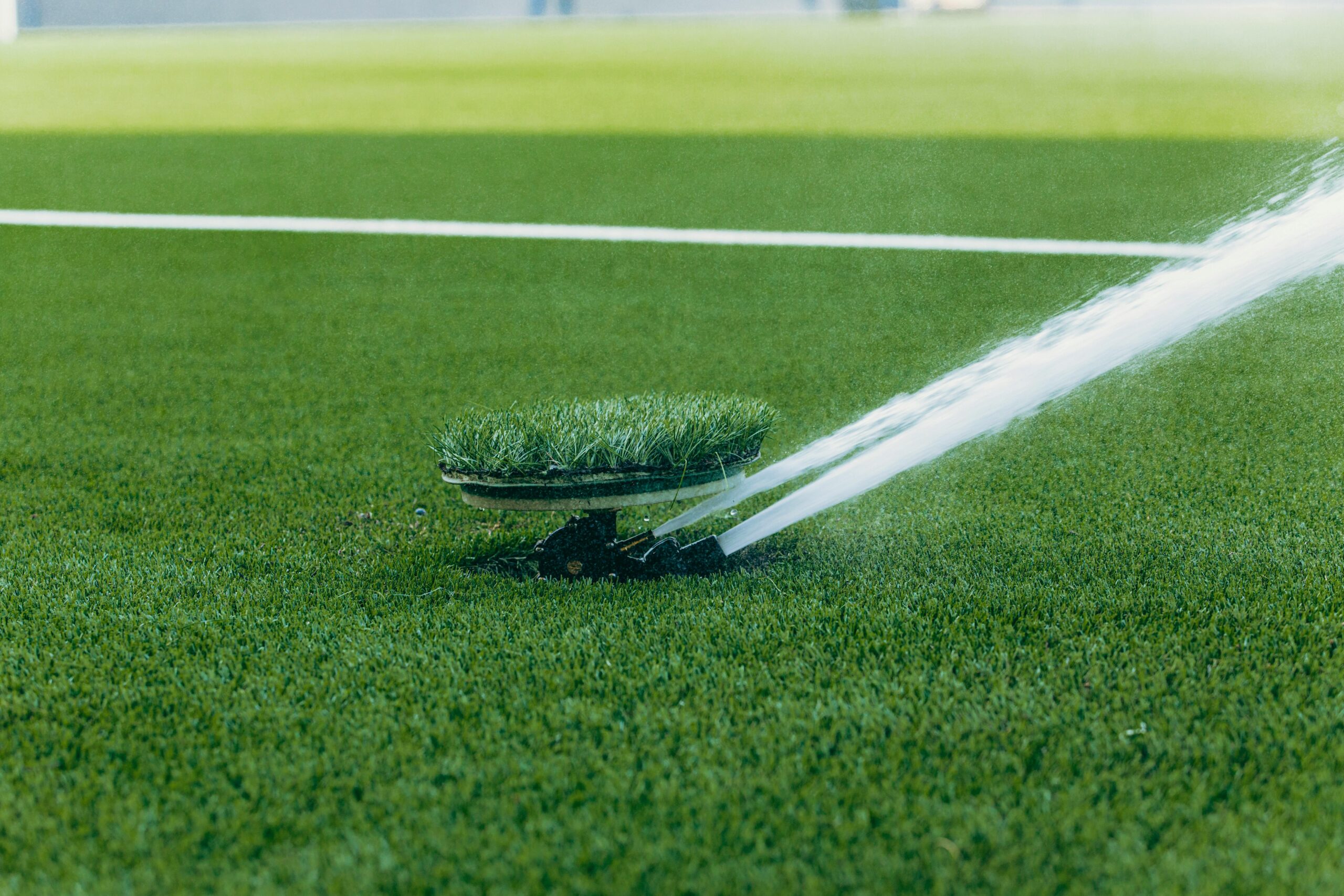
If your existing sprinkler system is “dumb,” you should upgrade. These days, controllers check the weather and connect to your Wi-Fi. The system remains off if it is going to rain this afternoon. When your grass automatically saves water because the internet told it it didn’t need a drink, that’s some serious baller energy.
| System Type | Best For | Ease of Setup | Water Efficiency |
| Drip Irrigation | Vegetable gardens & pots | Medium | Extremely High |
| Soaker Hoses | Flower beds & rows | Very Easy | Medium-High |
| Smart Controllers | Large Lawns | Easy (if retrofitting) | High |
How Do You Set Up a Drip Irrigation System Without Losing Your Mind?
I understand your thoughts. “That looks like a lot of plastic tubes, and I’m not a plumber.” It’s essentially adult Legos. You can get this up and running in an afternoon without a degree.
Step 1: Get a Good Timer
The timer controls your Lazy Gardener’s Guide to Automatic Watering Systems. The really inexpensive mechanical ones that click like a kitchen timer are not the best option. Invest in a digital one that has several “zones.” In this manner, your succulents only receive a fast spritz, but your thirsty tomatoes can enjoy a lengthy sip.
Step 2: Lay Out Your Main Line
Your water’s “highway” is this. Stretch a 1/2-inch poly tubing along the garden bed’s rear. This primary artery feeds everything else. Expert advice: before you begin, let the tubing sit in the sun for 20 minutes. It softens the plastic and makes it much more pliable.
Step 3: Plug in Your Emitters
Here’s where the magic takes place. You insert a “dripper” or a little “spaghetti tube” that goes to your plant through a tiny hole you make in the main line. It’s like popping bubble wrap—satisfying. For more detailed information on how much water each plant needs, see authoritative websites such as the University of California Agriculture and Natural Resources.
Are Smart Soil Sensors Actually Worth the Hype?
Most likely, you’ve seen those tiny probes that connect to your phone when you bury them in the ground. Are they going overboard? Perhaps. Are they fantastic? Of course.
These sensors are your best buddies if you are a truly “lazy” gardener. If the soil is already wet from an unexpected downpour, they advise you to turn off your watering system. It is the distinction between a “fine” garden and one that is “thriving.”
The average household may save about 9,000 gallons of water annually by using smart watering technology, according to the EPA WaterSense programme. That’s a huge win for your water bill, not just a small one.
Common Mistakes That Kill “Lazy” Gardens
If you commit these typical rookie mistakes, not even the greatest Lazy Gardener’s Guide to Automatic Watering Systems will be able to help you. You don’t have to make them all since I have.
Ignoring the Filter
The water outside is unclean. It contains little grit and sand particles. Those little drippers will clog up in a month if you don’t install a $10 filter on your faucet before the irrigation lines. After that, you have to water by hand while attempting to clear the clogs. That is the antithesis of being lazy.
Setting It and Never Checking It
“Automatic” is not synonymous with “invincible.” Occasionally, a tube may pop off or a squirrel may chew a line. Just take a coffee-drinking stroll through your garden once a week. Seek out any enormous puddles or thirsty-looking plants. It saves you a great deal of heartache and takes two minutes.
Watering at the Wrong Time
Avoid watering during the day. Before the water reaches the roots, the sun evaporates it, and the damp leaves may even become “sunburnt.” Put a timer on for five in the morning. Since it is the coldest period of the day, the plants have time to absorb the heat before it becomes unbearable.
Tailoring Your System to Different Plants
Not every plant is made equally. One of your cacti will die if you treat it the same way you do kale. A small amount of preparation goes a long way in this situation.
The Vegetable Patch
Vegetable plants need water. In essence, they are water bags that humans eventually consume. For them to yield fruit that isn’t bitter, they require regular, deep watering. Because they keep the roots moist and the fruit dry, drip lines are ideal in this situation. For detailed instructions on how much water particular vegetables require in the summer, visit the Royal Horticultural Society.
Potted Plants and Hanging Baskets
These are the garden world’s divas. They dry out quite quickly since they are not in the ground. A hanging basket can change from “beautiful” to “dead” in six hours on a hot day. Use the small 1/4-inch tubes to connect each pot to its own dripper. It completely changes the game.
Trees and Shrubs
While established trees do not require water on a daily basis, they do require large amounts of it. My favourite tool for this is “bubblers.” They reach deep into the root ball and release a larger volume of water in a shorter amount of time.
Maintenance: Keeping the Machine Running
Upkeep seems like “work,” and we’re attempting to be lazy. However, you can avoid hours of repairs in the spring by doing a little maintenance in the fall.
- Blow Out the Lines: If you live somewhere where the ground freezes, you have to get the water out of the tubes. If you don’t, the ice will crack the plastic. It’s as simple as unhooking the main line and letting it drain.
- Check the Batteries: Most timers run on AA or 9V batteries. Change them every spring. There is nothing worse than thinking your garden is being watered only to realize the timer died three weeks ago.
- Mulch, Mulch, Mulch: This is the secret weapon of the lazy gardener. Put a thick layer of wood chips or straw over your irrigation lines. It keeps the sun from breaking down the plastic and keeps the moisture in the soil. It basically doubles the efficiency of your watering system.
Is an Automatic System Actually Worth the Money?
Let’s examine the figures. A simple drip kit and a good timer will likely cost between $80 and $150. For “some plastic,” that might sound like a lot, but consider what you’re getting in return.
- Your Time: If you spend 20 minutes a day watering, that’s over 120 hours a year. What is your time worth? Even at $15 an hour, that’s $1,800 worth of your life back.
- Plant Replacement: How many $30 shrubs have you killed? If an automatic system saves just five plants, it has already paid for itself.
- Water Bills: By targeting the roots, you use about 30-50% less water than a traditional sprinkler. Those savings add up every single month.
Whether you can afford not to install a system is more important than whether you can afford to install one. The entrance price is worth it just for the peace of mind.
Final Thoughts for the Relaxed Gardener
Ultimately, gardening ought to be a pastime rather than a task. Regaining your weekends is the goal of using this Lazy Gardener’s Guide to Automatic Watering Systems. Without the backbreaking labour of the old-fashioned methods, you may appreciate the lush grass, eat the fresh tomatoes, and enjoy the flowers.
We have discussed the setup, the technology, and the typical pitfalls. You have the next step. Start simple, perhaps with a few pots on the porch or just one flower area.